Wave of 40 Burglaries Plagues Quiet Southern Moshavim as Residents Demand Action
Southern Israeli moshavim face a massive wave of burglaries, with nearly 40 homes targeted in six months. Residents demand stronger security and police action against rampant rural crime.
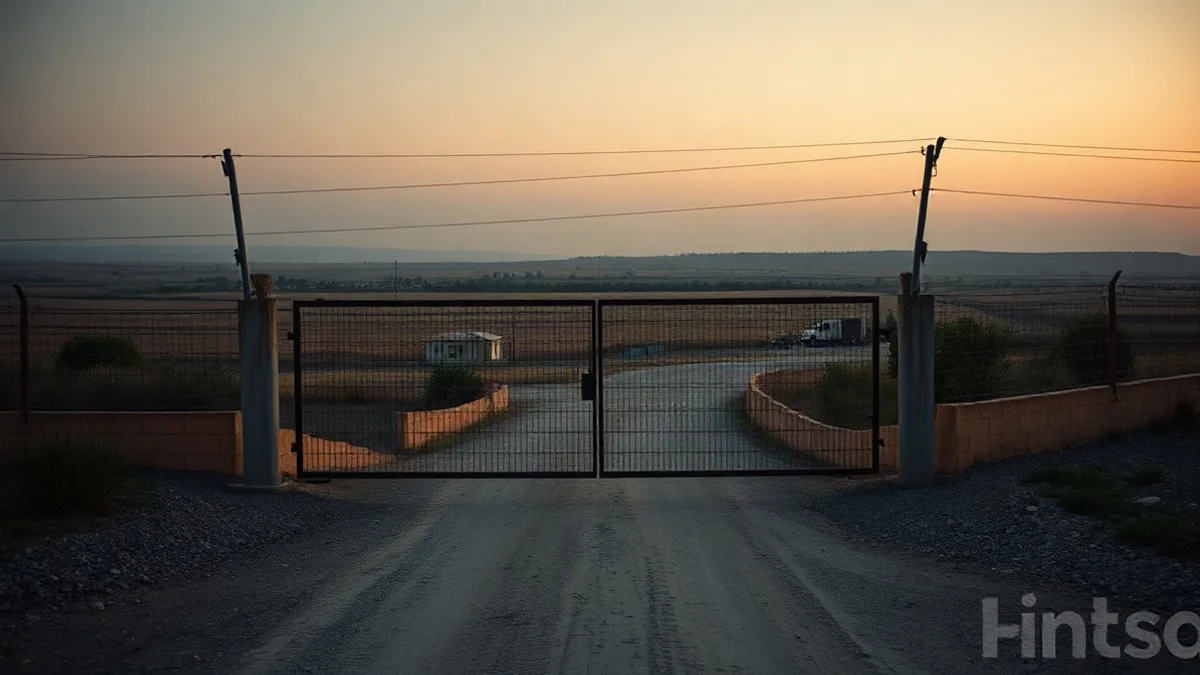
Residents of the moshavim in southern Israel—specifically Brosh, Tidhar, and Tlamim—are facing an unprecedented wave of burglaries, with nearly 40 homes targeted in less than six months. The once-peaceful agricultural communities have become prime targets for organized burglary rings, leaving locals grappling with a severe lack of personal security. Footage obtained by the press shows masked intruders operating both under the cover of night and in broad daylight. In one incident, burglars broke into a home in Tlamim at 1:30 AM, searching specifically for the personal weapon of the homeowner, a military reservist who fought in Gaza, Lebanon, and Syria. Although they failed to locate the firearm, they stole combat gear, valuables, and jewelry.
Bold Daylight Heists and Targeted Thefts
The audacity of the criminals has shocked the local community. In another daytime break-in at 10:00 AM while family members were at work, thieves managed to extract a handgun from a safe hidden inside a bedroom closet and secured to the wall. Another home in the moshav, which has been burglarized three times, was targeted by masked men who bypassed security cameras and alarms to steal military equipment, tefillin, and an ultrasound device valued at approximately 50,000 shekels. In addition to residential break-ins, criminals have targeted houses under construction to steal expensive tools, and in one instance, a vehicle rammed the moshav's security gate before the driver fled.
Security Concerns and Official Response
Matan Ben Amo, the local security coordinator, pointed to the expansive open areas surrounding the moshavim as a primary vulnerability, noting that some residents have resorted to sleeping in unfinished homes out of fear of extortion and protection rackets. Community leaders attribute the surge in crime to insufficient deterrence and lenient sentencing, demanding stronger enforcement and increased security reinforcement.
In response to the growing crisis, the Israel Police stated that southern district officers and Border Police fighters are waging a continuous, uncompromising struggle against rural crime. Authorities reported a 14 percent decrease in property and agricultural crimes and a 17 percent drop in vehicle thefts, alongside a 29 percent increase in indictments filed for property offenses. Nevertheless, local residents insist that current measures fall short against the sheer scale of the phenomenon and are calling on the government and law enforcement to restore governance and security to the southern region.