Somaliland Questions Future of Ties with Israel Amid Government Transition
Somaliland faces a new diplomatic test as Gadi Eisenkot attempts to form Israel's next government, raising strategic questions about the future of bilateral ties established under Prime Minister Benjamin Netanyahu in late 2025.
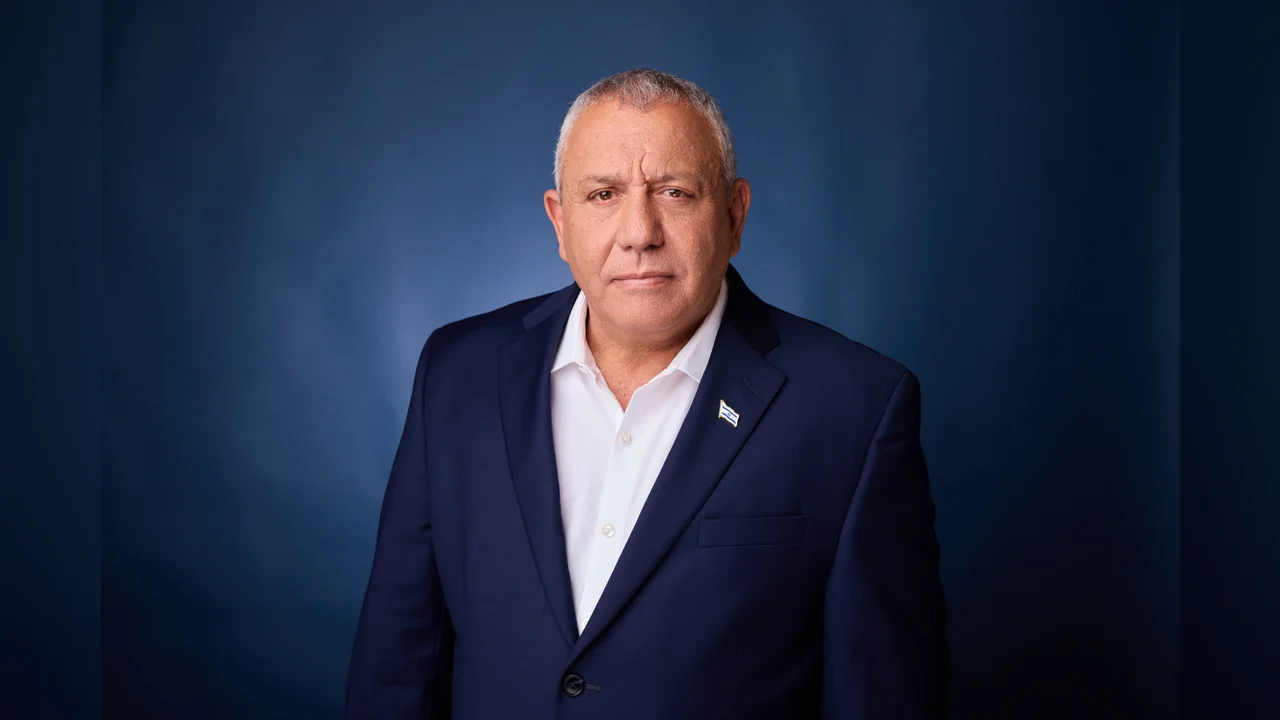
The political turmoil in Israel is resonating across the Horn of Africa, raising strategic questions in Hargeisa. Less than 11 months after Israel's historic diplomatic recognition of Somaliland, the efforts of MK Gadi Eisenkot to form the next government have sparked deep concern and strategic reflection in Somaliland: Will the nascent alliance survive the potential end of Benjamin Netanyahu's tenure, and will it successfully mature into a long-term strategic partnership?
Israel's recognition of Somaliland, announced on December 26, 2025, alongside a joint declaration establishing full diplomatic ties, marked a dramatic breakthrough. It ended decades of international diplomatic isolation for Somaliland's sovereignty. Prime Minister Benjamin Netanyahu and Foreign Minister Gideon Saar played pivotal roles in advancing the move, which was hailed as a launchpad for cooperation in agriculture, technology, health, economy, and security. However, following the Israeli elections and the mandate granted to Gadi Eisenkot, Somaliland faces a new diplomatic test.
Strategic Imperatives Over Politics
Leaders in Hargeisa understand the risks of relying on a single political figure. Although the recognition was achieved under Netanyahu, officials emphasize that Israel should not be conflated solely with the outgoing prime minister, just as Israel should not view Somaliland as the project of a single administration. The decision to establish ties was a sovereign act of the State of Israel, and the incoming government will inherit this diplomatic reality alongside the security interests that drove it.
Somaliland's core argument for sustaining the alliance is geographic and strategic rather than strictly political. The Gulf of Aden and the Bab el-Mandeb Strait constitute one of the world's most vital shipping lanes, connecting the Indian Ocean to the Red Sea and the Suez Canal. Amid threats to commercial maritime freedom, regional instability, and activities by Iranian proxies, safeguarding maritime security is a paramount economic and security interest for Israel.
Institutionalizing Bilateral Ties
Hargeisa recognizes that Gadi Eisenkot's military background and the potential priorities of a new coalition could lead to a reassessment of foreign policy, particularly regarding African nations and regional partners. Without a coalition agreement explicitly defining policy toward Somaliland, Hargeisa's immediate challenge is to transition bilateral relations from declarative statements to institutional and practical cooperation.
Diplomatic efforts are already underway. In September 2026, Somaliland President Abdirahman Mohamed Abdullahi met with Israel's UN Ambassador Danny Danon to discuss maritime security, regional stability, and economic cooperation. Ultimately, Israel's recognition proved that an independent state is willing to maintain official ties with Somaliland despite Mogadishu's fierce opposition and the hesitation of the African Union. The true test now is whether the alliance with Somaliland will mature into a permanent strategic asset capable of weathering democratic transitions and Israeli political shifts.