Should You Leave Your Shoes at the Door? The Health and Practical Facts
Should you leave your shoes at the door? Experts weigh in on how removing footwear indoors reduces dirt, bacteria, and pollutants while balancing natural hygiene.
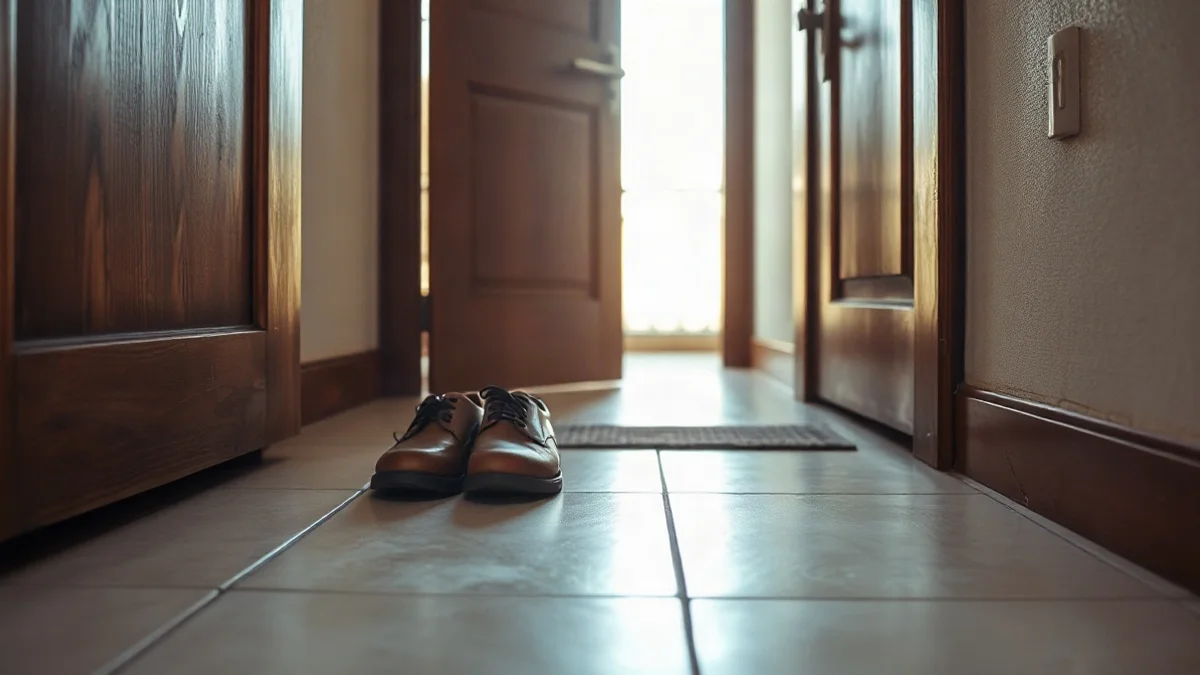
Leaving your shoes at the entrance is a simple, effective habit that significantly cuts down on the dirt, dust, and environmental pollutants tracked indoors every day. Throughout the daily routine, footwear comes into contact with sidewalks, public restrooms, public transportation, streets, and parks, picking up various residues along the way.
According to Dr. Dana Florentin, a family medicine specialist at Clalit Health Services in the Dan-Petah Tikva district, stepping indoors with shoes does not automatically mean falling ill. However, removing them at the doorway remains an effortless way to reduce the volume of outside materials reaching household floors, carpets, and dust.
What Lies Beneath Shoe Soles?
Studies examining footwear soles have identified a wide array of bacteria, including strains of medical significance. At the same time, the mere presence of these microorganisms on a shoe does not necessarily translate into a tangible health hazard. Shoes also accumulate road dust, soot, pesticide residues, heavy metals, and other environmental particles that can gradually build up inside residential spaces.
This concern becomes especially pertinent in households with infants and toddlers. Small children crawl on the floor, touch various surfaces, and frequently put their hands and objects into their mouths. Minimizing the influx of outdoor grime proves particularly meaningful for protecting their immediate environment.
Balancing Cleanliness and the Hygiene Hypothesis
Despite the clear benefits of keeping floors clean, experts emphasize that a home does not need to be transformed into a sterile laboratory. Contemporary research highlights that exposure to a diverse range of environmental microorganisms is a natural and healthy part of immune system development.
"The hygiene hypothesis suggests that overly limited exposure to microorganisms during childhood may be linked to an increased risk of allergic diseases," notes Dr. Florentin.
Consequently, the goal is not to eradicate every germ or relentlessly sanitize every surface, but rather to maintain reasonable cleanliness and cut down on unnecessary exposures.
Beyond hygiene, shedding outdoor shoes offers a distinct practical advantage: less mud, sand, and dust on the flooring translates into less intensive cleaning and fewer harsh chemical products needed. For many people, transitioning into comfortable slippers or socks also serves as a mental boundary, marking the shift from the bustling public sphere to the relaxed sanctuary of home.