New Diamond Exchange President Shai Schnitzer Aims to Revive Sector
Shai Schnitzer has been elected president of the Israel Diamond Exchange, stepping in as the industry faces historic export lows, increased competition from lab-grown stones, and regulatory challenges.
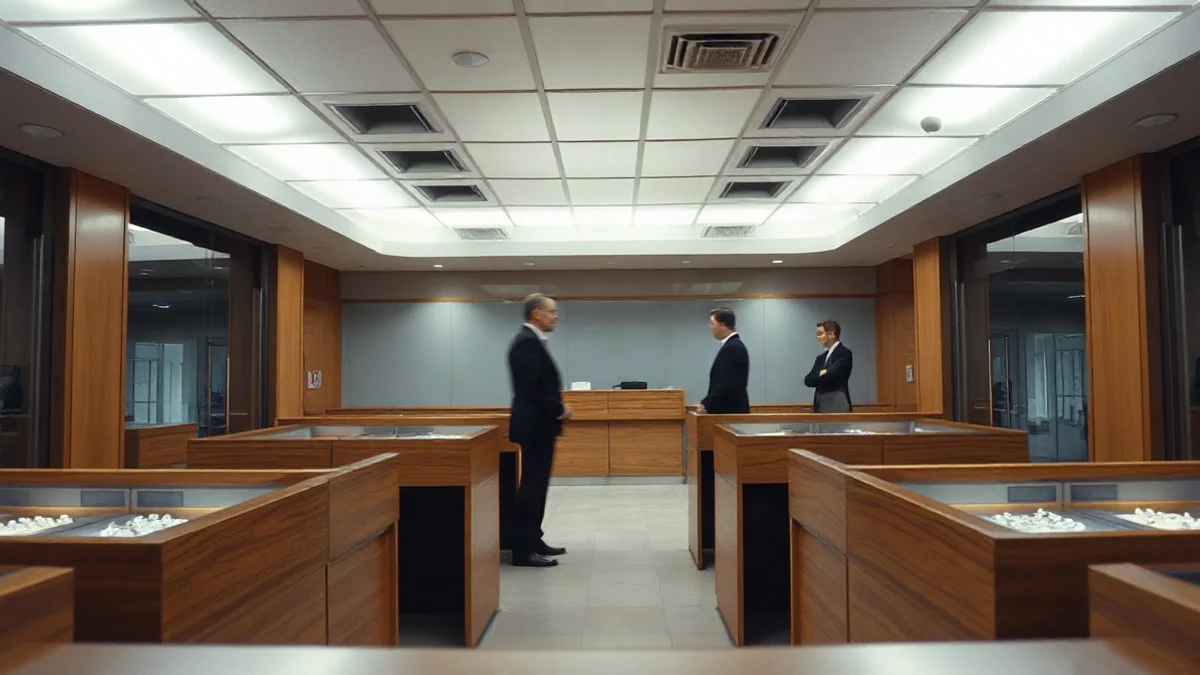
Shai Schnitzer, a 47-year-old resident of Kfar Shmaryahu, has been elected as the new president of the Israel Diamond Exchange, closing a multi-generational family circle. His late grandfather, Moshe Schnitzer, was among the founders and presidents of the exchange, while his father, Shmuel Schnitzer, served as president until 2015 and currently acts as honorary president. Schnitzer replaces outgoing president Nissim Zuaretz, taking the helm at a critical juncture marked by a historic slump in diamond exports.
Navigating Historic Lows and Market Shifts
The Israeli diamond industry faces severe headwinds, with cumulative exports from January to June dropping to 2.4 billion dollars, representing a fraction of the 7 billion dollars recorded during peak years in 2015. Total trade volume has plunged to approximately 4 billion dollars compared to 12 billion dollars a decade ago. According to Diamond Controller Natalie Gutman, the sector is grappling with unprecedented challenges, including global market downturns, the rise of Dubai as a competing trade hub due to favorable tax policies, and the rapid market penetration of significantly cheaper lab-grown diamonds.
Schnitzer emphasized that lab-grown alternatives have captured double-digit market share, but insisted that the exchange will maintain its strict policy against trading synthetic stones on its premises in Ramat Gan. "The approach of the exchange and myself does not allow the trade of lab-grown diamonds on our grounds. It is neither the same product nor the same market," Schnitzer stated, pointing out that luxury houses like Tiffany, Cartier, and Louis Vuitton exclusively market natural diamonds. He noted that a coordinated international effort is underway to highlight the ancient origins and unique value proposition of natural stones.
Strategic Priorities and Tax Agreements
Looking ahead, Schnitzer outlined an ambitious agenda to revitalize the domestic center and restore its leading global status. His primary legislative goal is to eliminate the 12.5 percent US tariff on Israeli diamond exports, noting that the American market accounts for 60 percent of local outbound shipments. Additionally, a newly signed tax agreement between the diamond exchange and the Israel Tax Authority for 2027-2028 is expected to improve competitiveness against global hubs like Dubai, India, and Belgium by taxing diamond professionals based on a percentage of their sales turnover rather than historical inventory costs.
Addressing the public image of the sector, Schnitzer vowed to foster greater transparency and cooperation with the media to counter outdated perceptions. He underscored that the industry is heavily regulated and fully compliant with tax authorities, reflecting a diverse workforce comprising secular, ultra-Orthodox, and multi-national professionals working together within the Ramat Gan exchange complex.