Shin Bet Head Warns of Emerging Terror Threats in the Negev
Shin Bet head David Zini warned the security cabinet of emerging terror cells and Hamas ties in the Negev. Prime Minister Netanyahu ordered heightened security enforcement.
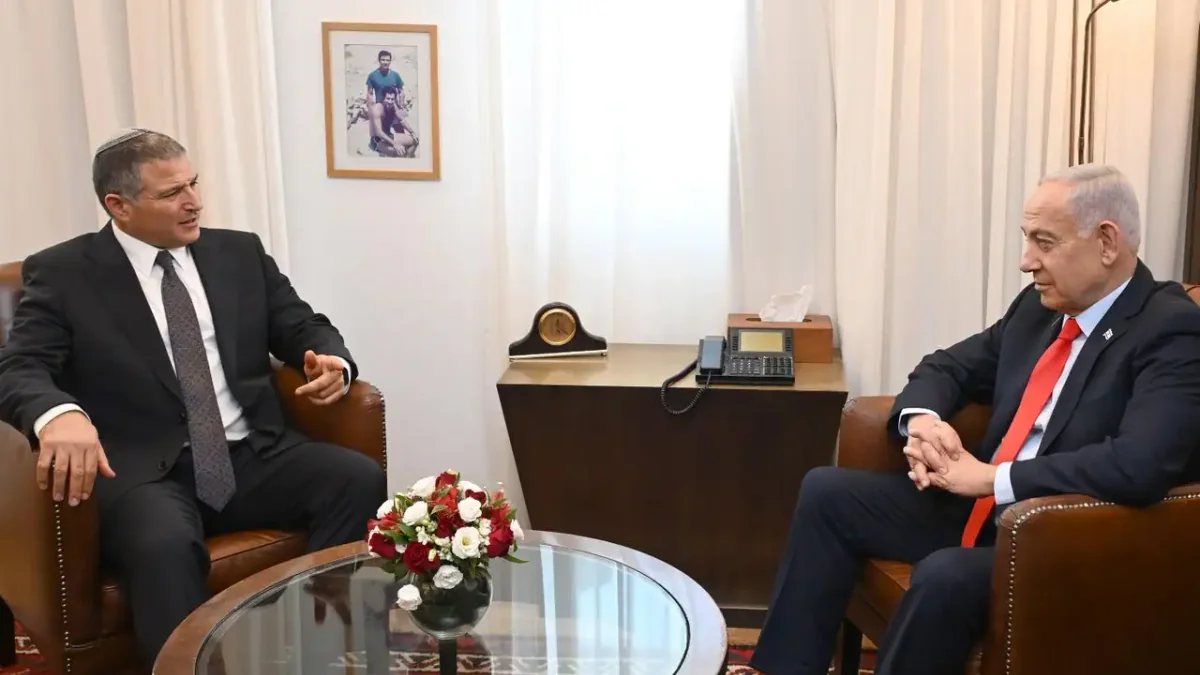
The head of the Shin Bet, David Zini, presented a severe and unusual warning during a recent security cabinet meeting regarding developments in the Negev and the Bedouin diaspora.
According to the security agency, indications of military-style organizations and attempts to establish armed "terror battalions" in the Negev have been detected. Zini noted a growing connection to organizations such as Hamas, exacerbated by family ties between Negev residents and women from the Gaza Strip, Judea and Samaria.
Following these warnings and subsequent debates among law enforcement agencies, the Shin Bet revealed operations involving the arrest of local cells planning terror attacks.
In response to the security reports, Prime Minister Benjamin Netanyahu instructed all security branches, including the Shin Bet, IDF, and police, to significantly increase presence and enforcement in the south. The directive mandates treating the Negev diaspora through a security and counter-terrorism lens rather than viewing it solely as civil crime.
These announcements triggered demands from southern municipal leaders, such as Dimona Mayor Beni Biton, for urgent meetings with the prime minister and security chiefs to formulate an emergency joint response.
Simultaneously, media analyses and opinion pieces have highlighted the dangers of lost governance and militia formation in the Negev. Observers noted that vast quantities of weapons—acquired through border smuggling and raids on IDF bases—combined with a lack of official governance and external ideological influence, turn extremist elements into a threat comparable to terrorist organizations like Hamas.
Conversely, Bedouin leaders and southern municipal heads presented a complex picture, emphasizing that the overwhelming majority of the Bedouin public desires law and order, and similarly suffers from violence and criminal organizations. While supporting robust security actions against terror cells and severe crime, leaders urged against stigmatizing an entire sector, calling instead for targeted law enforcement alongside infrastructure and employment development.
Experts stress that purely forceful solutions are insufficient given that Bedouin citizens are part of the state. The ultimate solution requires comprehensive integration, improving living conditions, infrastructure, education, and employment to prevent youth dropouts from falling into crime and extremist networks.