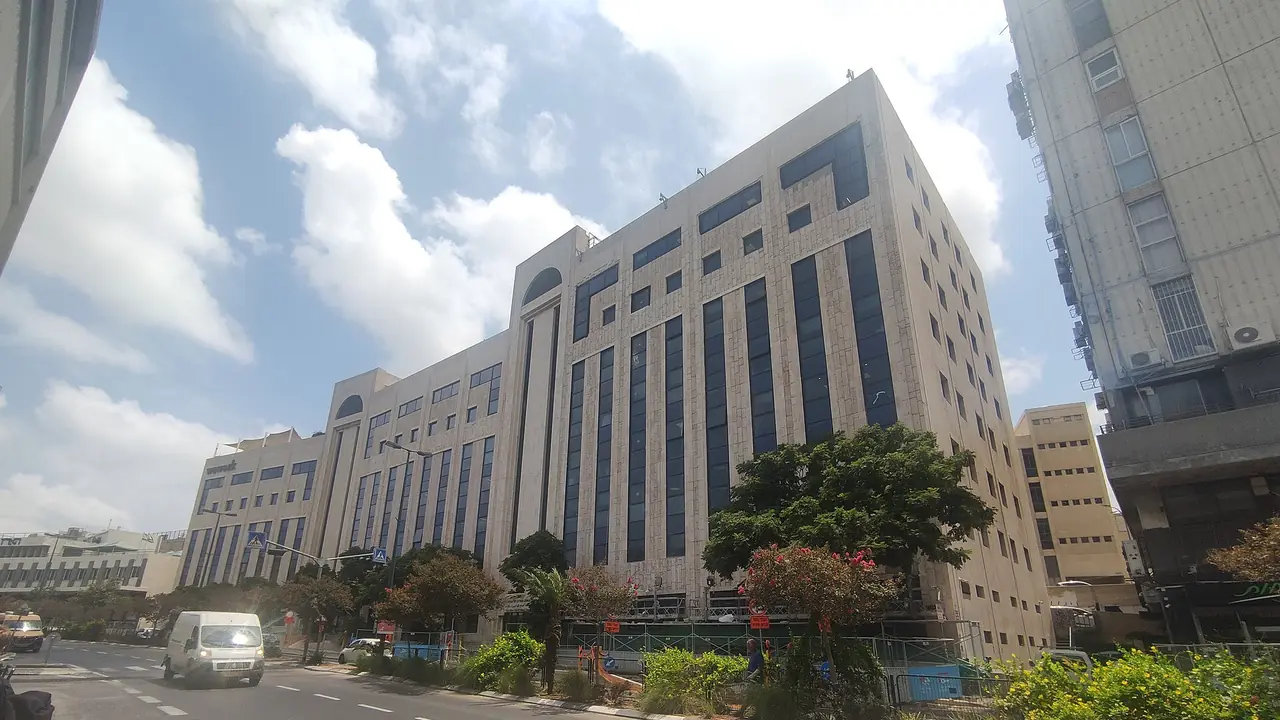
Shaare Zedek Medical Center Showcases Innovations at Annual Research Conference
Shaare Zedek Medical Center hosted its annual research conference, showcasing over 270 abstracts and highlighting 1,000 active studies ranging from genetics to artificial intelligence models.
Shaare Zedek Medical Center recently hosted its annual research conference, exhibiting roughly 200 posters that summarize investigations conducted across various hospital departments. The showcased projects range from fundamental studies on genes and cellular receptors to artificial intelligence models designed to detect polyps during colonoscopy procedures. Researchers from across the institution submitted more than 270 abstracts to the event.
Expanding Research Horizons
Following a three-year hiatus due to regional security conflicts, organizers noted that the academic gathering returned with significant momentum. Once operating primarily as a community medical facility, Shaare Zedek has evolved into a major university-affiliated hospital featuring over 1,000 inpatient beds and serving nearly one million patients annually. The institution is officially affiliated with the Hebrew University Faculty of Medicine. Over the past year alone, hospital investigators published more than 600 scientific journal articles and currently manage approximately 1,000 active research projects.
Dr. Renana Ofan, head of the Research and Development Authority, emphasized that academic inquiry forms a core pillar of institutional culture. According to Dr. Ofan, while traditional universities focus primarily on academic output, hospitals prioritize patient care, yet clinical research directly enhances medical excellence.
"We are a university medical center operating on the belief that research is an inseparable part of better medicine. Whoever asks questions, challenges assumptions, and stays updated is invariably a better clinician," Dr. Ofan stated.
Cultivating Clinician-Researchers
Prof. Dan Turner, Deputy Director of Research, Development, and Innovation, noted that clinical research frequently originates directly at the patient's bedside when treating physicians identify diagnostic or therapeutic limitations. To foster this investigative drive, Shaare Zedek invests millions of shekels in specialized programs such as the Talem and Barash initiatives, which provide young physicians and medical residents with dedicated research time, funding, and mentorship.
Institutional support includes a centralized biobank for collecting blood samples, wet laboratory facilities for incoming investigators, and mechanisms for extracting large-scale clinical data. These structured pathways have contributed to a sharp rise in scientific publications over the past fifteen years following the establishment of the dedicated R&D authority.
Breakthroughs from Genetics to Artificial Intelligence
Notable presentations at the conference highlighted several groundbreaking medical advancements developed within the medical center:
- BRCA Screening Programs: Prof. Efrat Levy-Lahad, head of the Genetic Institute, presented research on BRCA gene mutations. Her work demonstrated that population-wide screening significantly reduces disease incidence, paving the way for national health basket inclusion in Israel and the adoption of similar screening protocols internationally.
- Artificial Intelligence in Gastroenterology: Collaborative projects with Google have yielded automated models capable of identifying polyps in real-time during colonoscopies.
- Trauma Room Optimization: The trauma unit developed a validated system that utilizes pre-arrival parameters to determine within minutes which medical teams must be deployed to the emergency trauma bay.
Furthermore, Prof. Turner leads the Juliet Kiden Paediatric Gastroenterology and Nutrition Institute, where dietary interventions have achieved high clinical remission rates in pediatric Crohn's disease patients. Recent international follow-up studies indicated that maintaining specialized nutritional regimens among healthy relatives of Crohn's patients triggers biological shifts associated with a reduced risk of developing the condition, pointing toward practical disease prevention.
Future Growth and Technological Integration
With the hospital planning to double its physical capacity over the next seven years through the construction of a new inpatient center, leadership intends to expand clinical and research infrastructure simultaneously. Projects such as the SMART initiative, led in collaboration with the KI Association, utilize personalized medicine and medical record data to optimize blood testing for hospitalized patients.
Despite rapid technological expansion, medical leadership stressed that clinical responsibility remains firmly with human physicians, with artificial intelligence tools operating strictly in a decision-support capacity during the current technological revolution.