Severe El Niño Phenomenon Threatens Global Climate Disruption and Food Security
A severe El Niño event, potentially the strongest in 1,000 years, threatens global climate stability, triggering extreme heatwaves, droughts, and millions of potential displacements.
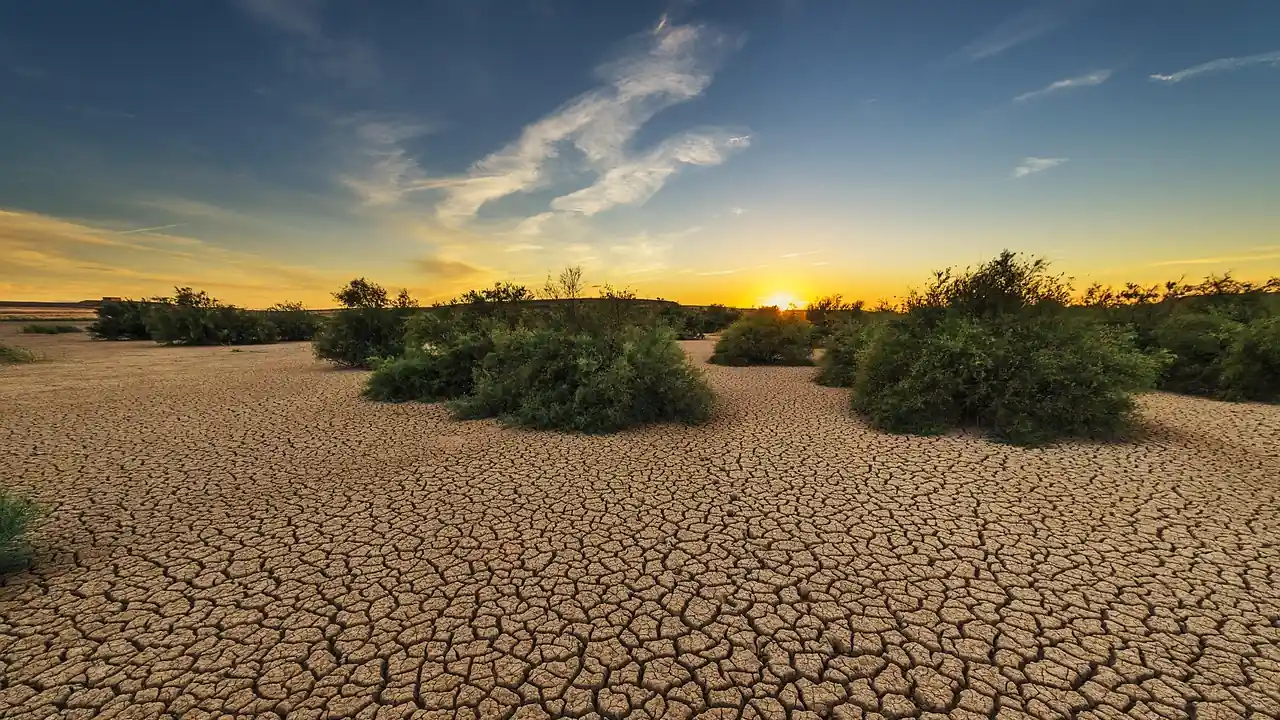
A historic El Niño climate phenomenon, potentially the strongest in at least a millennium, threatens to drastically intensify global weather anomalies, heatwaves, droughts, and food insecurity over the coming year. Convening at the COP31 climate conference, international delegates and scientific experts warn that compounding environmental disruptions will disproportionately punish vulnerable nations.
Global Repercussions and Extreme Weather
Natural cyclical warming of the eastern Pacific Ocean drives the El Niño phenomenon, fundamentally shifting precipitation, temperatures, and meteorological events worldwide. Early impacts are already visible across multiple continents. Indonesia faces catastrophic wildfires destroying homes and crops, California grapples with coastal flooding, Sudan confronts severe drought, and countries such as Ecuador and Somalia report heavy flooding.
Celeste Saulo, Secretary-General of the World Meteorological Organization, emphasized the escalating danger, stating:
"We are amplifying our weather, and El Niño will be a risk multiplier. The countries that contributed least to the crisis are paying the price."
Vulnerable Nations Bearing the Highest Costs
Low-lying island nations like the Marshall Islands, heavily reliant on rainwater harvesting, face severe drought emergencies alongside the existential threat of rising sea levels. Kathy Jetñil-Kijiner, the climate envoy for the Marshall Islands, criticized wealthy nations for failing to deliver promised adaptation financing while channeling vast resources into military budgets and artificial intelligence.
While developed nations committed last year to tripling financial assistance for poor and vulnerable countries, actual disbursements fall far short of the required $305 billion annually needed by 2035. This funding deficit leaves frontline states unequipped to handle upcoming climatic shocks.
Humanitarian Crises and Displacement
Climatologists project that the peak of the phenomenon in December, combined with baseline global warming, could make next year the hottest on record. Bill Hare, climate scientist and CEO of Climate Analytics, warned that the compounding factors will mimic accelerated global warming, triggering humanitarian disasters tied to water scarcity, agricultural failures, and coral reef bleaching.
The United Nations High Commissioner for Refugees expresses severe concern over East Africa, where deepening droughts threaten to displace up to three million people across Kenya, Somalia, South Sudan, and Uganda. Anton Leis García, Deputy High Commissioner for Refugees, highlighted that corn yields in Kenya have already dropped by 40%, severely straining food supplies.
Climate advocates at COP31 demand immediate financial flows rather than diplomatic rhetoric. Mohammed Adow, founder of the African think tank Power Shift Africa, stressed the urgency of direct intervention:
"People who live with the climate crisis cannot afford to wait for another round of diplomatic promises. You cannot protect a crop with a promise. People need resources on the ground."