Sderot Senior Club Offers Purpose and Community Resilience After October 7
An occupational club for seniors in Sderot offers older residents productive work, social connection, and renewed purpose, serving as a vital anchor of community resilience years after the October 7 attacks.
Maria Farber, 77, woke up on the morning of October 7 to the sound of red-alert sirens in Sderot. Accustomed to rocket fire, she and her dog retreated to the safe room of her apartment in the Neve Eshkol neighborhood. When the sirens paused briefly, she stepped to the window. "Then I see people with guns starting to shoot toward the houses," she recalls. "Some had green-and-white headbands, and some were dressed like our army, but shouting in Arabic." Her daughter called, urging her away from the window and into the safe room as terrorists infiltrated the city.
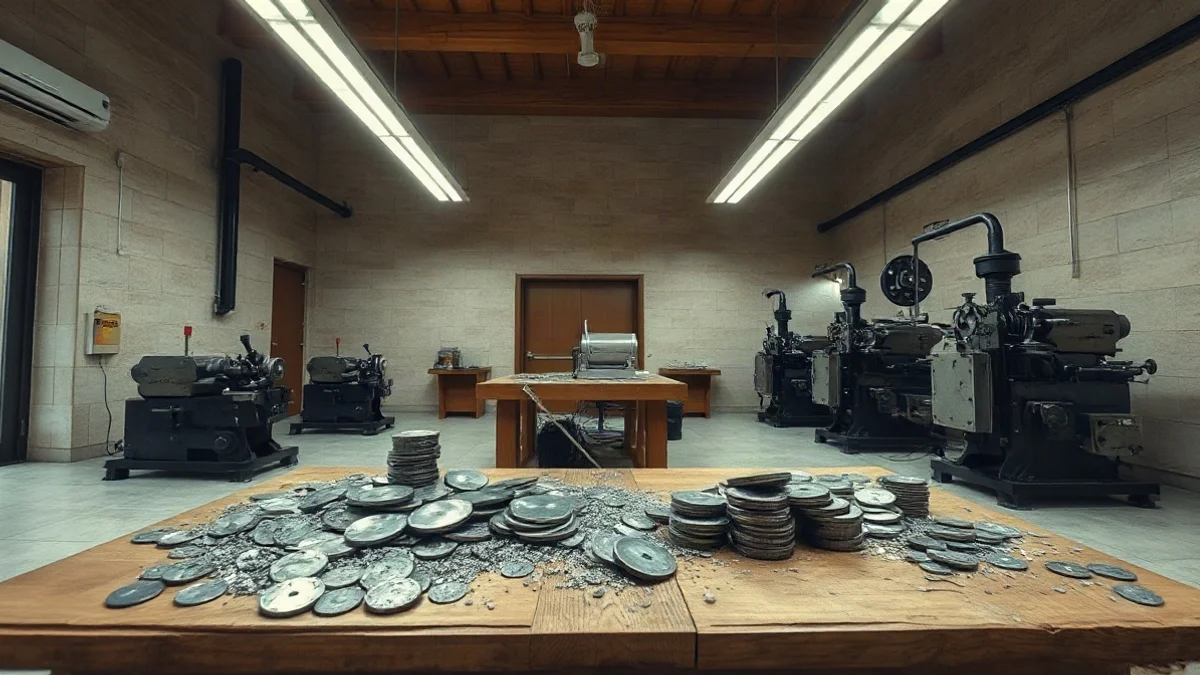
Just 550 meters from the memorial site standing on the ruins of the Sderot police station, another daily routine unfolds at an occupational club for seniors operated by the Reut Association in cooperation with the Sderot Welfare Department and JDC-Israel. Dozens of older residents, mostly women, gather here four hours a day to perform packaging and assembly work for various businesses, from packing perfumes for the Sacara chain and Shabbat candles for Menora Ase HaZait to assembling plastic components. Managed by Inav Avraham, the club provides participants with a symbolic, equally divided monthly salary regardless of individual output, emphasizing social connection over strict quotas.
For members like Ludmila Dubkov, 78, and Yochi Soleimani-Daniali, 76, the club is far more than a workplace; it is a lifeline that restores dignity and purpose. "I need to get out of bed, brush my teeth, and choose clothes instead of walking around in a nightgown all day," Ludmila says, recalling how she survived October 7 by hiding in her safe room while a gunman banged on her front door. Yochi, a world traveler and mother of four who spent months displaced in Dead Sea hotels after the outbreak of the war, brings vibrant energy to the group. "When I walk into a Super-Pharm and see the perfume we packaged here, I tell the clerk we packed it at our club in Sderot," she says with pride.
The club operates as a diverse micro-community where language barriers dissolve. While many members are immigrants from the former Soviet Union, communication flows effortlessly through smiles, shared tasks, and mutual care. Inav Avraham, who managed her own family crises and displacement during the war while coordinating the safety of club members, notes that the project creates a true sense of extended family. "When someone walks in and says 'Good morning, home,' you understand what this place means to them," she says, highlighting the profound emotional and social impact of productive daily engagement for seniors in the frontline city.