Sderot Resilience Center Director Hilla Gonen Barzilai Steps Down After Decades
Following 17 years at the helm, Hilla Gonen Barzilai steps down as director of the Sderot Resilience Center, detailing the immense psychological toll and operational shift of treating thousands under fire since October 7.
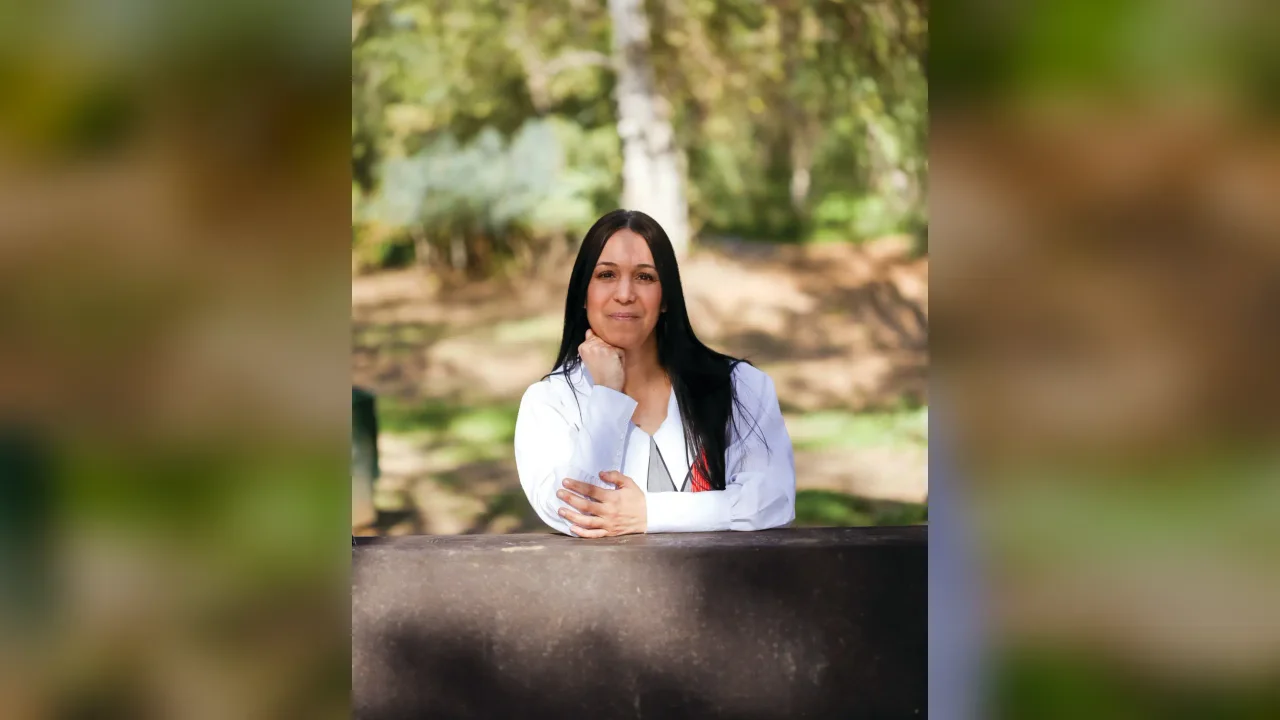
Sderot Resilience Center Director Steps Down
The image of Hamas militants firing from pickup trucks through the streets of Sderot remains etched in the collective memory of Israelis from the morning of October 7, 2023. Over two days of intense combat between terrorists, security forces, and armed Israeli civilians, 52 people were killed while attackers fortified themselves inside the Sderot police station. Throughout those terrifying hours and the grueling months that followed, the local resilience center served as a vital psychological anchor for the city's residents.
Now, a new book published by the Sderot Municipality titled "Sting: Therapy for an Entire City" captures the community's ordeal through the eyes of the center's mental health professionals, alongside professional insights gathered from frontline experience. Hilla Gonen Barzilai, the book's initiator and editor who directed the Sderot Resilience Center for 17 years until her recent departure, reflects on the unprecedented scale of the crisis.
Scaling Up Support Under Fire
"Long before October 7, we noticed experts from Israel and around the world visiting the Sderot Resilience Center to learn how to treat people with chronic post-trauma and how to build community resilience amid unending emergency conditions," Gonen Barzilai explains. "October 7 pushed us to the absolute limit. We shifted from treating about 2,000 patients annually to handling 3,000 patients every month. We expanded from a single municipal center to 120 locations nationwide housing evacuated Sderot residents, establishing six major resilience hubs and operating at well over 200 percent capacity."
Sderot Mayor Alon Davidi emphasizes that the community did not seek this expertise voluntarily. The knowledge was acquired at an unbearable cost through years of fear, loss, and uncertainty. Yet, municipal leadership maintains that transforming this hard-earned experience into a practical framework is essential for rebuilding and fostering hope.
Adapting Therapy to Hotel Lobbies and Sidewalks
The concept of "setting" in professional therapy traditionally relies on a defined framework of time, a permanent physical location, structured protocols, and established tools. Following the outbreak of the war, this clinical setting shattered entirely. Therapists found themselves conducting sessions by hotel swimming pools, inside parking garages, on sidewalks, and within temporary hotel rooms under ethically challenging circumstances.
"We never asked to become experts in resilience," Mayor Davidi notes. "This knowledge was acquired through years of pain, but once learned, we have a responsibility to use it as a strength not only to stand ourselves, but to reinforce others."
Therapists themselves were active targets of the violence, with staff members residing in hard-hit communities across the Gaza envelope such as Be'eri, Nirim, and Nir Yitzhak. Despite personal tragedies, including children wounded in Gaza, staff members continued providing psychological first aid while waiting outside hospital operating rooms.
The Traffic Light Model and Future Outlook
Gonen Barzilai established a "traffic light model" to protect and manage the mental health staff during the height of the crisis. Red was assigned to staff members directly harmed, yellow to those affected secondarily, and green to professionals who experienced no direct trauma and could handle high-intensity operational tasks. This structured approach allowed leadership to support the team while continuously delivering care.
After stepping down from her long-standing role to restore personal and family balance, Gonen Barzilai now lectures on personal, community, and organizational resilience while advising local authorities on emergency preparedness. The lessons forged in Sderot continue to serve as a foundational model for emergency mental health intervention across Israel.