Russian Ambassador Praises Israeli Policy in Article Marking 35 Years of Ties
Russian Ambassador Anatoly Viktorov praised Israel's balanced policy on Ukraine and non-participation in sanctions, marking 35 years of restored diplomatic ties while highlighting bilateral trade and high-level talks.
Marking 35 years since the restoration of full diplomatic relations between Moscow and Jerusalem, Russian Ambassador to Israel Anatoly Viktorov published a comprehensive article outlining Russia's vision for the Middle East. While praising current Israeli policies, the ambassador offered a veiled critique of the local banking system.
Viktorov began with an extensive historical overview, noting that ties between the nations began long before Israel's establishment. He highlighted key Zionist figures influenced by the Russian social and political environment, including Chaim Weizmann, Ze'ev Jabotinsky, David Ben-Gurion, and Golda Meir. The ambassador emphasized the Red Army's role in World War II, during which roughly half a million Jews served in its ranks, and cited the fight against historical revisionism and antisemitism as a shared value. He recalled that the Soviet Union was the first to de jure recognize Israel on May 18, 1948, and maintained backchannels even after ties were severed in June 1967.
Turning to contemporary geopolitics, Viktorov noted that dialogue remains open despite disagreements over Europe and the Middle East. "We note the balanced approach of the Israeli leadership to the Ukrainian crisis, its refusal to join anti-Russian sanctions, and its refusal to supply weapons to Kyiv," Viktorov wrote. He also credited Russian diplomatic efforts with assisting in the release of certain Israeli hostages from the Gaza Strip.
Addressing regional stability, the ambassador stated that Russia's centuries-long presence in the Middle East will never change. He criticized unilateral military force and advocated for political solutions based on international law. Viktorov offered Moscow's mediation, stating that Russia stands ready to help build bridges between Muslim nations and Israel. Furthermore, he revealed that annual bilateral trade exceeds two billion dollars, though he criticized Israeli banks for exercising excessive caution that hinders direct payments between the two countries.
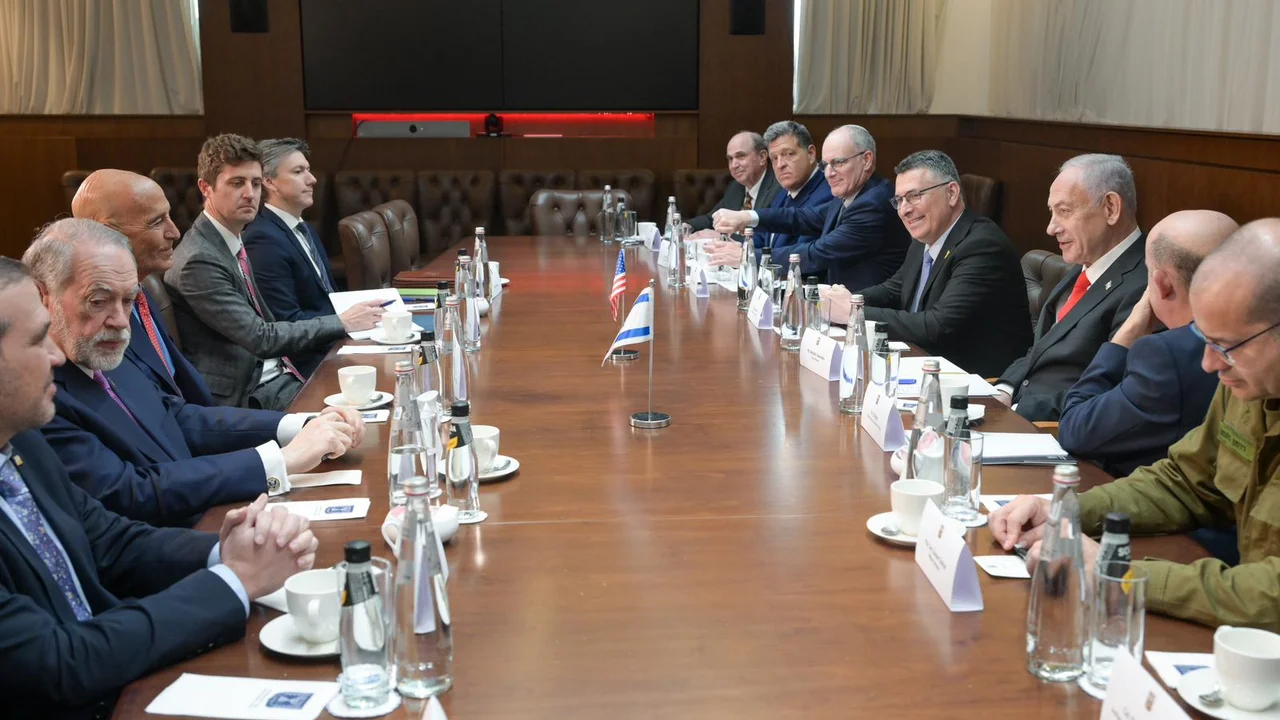
Concluding on an optimistic note, Viktorov expressed hope that future Israeli political leadership will maintain constructive dialogue and avoid joining anti-sanctions agendas. He highlighted high-level communications, noting that Russian President Vladimir Putin and Israeli Prime Minister Benjamin Netanyahu held six phone calls throughout 2025 and another in January 2026, reflecting ongoing political stability.