Roni Kuban and Kan 11 Face Criticism Over Low Female Guest Numbers
An independent audit reveals that 100 percent of guests on the current season of the Kan 11 interview show hosted by Roni Kuban are men, sparking renewed debate over media representation.
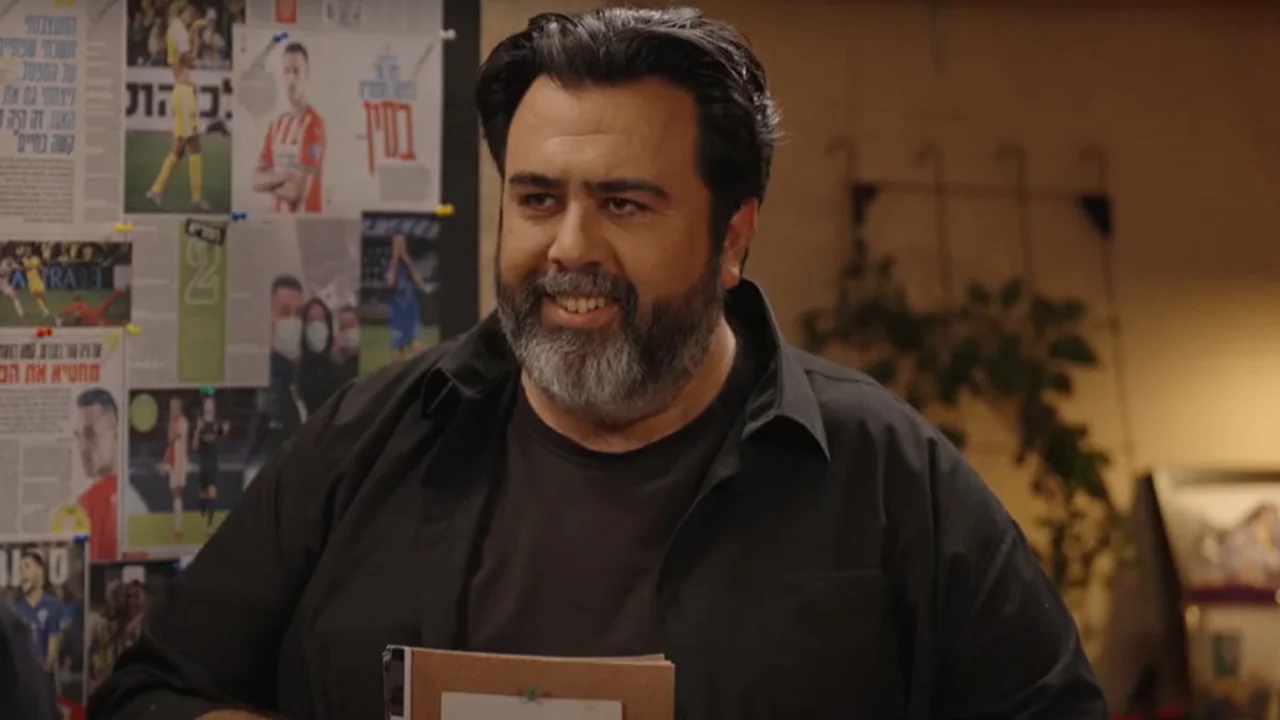
The acclaimed interview program "Meeting with Roni Kuban", broadcast in Israeli media and featuring prominent figures from politics, culture, media, and economics, has drawn scrutiny this week. A newly released gender representation audit reveals a stark imbalance between male and female guests across recent seasons of the popular television show.
Findings of the Gender Audit
The evaluation was published on Monday by the organization "5050 - Partnership and Gender Equality" as part of its ongoing media index tracking female representation on Israeli television programs. According to the audit, out of 86 total interviewees across the last four seasons of the program, only 20 were women, accounting for approximately 23 percent of the guests.
A closer look at the seasonal breakdown illustrates a persistent trend. The eighth season featured 13 men and five women, while the ninth season included 24 men compared to eight women. The tenth season continued the pattern with 20 men and seven women appearing on the broadcast.
Zero Female Guests in the Current Season
However, the statistic that generated the sharpest criticism focuses on the program's 11th season. As of November 23, the current season has hosted nine male guests and not a single female guest.
Guests on the current season include former Prime Minister Naftali Bennett, Benny Gantz, Ahmad Tibi, Chili Tropper, journalists Nadav Perry and Shlomi Eldar, businessman Assaf Rappaport, and comedian Nadav Abuksis.
Following the release of the findings, representatives from the 5050 organization criticized the Kan 11 host and production team, questioning how an all-male lineup could occur in the new season. The organization's statement emphasized the need for immediate corrective action:
"When planning the next season of 'Meeting', the time has come for 50-50."
Advocates stressed that equitable representation is crucial for a program format that offers extensive airtime for prominent figures to share their life stories and worldviews, arguing that balanced media visibility fosters a more equal society.