Ron Biton Exposes Feud with Omer Adam's Manager and Industry Realities
Top Israeli songwriter and producer Ron Biton discusses his career, industry challenges, and reveals a professional rift with Omer Adam's manager, Tal Kastiel.
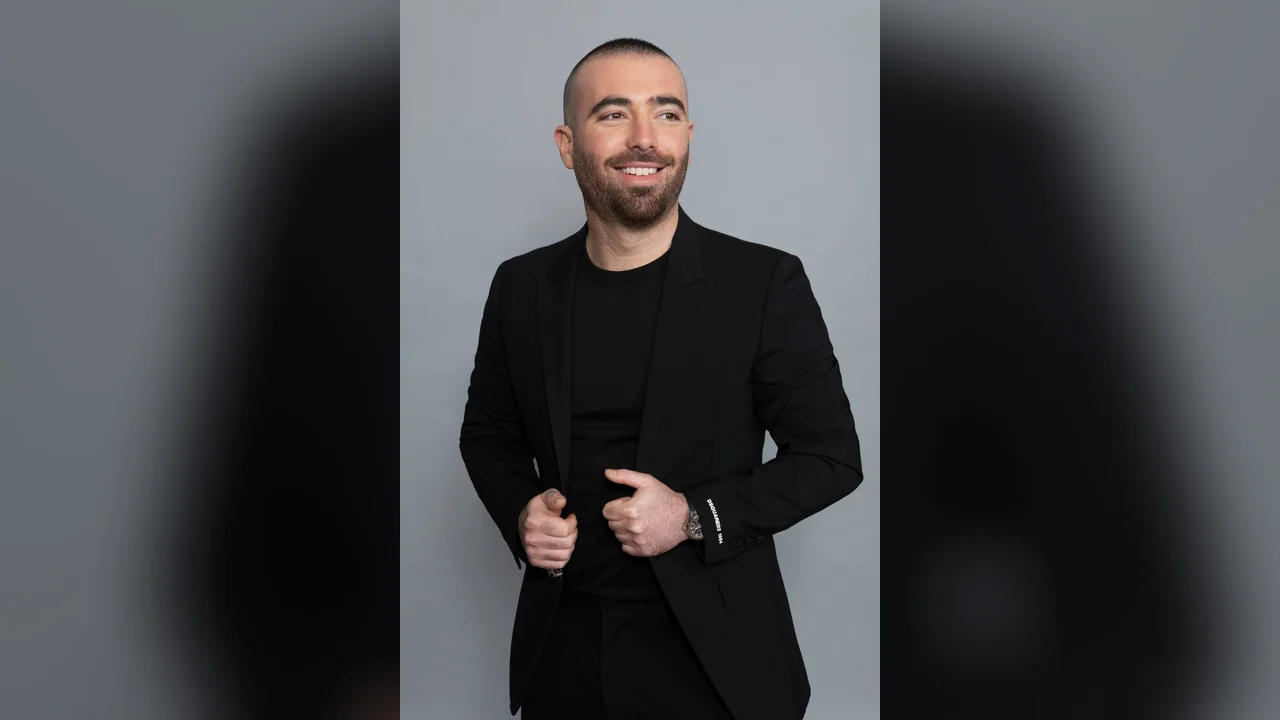
Songwriter and producer Ron Biton opens up about his career evolution, the inner workings of the Israeli music industry, and his ongoing feud with Omer Adam's artistic manager, Tal Kastiel. Reflecting on his transition from a rapper to one of Israel's most prolific hitmakers, Biton explains that surviving in the modern music market requires a multi-faceted approach akin to the tech industry.
The TikTok Revolution and Changing Hit Economics
Biton credits platforms like TikTok for democratizing music promotion and making viral success more accessible, yet he stresses that producing a genuine hit has become significantly harder. While he used to churn out up to fifteen major hits a year between 2019 and 2023, the sheer volume of releases—ranging from four hundred to a thousand songs a month—means that today's listeners and algorithms are far more selective. Only the public decides what succeeds, raising the threshold for what constitutes a true commercial breakthrough.
Professional Fallout and the Music Industry's Financial Complexities
In a candid revelation, Biton discusses his professional rift with Tal Kastiel, the artistic manager of superstar Omer Adam. Having previously partnered in business, Biton severed ties after alleging that Kastiel attempted to poach talent from his circle. Consequently, Biton no longer sends songs to Adam out of professional respect for his management structure, despite maintaining a cordial personal relationship with the singer.
Beyond personal disputes, Biton has taken on systemic industry issues, successfully lobbying Kan, the Israeli Public Broadcasting Corporation, to reform its broadcasting regulations and curation processes. After uncovering severe underrepresentation of contemporary Mizrahi music and opaque selection procedures, he met with network executives to ensure fairer representation and transparent artist selection. Biton also criticizes the distribution of royalties through ACUM, arguing that lack of transparency hurts creators and advantages established legacy acts.
Collaborations and the Next Generation
Currently working with prominent artists like Itay Levi, whom he praises as a deeply intuitive musical talent, Biton continues to mentor the next wave of creators. He dismisses artificial intelligence as a viable tool for songwriting, insisting that true craftsmanship relies on genuine human skill rather than automated generation.