Rome Trevi Fountain Entry Fee Leads to Unexpected Drop in Charity Donations
Rome's Trevi Fountain sees a 12 percent drop in euro coin collections after the city introduced a two-euro entry fee to curb overtourism, impacting local Catholic charity funds.
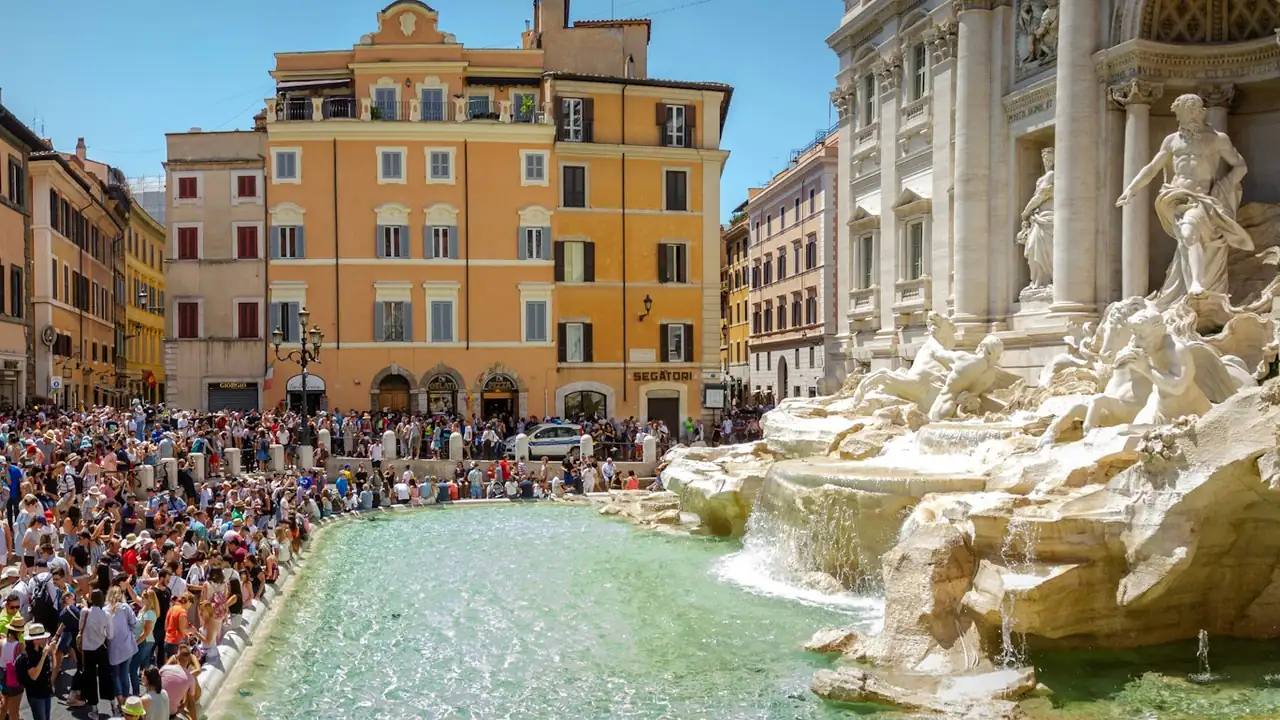
Rome's iconic Trevi Fountain is experiencing an unexpected financial dip following the municipal government's decision to introduce a fee for visitors wishing to approach the monument. While the age-old tradition promises a return visit to the Italian capital for those who toss a coin into the water, the new policy is altering the flow of contributions that traditionally support local charitable initiatives.
According to data recently published in the British press and Italian media, euro coins collected from the fountain during the first nine months of the year totaled approximately 1.24 million euros. This represents a decline of about 174,000 euros, or more than 12 percent, compared to the 1.42 million euros collected during the same period last year. Giustino Trincia, director of Caritas Rome, noted that the restricted access to the fountain may have contributed to the drop, though a complete assessment will require counting foreign currency that has not yet been processed.
Impact on Charitable Programs and Municipal Goals
The funds collected from the Trevi Fountain serve as a vital financial lifeline for Caritas, a Catholic charity organization that relies on the coins to fund soup kitchens, food distribution centers, homeless shelters, healthcare services, and support for vulnerable families and children. Reports from the organization indicate that bottom-of-the-fountain collections reached nearly two million euros in 2023 and approximately 1.86 million euros in 2025. Despite the recent drop in euro coin collections, the partnership between Rome's municipal administration and the local church was recently renewed for another three years.
The Rome municipality introduced the two-euro admission fee on February 2 to combat overtourism, enhance visitor experience, and protect the historic landmark. While viewing the fountain from the surrounding piazza remains free, tourists descending the steps to the basin level must pay the fee. Local residents, children under six, individuals with disabilities and their companions, and licensed tour guides are exempt. Municipal officials expressed satisfaction with the initiative, noting that the first month alone drew approximately 230,000 visitors to the enclosure, generating more than 435,000 euros in ticket sales to fund heritage preservation and free municipal museum access for residents.
Broader Factors Affecting Coin Donations
Beyond entry restrictions, several other economic and demographic factors explain the reduction in physical coin contributions. The growing reliance on credit cards and digital wallets means that fewer international travelers carry physical change during their trips. Furthermore, overall visitor numbers in Rome have declined compared to 2025, when the Catholic Church celebrated its Jubilee Year and attracted millions of pilgrims. Bank of Italy data indicates that overall visitor numbers dropped by about four percent, a significantly lower rate than the decline observed in euro coin collections.
The custom of tossing a coin into the Trevi Fountain gained worldwide fame following the release of the 1954 Hollywood film "Three Coins in the Fountain". More than seven decades later, modern efforts to curb mass tourism and the shift toward cashless transactions are presenting this famous Roman tradition with a new set of challenges.