Terrorist robots: Is Israel ready for the next war?
China is developing humanoid robots, Ukraine is already operating machines on the front lines. Should Israel, which faces threats like improvised explosive devices and drones, accelerate investment in the soldiers of the future now to save human lives?
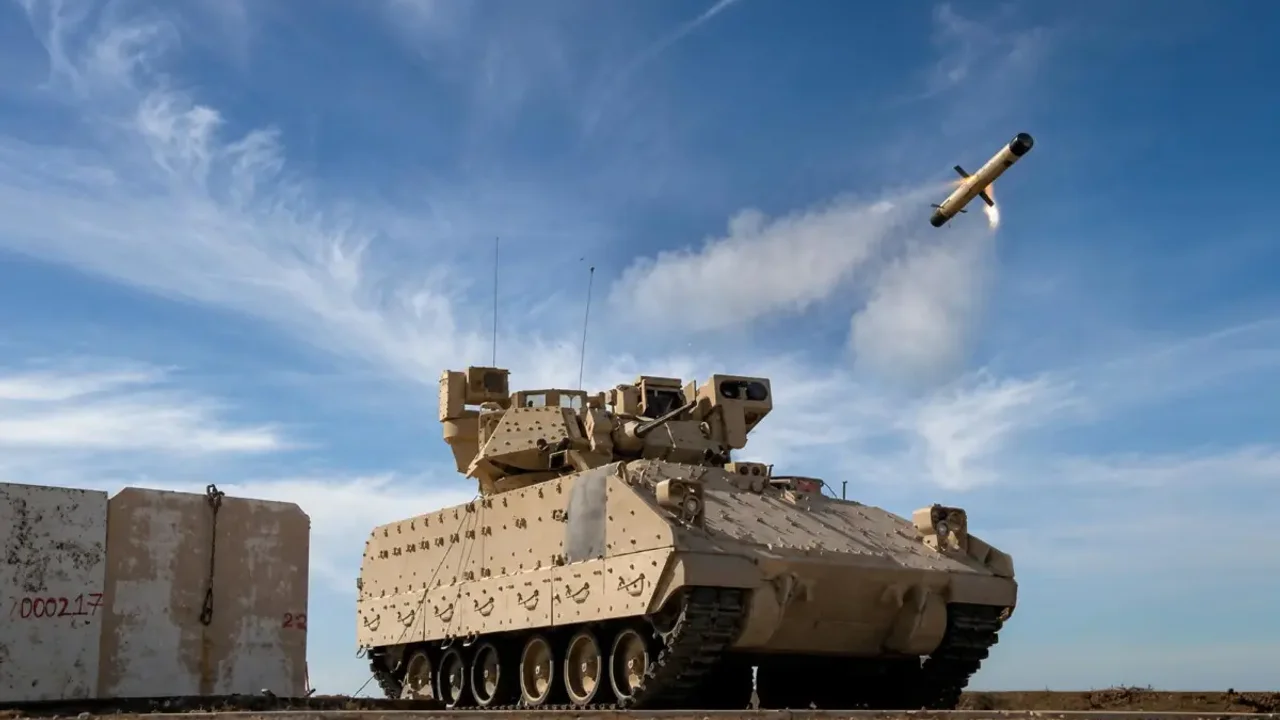
The war in Ukraine shows us what the future battlefield will look like: drones in the sky, machines moving on the ground instead of soldiers, and successful military operations that did not risk a single living soul on their side.
In the first months of 2026, Ukrainian forces carried out more than 50,000 missions using unmanned robotic vehicles, mainly for transporting equipment, ammunition, and evacuating the wounded. Recently, systems with weapons also eliminated dozens of Russian soldiers in a single operation. The number of missions performed by unmanned machines rose from 7,500 in January to more than 14,000 in May. At the same time, Ukraine signed contracts to purchase more than 22,000 ground robotic systems for 2026. The goal is clear: to put a machine in a place where putting a human could cost them their life.
However, Ukraine is not the only one looking in this direction. In China, there is a parallel rapid race to develop humanoid robots, and the event that illustrates the pace is the World Humanoid Robot Competition held in Beijing. More than 2,000 robots from 600 teams and 16 countries participated in running, boxing, gymnastics, and obstacle course competitions.
One robot even set a time of 9.39 seconds in the 100-meter dash, which is faster than Usain Bolt's famous record. Behind the technological show lies a military question as well. Yang Kun, an engineer at the Chinese robotics company AG BOT, told CBS News that he believes humanoid robots that could be used as soldiers might appear in just five years.
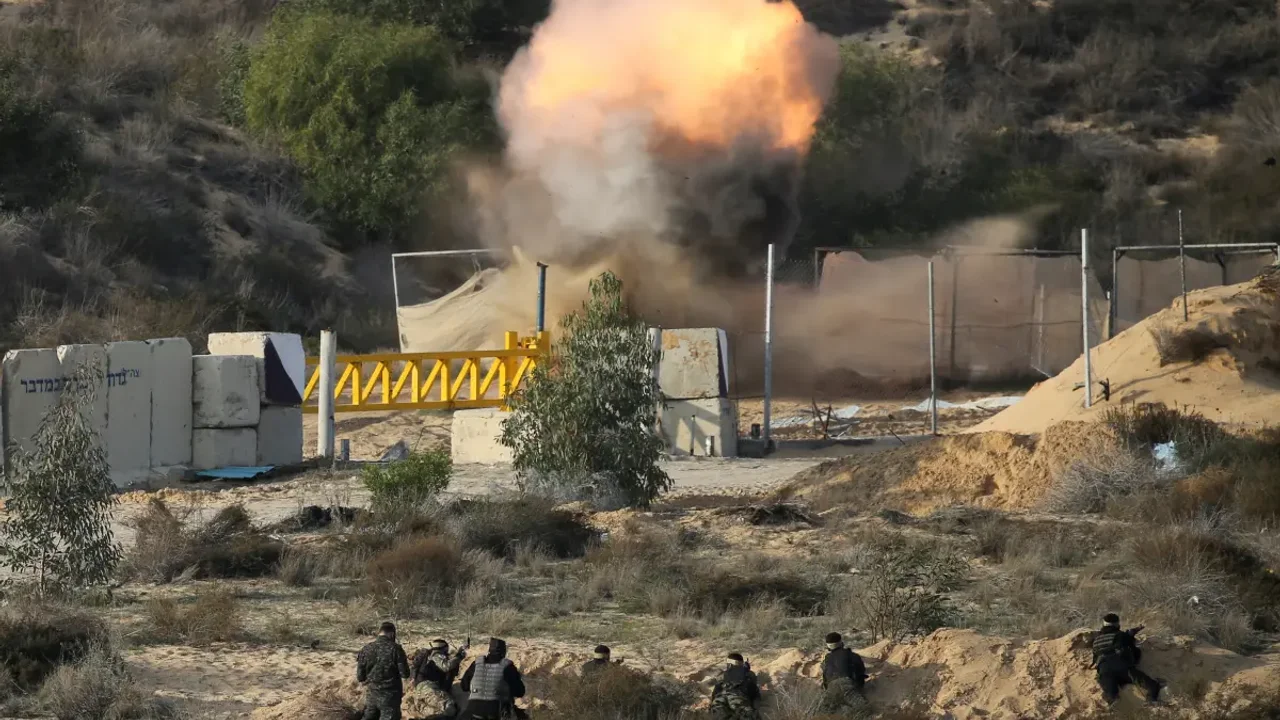
The implication for Israel is not necessarily that the IDF needs to start purchasing humanoid "robot soldiers." In fact, the technology that is proving itself already is much simpler: small remotely controlled vehicles, systems for evacuating the wounded, carrying equipment, surveillance, and performing tasks in areas where any entry by a soldier exposes them to danger. For Israel, which has been dealing for years with improvised explosive devices, ambushes, and threats in built-up areas, this is a direction that is hard to ignore. Precisely because the threat comes not only from armies but also from organizations operating using guerrilla warfare methods, the ability to send a machine before a human could be significant. Israel is a technology and security powerhouse, so the question is not whether it is capable of developing such systems, but at what pace it is prepared to put them into use.
The more disturbing scenario is a few steps ahead. If within five to ten years humanoid robots become a common commercial product, as some industrialists in China predict, the line between a civilian robot and a system with military use could become more blurred.
This does not mean that a robot purchased on the internet will become a soldier overnight, but the rapid development of software, artificial intelligence, sensors, and control systems makes the possibility that systems of this type will reach the hands of terrorist organizations sooner than we thought. Therefore, for Israel, the lesson from Ukraine and China is not necessarily that soldiers need to be replaced by machines, but that one needs to be prepared for a world where the death penalty for a terrorist will truly not be effective because the terrorist will be a robot.