Israel's Design Capital Faces Severe Retail Slump Amid Housing Market Crisis
Rishon LeZion's major design and furniture hubs face a severe retail slump driven by the real estate crisis, high renovation costs, and shifting consumer spending habits.
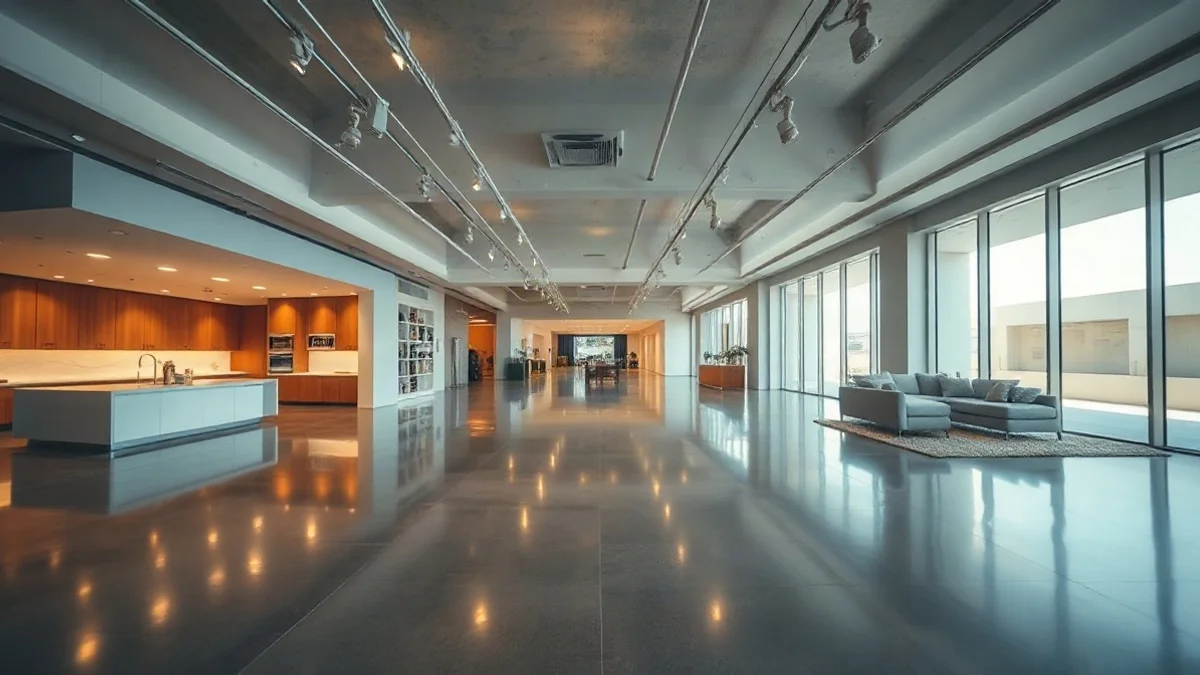
Rishon LeZion, widely recognized as Israel's premier design and furniture hub, is grappling with a severe market slowdown. Spanning dozens of street-level shops and major exhibition centers across the western industrial zone, the city houses over 100 showrooms featuring custom kitchens, luxury living room sets, lighting, and home decor. Despite the vast inventory and prominent brands, industry insiders report that showrooms remain largely empty throughout the week as intersecting economic pressures squeeze the retail sector.
The Real Estate Slump and Shifting Consumer Habits
The crisis in the housing market serves as the primary catalyst for the downturn in furniture sales. Retail employees and designers note that developers are struggling to sell apartments, directly cutting off the pipeline of new homebuyers who traditionally furnish entire properties upon receiving their keys. Furthermore, soaring renovation costs leave homeowners with severely depleted budgets by the time structural work is completed, forcing them to scale back non-essential purchases.
Sales personnel also point to changing consumer habits and intense competition from cheap imports. With a growing segment of young couples renting apartments rather than buying, demand has shifted toward inexpensive, temporary furniture rather than long-term investments. Market players note that low-cost imports from China and the West Bank, alongside budget offerings from mass-market chains such as Ace, have flooded the market with aggressively priced items that appeal to cost-conscious renters.
Showroom Realities Across Local Design Hubs
At the Israeli Furniture Center, located near the Golden Mall, roughly 50 showrooms stand quiet amidst polished corridors and warm lighting. Sales representatives describe the current climate as a commercial war, noting that weekday foot traffic has vanished entirely. While Friday mornings bring a modest influx of visitors, overall sales volumes remain depressed.
A similar picture emerges at the Boulevard 4 complex, a 5,000-square-foot trading space hosting established brands such as Avivi Kitchens, Tzamar Carpets, Hamat Doors, and Dr. Gev. Workers explain that while the city's concentration of design stores normally attracts shoppers nationwide, the direct link to the stalling housing market has stifled weekday transactions.
In contrast, the West Design complex in western Rishon LeZion experiences higher foot traffic, though merchants attribute this primarily to neighboring anchors such as a Hazi Hinam supermarket and local cafes rather than dedicated furniture shoppers. The sprawling 24,000-square-meter site features major brands including ReGeva Kitchens, Floris, Sheviro Garden Furniture, and Million Chairs. Despite benefiting from free parking and a central corridor, store owners emphasize that high rental costs clash sharply with unpredictable sales cycles and prolonged dead hours.
Strategic Adjustments by Interior Designers and Consumers
Interior designer Tal Gal of Tula Studio confirms that the home renovation sector is experiencing a palpable cooling-off period. While urban renewal projects remain active in Rishon LeZion, the scale of completed transactions has dropped significantly as clients adopt a wait-and-see approach.
"Clients do not compromise on infrastructure, kitchens, bathrooms, or fixed carpentry because those investments are expensive and difficult to alter later," Gal explains. "Compromises are made on furniture and accessories, with many preferring to delay purchasing a sofa or dining set, incorporate budget pieces from IKEA initially, and complete their homes gradually."
Structural Challenges and Online Showrooming
Dr. Moty Azulay, a consumer behavior researcher and lecturer at the College of Management Academic Studies, analyzes the crisis through three distinct fronts impacting design centers. First, the backlog of unsold apartments directly suppresses downstream spending on home furnishings. Second, economic pressures force households to prioritize absolute necessities over discretionary upgrades. Third, the rise of online retail has transformed physical stores into informal showrooms.