Revolution Orchestra at 22: Redefining Classical Music Through Innovation
Celebrating 22 years of boundary-pushing music, the Revolution Orchestra continues to transform classical performance into a living laboratory for interdisciplinary art and cultural dialogue.
For over two decades, the classical orchestra was often viewed as a pristine museum—an institution dedicated to preserving the legacy of long-gone composers under strict codes of silence, formal attire, and emotional distance. In 2004, two young students in Jerusalem, composer Zohar Sharon and conductor Roi Oppenheim, resolved to dismantle that rigid paradigm. They established an ensemble designed not as a static genre, but as a living laboratory for original and interdisciplinary creation.
Breaking the Mold with Interdisciplinary Art
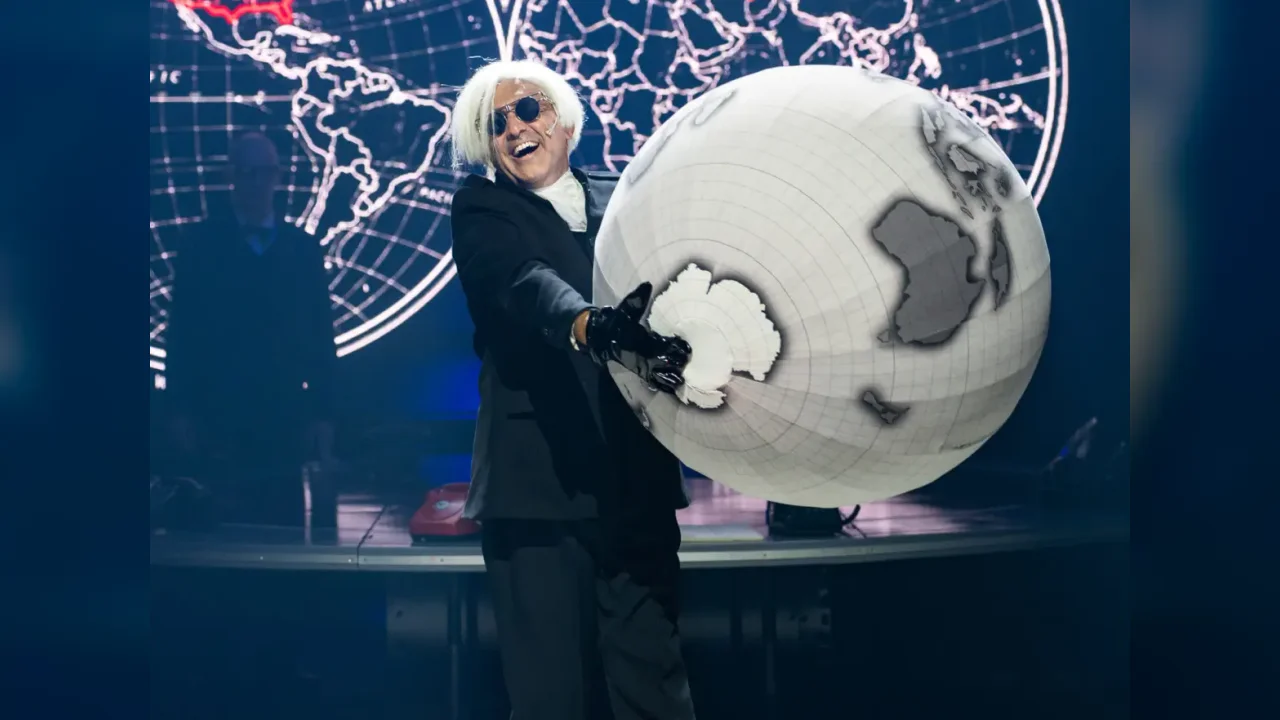
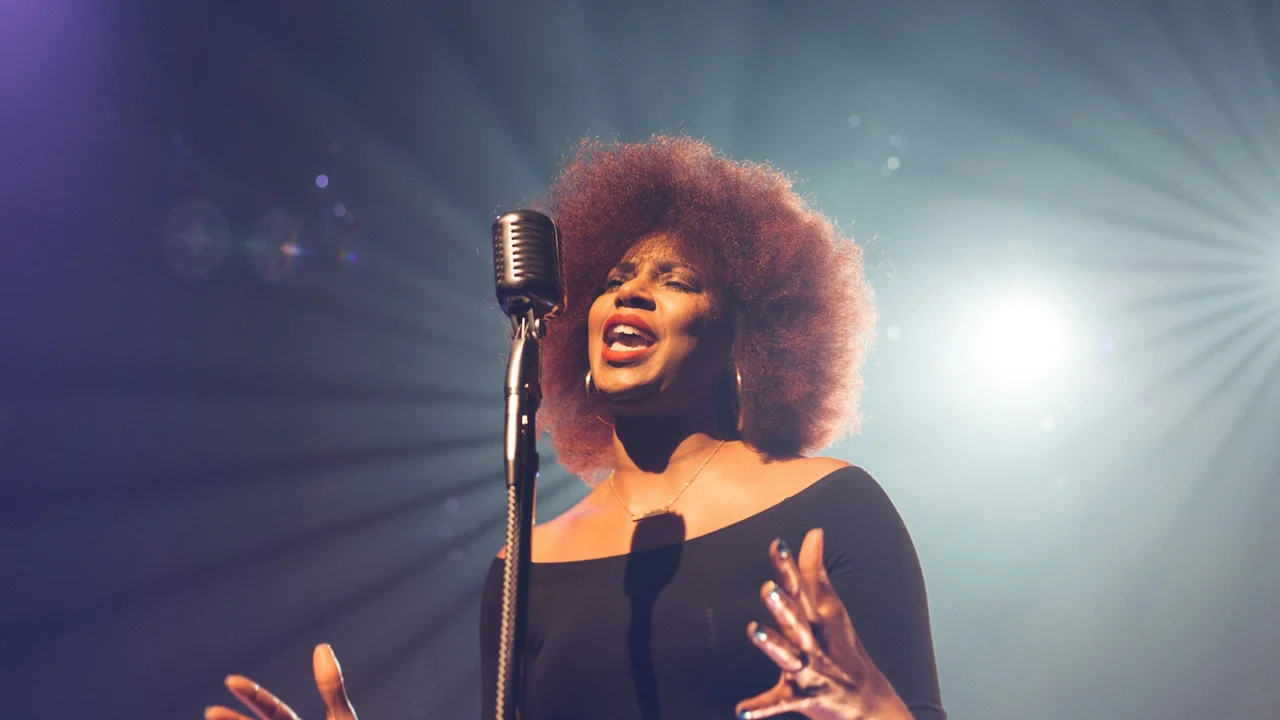
Launching its latest season across the Israeli Opera, the Herzliya Performing Arts Center, and the Haifa Auditorium, the Revolution Orchestra showcases its signature artistic range through three distinct new productions. "Here I Am" features singer Aya Korem translating and interpreting the timeless catalog of Leonard Cohen alongside the orchestra and the HaEfroni Choir. "Still Crazy" delivers a theatrical, high-energy encounter with the puppet rock band Red Band performing the songs of Paul Simon. Additionally, a cinematic concert pairs Alfred Hitchcock's horror masterpiece "Psycho" with a live performance of Bernard Herrmann's iconic score.
The journey of the ensemble began far away from traditional concert halls. Both founders grew up exploring popular music alongside classical piano training, crossing paths in the early 2000s at the Jerusalem Academy of Music and Dance. Their academic pursuits followed extensive combat military service—Oppenheim served as an intelligence officer commanding an airborne reconnaissance unit, while Sharon served as a tank commander course instructor—while concurrently pursuing university degrees in political science, education, and philosophy. Reflecting on their unorthodox beginnings, the founders note that no institutional orchestra was willing to hand two musicians in their early twenties the keys to an open laboratory for experiments merging video art, rock, and theater. Driven by sheer determination, they built their own creative playground from scratch.
Reimagining Icons and Cultural Bridges
Among the ensemble's most distinctive signatures is the art of deconstructing and reassembling the cultural DNA of iconic Israeli creators such as Arik Einstein, Yossi Banai, HaGashash HaHiver, and Monty Python. Described by the creators as "playing with ghosts," this method treats historical archival recordings as live soloists sharing the stage, deftly shifting rhythm and harmony around the original vocal tracks. Their multimedia approach integrates video art directly into the compositional process, treating visuals as an inseparable element of the orchestral score in what they define as the "Art of Context.
One of the most emotionally charged and culturally resonant projects undertaken by the orchestra is "I Will Speak to You," which translates 20 canonical love songs from Hebrew to Arabic and vice versa. Initially planned for December 2023, the production was postponed due to the outbreak of the war amid high societal tensions and limited public appetite for cross-cultural discourse. When the show finally debuted in April 2024, the emotional response exceeded all expectations, leaving audience members in tears. Reflecting on the ongoing cultural climate, the founders emphasize that bridging linguistic divides is not a political statement, but an essential human value.
Two Decades of Artistic Evolution
Over 22 years of continuous operation, the orchestra has mounted roughly 60 original productions and collaborations, currently producing between four and six new programs annually. In the past year alone, approximately 60,000 people attended the ensemble's concerts, joined by tens of thousands more through theatrical collaborations. Uniquely in the orchestral landscape, the ensemble has never held auditions; its musicians, all classically trained artists seeking creative freedom outside traditional confines, coalesced organically over the years into a close-knit artistic family.
Looking toward the challenges of the modern era, Sharon and Oppenheim view their ongoing work as a dual mission of providing pure escapism from external chaos while offering profound cultural meaning and comfort. As Sharon notes, their sole remaining adversary is complacency: "Our only enemy is complacency, ensuring that we never fall into the trap of recycling ourselves while continuing to offer audiences both sanctuary and a space for deep reflection."