Reservist Pleads With IDF and Lieberman Over Service Freezes and Welfare
During a Knesset committee hearing, a wounded Gaza reservist urged IDF Manpower Head Dado Bar Kalifa to lift service freezes and appealed to MK Avigdor Lieberman over troop welfare.
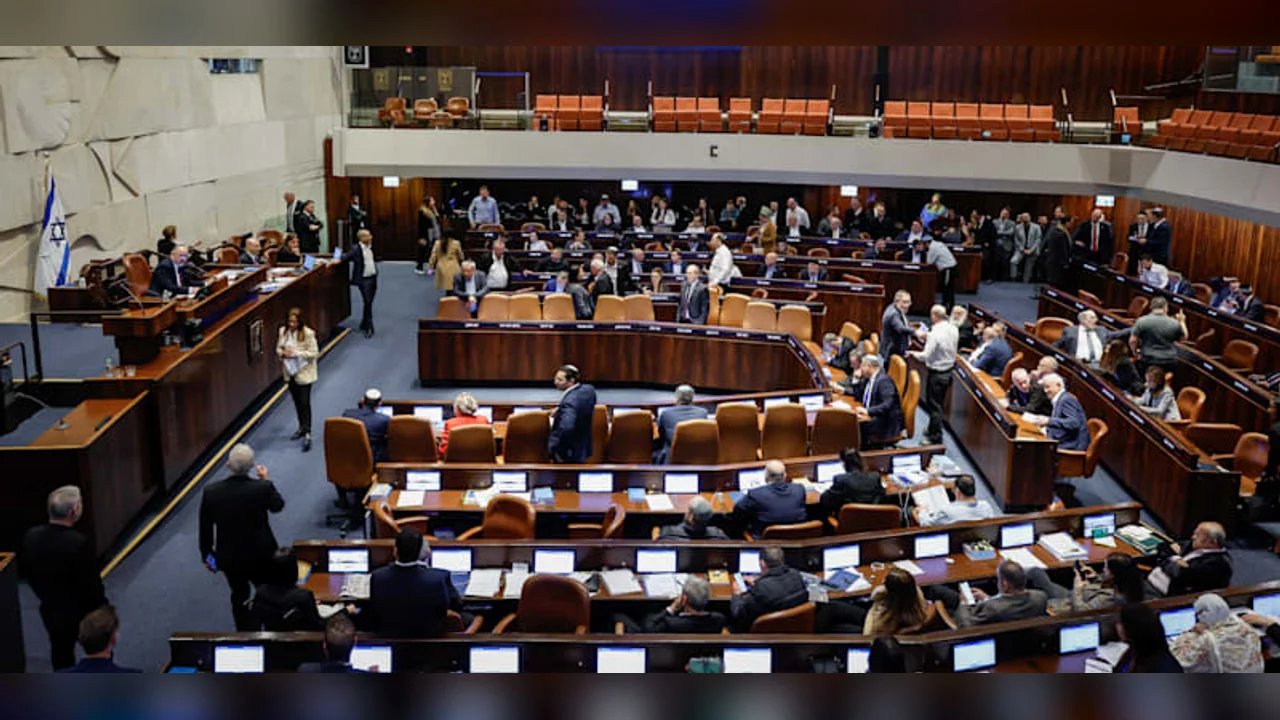
A heated debate on IDF personnel and manpower issues took place in the temporary Knesset Foreign Affairs and Defense Committee, headed by MK Avigdor Lieberman, with the participation of IDF Manpower Directorate Head, Major General Dado Bar Kalifa. The session brought lawmakers face-to-face with representatives of military service organizations, including Guy Zaken, a reservist who served as a D9 bulldozer operator in Gaza and whose active service was frozen after 187 days due to psychological trauma.
Reservist Pleads for Lift on Service Freezes
Zaken passionately urged the committee to rescind the military's policy of freezing reserve duty for soldiers recovering from invisible wounds. "We have many soldiers whose service is frozen, and it harms us deeply," Zaken told the panel. He described the immense difficulty of reintegrating into civilian life after extended combat operations in the Gaza Strip. "We cannot heal out here after what we went through in Gaza. Give us back our D9 bulldozers and our uniforms, I am fine there. Out here, I cannot bear to hear these things and see everyone." Zaken claimed that thousands of reservists face similar struggles, adding that many suffer in silence.
Addressing Major General Bar Kalifa directly, Zaken implored leadership to reconsider the restrictions. "Release us from these freezes, I am begging you, Dado. We are not mentally ill, we just want to fight. Bring us back to combat, you are burying us alive," he said, further raising concerns over the psychological toll on returning troops.
IDF Command Responds to Personnel Welfare
Responding to the testimonies, Major General Bar Kalifa acknowledged the gravity of the issues raised during the committee hearing. "I am leaving here armed with critical information. The pain voiced here requires us to focus specifically on two populations: our wounded soldiers and our career personnel," Bar Kalifa stated.
"We need to do more for the wounded and be there for them. Bereaved families meet us on fixed calendar dates, but the wounded are sometimes forgotten. This is a problem we take to heart."
Bar Kalifa also highlighted the immense strain placed on career officers and NCOs over extended periods of conflict. He stressed that regular service members often spend years away from their families, facing unique pressures that require expanded support, heightened compensation, and broader institutional rights.
Political Appeal and Memorial Reflections
Towards the end of his testimony, Zaken turned his focus to political developments, invoking the memory of his fallen comrade Eliran Mizrahi, who took his own life following extended reserve service. Directing his remarks to committee chair Avigdor Lieberman, Zaken appealed for unity and political stability.
"Avigdor, please, do everything you can so they do not form this difficult government," Zaken pleaded, urging leaders to prioritize the welfare of combat veterans over political maneuvers. Major General Bar Kalifa concluded by stating that the powerful testimonies delivered during the session would directly shape the military's ongoing policies regarding personnel support.