Religious Education Networks Push for Broad Autonomy and Coalition Funding
Major religious education networks in Israel have proposed sweeping autonomy and baseline budget integration for state-religious schools in upcoming coalition agreements. Critics warn the plan exacerbates existing funding disparities.
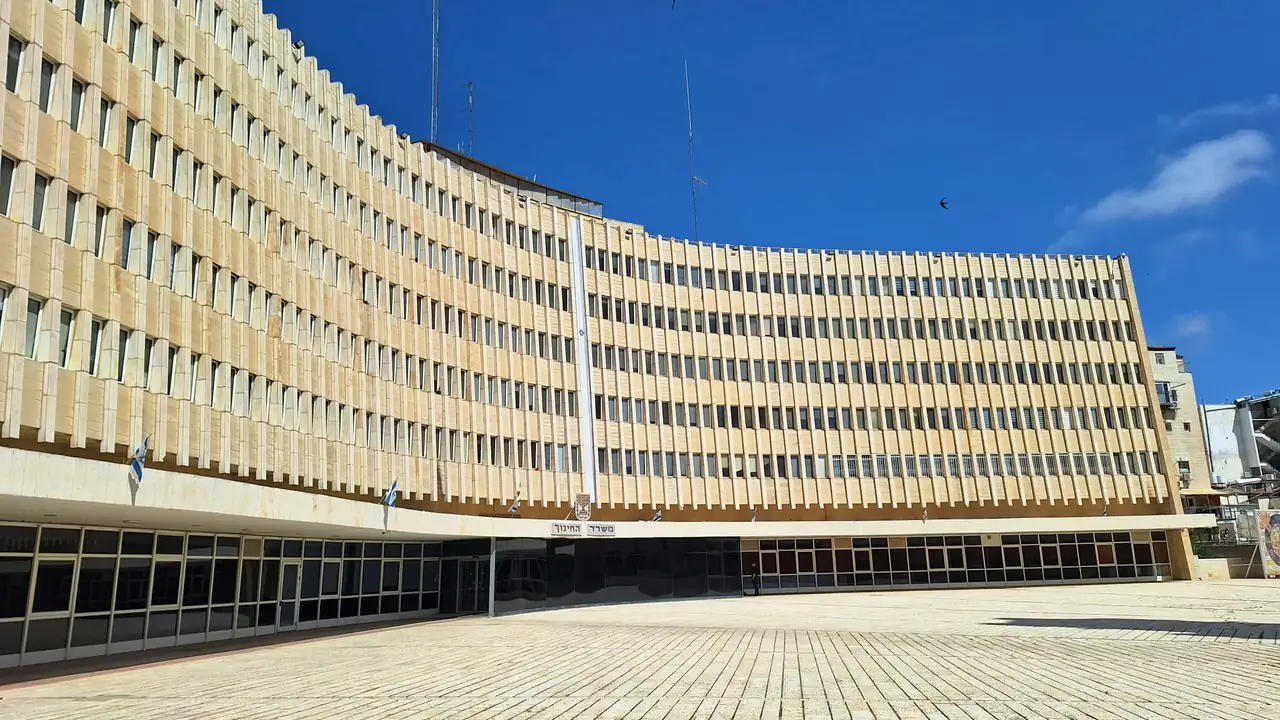
Major religious educational networks in Israel, including Noam-Tzvia and Bnei Akiva, have drafted a comprehensive proposal titled "Plan for Strengthening State-Religious Education in Israel" to be embedded into future coalition agreements. The initiative seeks to significantly expand the autonomy of the State-Religious Education administration (known as Hachamach) while keeping it within the public education framework.
According to the document, the networks propose appointing a dedicated Deputy Education Minister for religious education and elevating the head of the Hachamach administration to Deputy Director-General of the Ministry of Education. Under the plan, this official would hold veto power over curricula, educational policies, pedagogical decisions, and the appointment of teaching staff. Additional demands include appointing a specialized legal adviser for the religious education sector and establishing permanent representatives within various ministry departments.
On the budgetary front, the networks demand that funding for religious studies and Torah activities be integrated directly into the Ministry of Education's baseline budget, eliminating reliance on shifting coalition funds and discretionary grants. The program outlines an addition of two weekly hours per class from grades one to twelve for prayer and Torah studies, the allocation of 6,000 annual hours for Torah tutoring, and 500 additional national service positions. Furthermore, Halakha and Torah observance education would become mandatory specialized tracks starting from the seventh grade.
The proposal also incorporates funding for encounters between students from state-religious, secular state, and independent ultra-Orthodox educational streams. These visits would occur up to once a month in participating high schools accompanied by teachers. Additional provisions include increased funding for small institutions, expanded support for hesder yeshivas and ulpanot, and restrictions on school operators, ensuring that bidding organizations must have at least 75 percent of their institutions under Hachamach supervision.
Critics of the plan have raised concerns over existing budget disparities. Itamar Kramer, head of the State Education Watch, criticized the demands by noting that Ministry of Education data already shows a significant funding gap. He stated that a student in the state-religious system receives approximately 10,000 shekels more annually than a student in the secular state education system. Kramer emphasized that his organization does not seek to cut religious education budgets, but rather to level the playing field upward by ensuring equal resources and management for state education.