Inspector Rejects Rehovot Dental Clinic's NIS 1M Demand to Join Tama 38
The Land Registration Inspector rejected a Rehovot dental clinic's demand for over one million shekels to join a Tama 38 project, ruling that paying commercial property taxes does not legalize unauthorized business use in a residential building.
The Land Registration Inspector has dismissed a demand by Rehovot dental clinic owners for more than one million shekels in compensation as a condition for joining a Tama 38 urban renewal project, approving the demolition and reconstruction initiative without additional conditions.
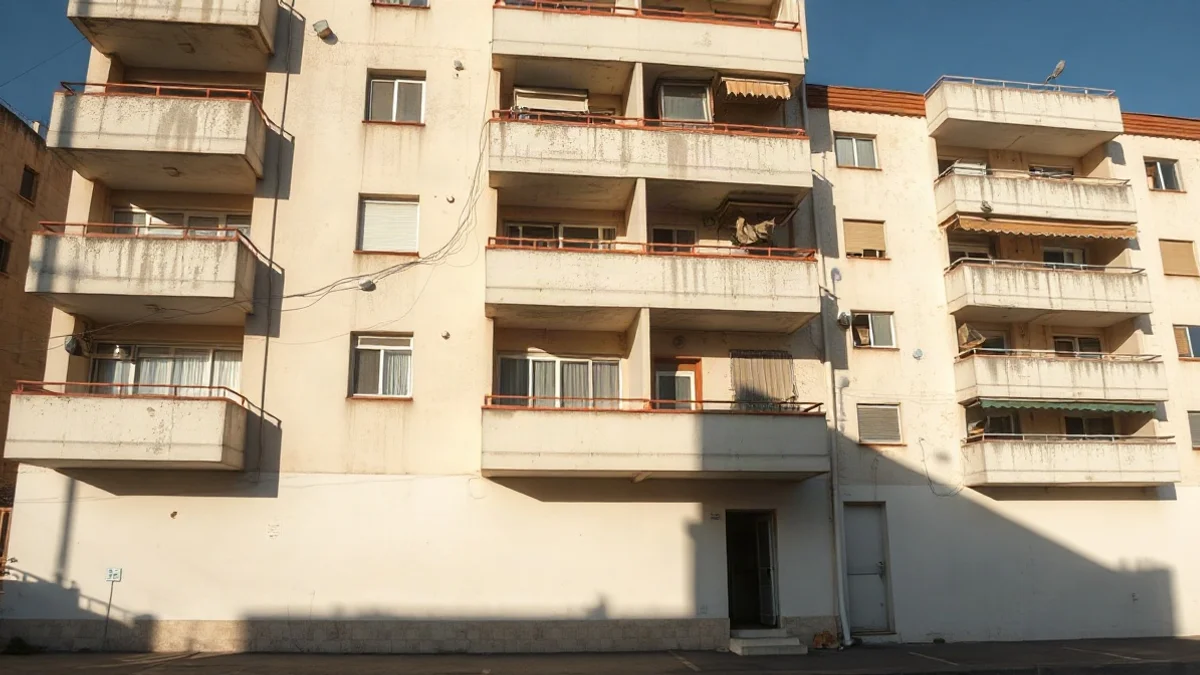
The dispute arose after 13 out of 14 apartment owners in the building signed an agreement for a Tama 38/2 demolition-and-construction project. The ground-floor apartment owners, who operated a dental clinic on the premises for decades, refused to join the initiative, arguing that they invested approximately two million shekels in the property and required financing to establish an alternative clinic because the demolition would disrupt their livelihood. Under the developer's agreement, the objectors were offered a new apartment that is 15 square meters larger than their current unit, complete with a balcony, a secure room, and a parking space.
The objecting owners argued that their business was well-known to the neighbors and the developer, and that they paid commercial municipal property taxes to the municipality. However, the Inspector ruled that paying municipal taxes does not constitute a legal permit for commercial use, clarifying that forcing the project to finance a business operating without a permit would grant an unfair economic advantage to those utilizing a property unlawfully while harming neighboring residents and undermining the project's viability. Furthermore, the professional appraisal submitted by the clinic owners was rejected after failing to demonstrate that they were being offered lower compensation relative to the other residents.
Analyzing the ruling, attorney Yonatan Hayat from Gindi Caspi & Co. explained that the unique nature of a business does not replace legal and appraisal proof of entitlement to supplementary compensation, and certainly does not retroactively legalize unlawful use. At the same time, Hayat noted that the decision leaves room for exceptional cases involving demonstrated good faith, justifying circumstances, and appropriate appraisal opinions, meaning it does not entirely rule out compensation for business owners operating within residential apartments.