Tel Aviv Appeals Committee Upholds Residential Tax on Unfinished Shells
The Tel Aviv District Appeals Committee ruled that buying an unfinished semi-detached property under an existing construction contract constitutes a residential apartment purchase, upholding standard purchase tax rates.
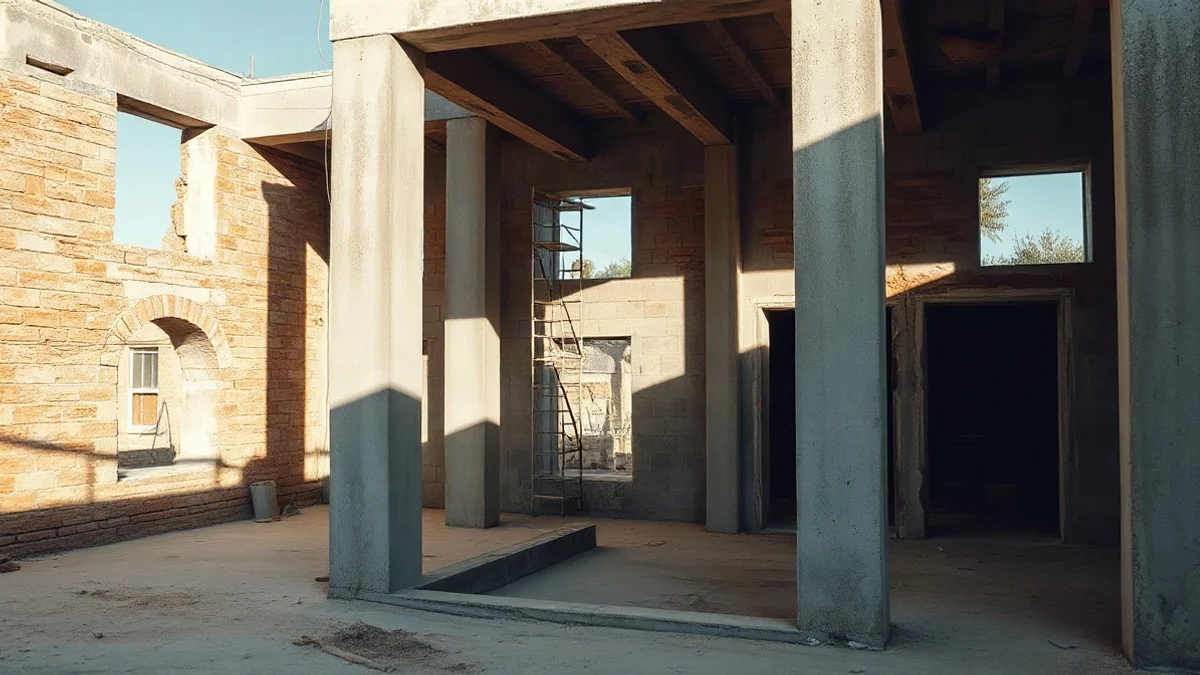
The Tel Aviv District Appeals Committee, chaired by Judge Harry Kirsh, has unanimously dismissed an appeal regarding the purchase tax classification of a semi-detached property under construction. The buyers had argued that the transaction involved an incomplete shell rather than a residential apartment, seeking a reduced 5% purchase tax rate. However, the Hadera Land Taxation Authority classified the properties as residential apartments, applying the higher tax brackets for additional properties.
The case revolves around a property acquired by sellers Roni Biton and Yuval Aharon, who obtained permits to demolish an existing structure and build a new semi-detached house. They contracted construction companies for projects valued at approximately 4 million NIS each. Subsequently, the rights were sold to David and Einat Sharvit along with Abraham and his partner for a declared consideration of 5 million NIS per property. Under the sales contract, the buyers stepped into the shoes of the original sellers regarding existing construction agreements, assuming an existing construction debt of 1 million NIS per unit alongside future completion costs.
Legal Interpretation of Residential Units
The central legal dispute focused on whether the transaction constituted the acquisition of a bare structural shell or a residential unit under construction. The appellants maintained that purchasing a shell without a direct completion guarantee from the seller should exempt the property from standard residential apartment taxation. Conversely, the tax authority argued that the transfer of the comprehensive contractual framework effectively constituted the purchase of an off-plan apartment.
Judge Kirsh reviewed existing legal precedents, noting that the critical legal threshold depends on whether the seller transferred a complete bundle of rights including an enforceable obligation to finish construction. Since the buyers inherited an ongoing contracting arrangement rather than organizing independent construction services from scratch, the transaction's economic substance equated to a residential apartment purchase. Furthermore, the committee noted that the vast majority of funds—approximately 14.5 million NIS—were paid directly to the individual sellers rather than the contracting firms, reinforcing the conclusion that buyers acquired a complete residential package.