Supermarket Tycoon Rami Levy to Testify in Victory Antitrust Trial
Supermarket owner Rami Levy is set to testify Wednesday in the antitrust trial against Victory CEO Eyal Ravid. Prosecutors seek his perspective on market pricing dynamics amid allegations of improper retail price coordination.
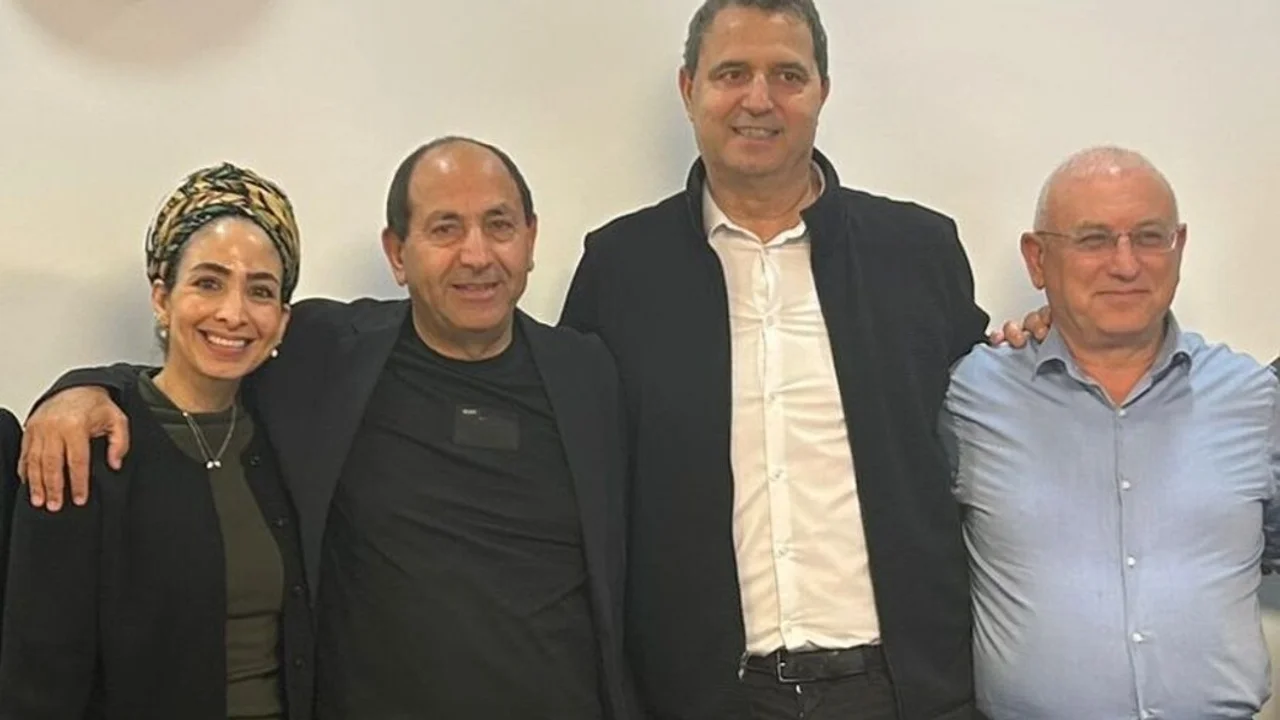
Rami Levy, owner of the supermarket chain bearing his name, is scheduled to testify Wednesday at the Lod District Court as a prosecution witness in the antitrust trial against Victory CEO Eyal Ravid and the retail chain. Levy, who is not a defendant in the case, was previously investigated during the broad inquiry, but the investigation file against him was closed. The prosecution has now called him to provide his perspective on market conduct and pricing strategies within his own network.
The indictment was filed in February 2025, with evidentiary hearings getting underway in June 2026. According to the Israel Competition Authority, Ravid and Victory allegedly attempted to influence market price trends through public statements, alleged understandings with competing chains, and communications with suppliers. Certain charges center on allegations that Ravid sought to interfere with consumer pricing set by rival chains for products supplied by Dr. Fisher, Schtavit, and Beit HaShita.
Origins of the Antitrust Case
The case stems from the widespread price hikes of 2021. One of the counts involves public statements made by Ravid regarding anticipated price increases, which regulators argue served to signal other market players. Additional charges address alleged understandings concerning promotional campaigns and profit margin maintenance. The indictment initially comprised seven counts, though the court subsequently dismissed the seventh count, which pertained to alleged supervisory failures.
At the heart of the evidentiary material are specific communications regarding Dr. Fisher products. According to the indictment, after the supplier sought to raise wholesale prices, Ravid approved the hike at Victory and subsequently contacted Eli Shany, a senior executive at the supplier, regarding pricing at Rami Levy's chain. Ravid noted that he had already raised prices while Levy had not yet done so. Shany replied that other chains were expected to adjust their prices in the coming days. Prosecutors maintain these exchanges point to an attempt to influence competitor pricing via a supplier.
Wholesale versus Retail Pricing
A critical distinction in the case involves wholesale pricing versus final retail prices. The price a supplier charges a supermarket constitutes the retailer's purchasing cost, whereas the shelf price is independently determined by each retailer. While suppliers may negotiate purchase prices with individual retailers, the Food Law strictly prohibits a retailer from attempting to influence a competitor's consumer shelf price through a supplier.
During earlier hearings, Shany testified that Dr. Fisher's requested price increase applied across the board, though the decision to pass those costs on to consumers rested entirely with each individual chain. The court will ultimately need to determine whether the disputed conversations constituted legitimate negotiations over Victory's wholesale purchasing costs or an improper attempt by Ravid to manipulate competitor retail prices. Following Levy's testimony, the evidentiary phase will continue as both prosecution and defense present proofs and cross-examine witnesses ahead of the court's final ruling.