Ramat Gan Freezes Bus Terminal Project to Weigh Preservation of Ancient Find
Ramat Gan's Winter Stadium archaeological site faces a temporary freeze as authorities weigh plans to preserve a 1,300-year-old Early Islamic commercial complex instead of burying it under a planned bus terminal.
A significant turning point has emerged regarding the fate of an extraordinary archaeological discovery uncovered at the Winter Stadium parking lot in Ramat Gan. Originally slated to be covered over with asphalt to make way for a bus terminal and parking lot, the site is now facing a temporary freeze for planning and reassessment, with proposals under review to integrate the antiquities into an urban square or an archaeological park.
Over recent months, public debate has intensified surrounding the site, where preliminary excavations by the Israel Antiquities Authority revealed a well-planned, organized commercial and industrial complex dating back some 1,300 years to the Early Islamic period, spanning the 7th to 9th centuries CE.
The findings feature a network of straight, intersecting streets, drainage systems, a potter's kiln, and approximately 12 shops and warehouses, alongside an abundance of coins, oil lamps, and bronze and iron implements. Traces of a later settlement from the 10th century were also uncovered, including residential dwellings and clay baking ovens, known as tabuns.
Original Plan: Covering the Antiquities
The archaeological excavations were conducted as preliminary salvage digs ahead of the construction of a bus terminal and a large parking lot by the Ayalon Highways company. According to the original blueprint, the findings were to be fully documented and then re-buried beneath protective soil. This measure was designed to safeguard the antiquities against weather damage and destruction while permitting asphalt paving and the continuation of terminal construction overhead.
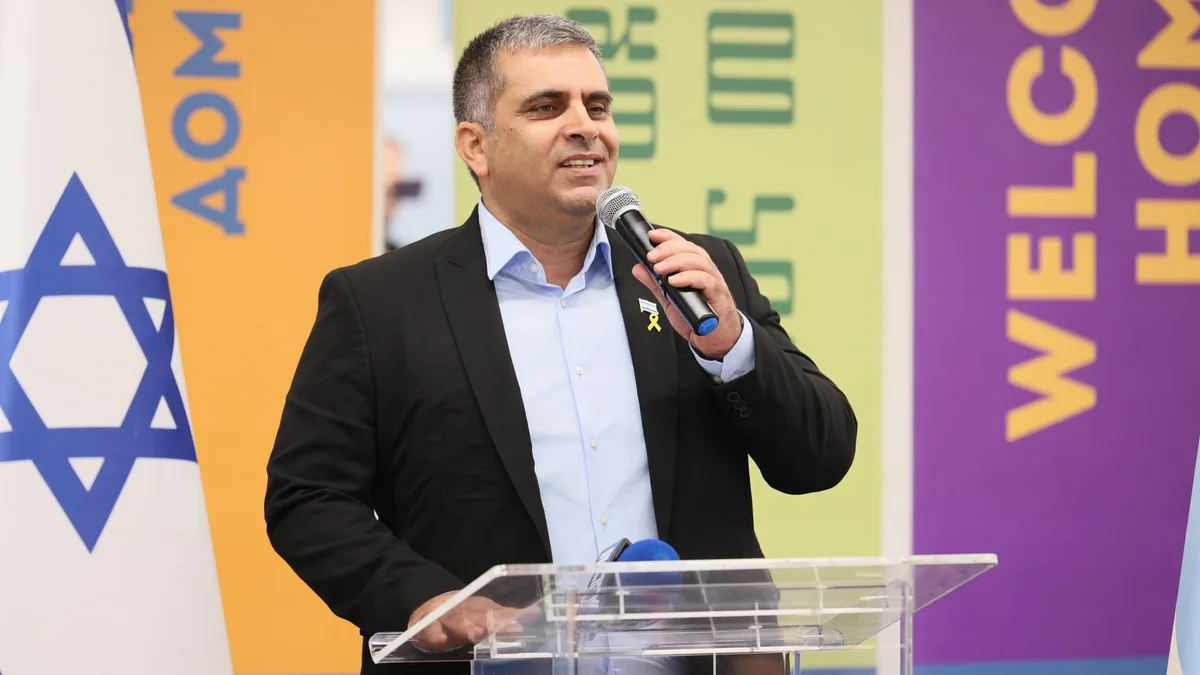
However, the scheme drew fierce opposition from the Ramat Gan Municipality. Mayor Carmel Shama Hacohen dispatched an urgent letter to Minister of Transport Miri Regev and Heritage Minister Amichai Eliyahu, demanding an immediate freeze on development works and a review of the bus terminal's location.
Shama Hacohen warned that burying a complete historical complex beneath layers of asphalt would constitute an irreversible error and a tragedy for future generations. He argued that alternative public land plots were readily available in the area, allowing the terminal to be shifted without compromising transportation needs or incurring land expropriation costs.
The Mayor's Vision and Public Criticism
The mayor presented a vision to transform the compound into an open archaeological museum accessible to visitors, declaring that the municipality was prepared to take a significant financial stake in the project. He noted that public interest was already palpable, with thousands of residents registering within minutes for trial tours of the site.
«Burying this unique historical complex under asphalt would be an irreversible error and a tragedy for future generations», warned Ramat Gan Mayor Carmel Shama Hacohen.
Conversely, dissenting voices criticized the mayor's handling of the affair, characterizing his public letter as a media spin. According to these sources, the statutory body authorized to manage antiquity sites and order work stoppages is the Israel Antiquities Authority, meaning that appeals should have been pursued through standard channels with district representatives and authority management rather than public ministerial letters and press releases.
In response to inquiries, the Israel Antiquities Authority stated that the ultimate decision regarding the site's future would rest with the entities funding the excavation: Ayalon Highways and the Ministry of Transport.
Exploring Alternatives for Preservation
Following the appeals, public pressure, and ministerial intervention, a reassessment is now underway to formulate an agreed-upon framework.
Representatives from the Ministry of Heritage reported that Minister Amichai Eliyahu instructed the Israel Antiquities Authority to convene an urgent working meeting with delegates from the Ramat Gan Municipality and Ayalon Highways. The objective is to evaluate solutions that would enable both the preservation and public access of the archaeological findings alongside the required transport infrastructure.
Professionals have been directed to examine several engineering alternatives. Options include leaving the antiquities exposed and incorporating them into an urban square or an archaeological park without entirely canceling the Ayalon Highways infrastructure project. Another alternative under review involves geometric modifications to the terminal's layout.
At present, the site remains temporarily frozen for planning and decision-making, as representatives from the involved bodies seek to bridge Gush Dan transportation demands with the preservation of the ancient heritage site.