Purple Card Makes Debut at U-17 World Cup in Qatar Allowing Coach Reviews
FIFA's U-17 World Cup in Qatar has introduced a purple card system allowing coaches to initiate video reviews. During the Serbia-Honduras match, a coach used the card to prompt a VAR review.
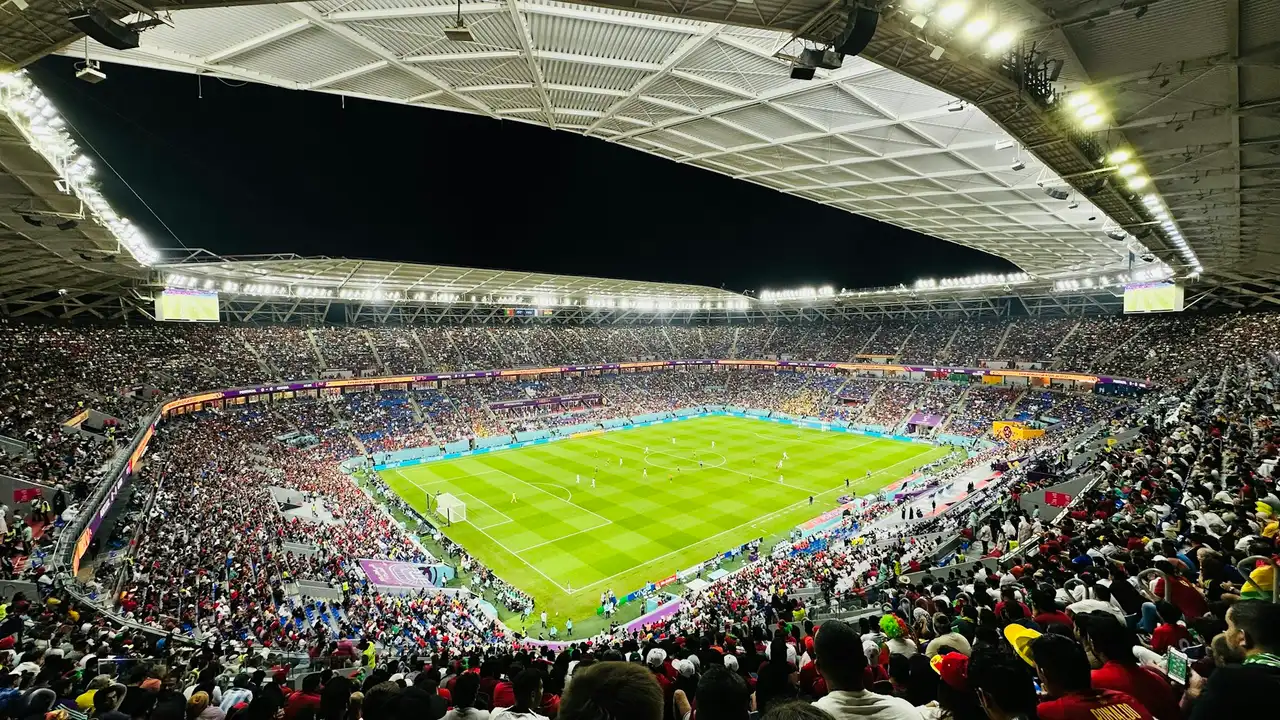
A new experimental refereeing protocol made its debut at the FIFA U-17 World Cup in Qatar, introducing a purple card that allows team coaches to formally request video reviews during matches. During the 24th minute of the group stage match between Serbia and Honduras, Honduras head coach Marling Paz raised a purple card following an altercation between Vukašin Đurđević and Mayck Arana. Paz requested that referee Willie Delaj check the incident for a potential straight red card. The official consulted the pitchside monitor and ultimately opted to caution Đurđević with a yellow card, allowing him to remain on the pitch.
How the Football Video Support System Works
The purple card is part of FIFA's Football Video Support, or FVS, system. Unlike traditional VAR setups overseen by a dedicated video assistant referee team, the FVS protocol empowers coaching staffs to initiate reviews directly. The main referee then views the replay personally to make the final determination.
Each team is allocated two review requests per match. If the referee changes their original decision based on the coach's challenge, the team retains that review allowance. The system can be deployed across four specific match scenarios:
- Goals: reviewing incidents leading up to a scored goal.
- Penalty kicks: checking whether a penalty should be awarded or overturned.
- Direct red cards: assessing severe fouls or violent conduct.
- Mistaken identity: correcting cautions or send-offs given to the wrong player.
Broader Experimental Rules in Global Football
The implementation in Qatar highlights ongoing testing by FIFA and local organizers, with match officials receiving specific pre-tournament briefings on the protocol. Meanwhile, other rule changes are currently being trialed in different international competitions.
In England, authorities are testing a protocol regarding goalkeeper injuries. If play is stopped for a goalkeeper injury or treatment on the pitch, one of the team's outfield players must leave the field for one minute after play restarts, aiming to curb tactical time-wasting and momentum-breaking stoppages. Additionally, the International Football Association Board reported that offside trials are ongoing in the Canadian league, alongside discussions regarding simplified coin-toss procedures ahead of penalty shootouts.