Israel Unveils National Plan to Rescue Crisis-Hit Public Transport Sector
Israel's public transport faces a severe shortage of 5,000 bus drivers and harsh working conditions. A new national strategic plan proposes wage floors, retention bonuses, security upgrades, and targeted recruitment to rescue the collapsing transit sector.

Public transport passengers in Israel face daily disruptions, including cancelled routes and unreliable schedule updates, driven by an unprecedented workforce crisis. The sector lacks at least 5,000 bus drivers, with 60% of active drivers having less than ten years of seniority. High attrition rates stem from heavy workloads, grueling conditions, and rising road risks. Drivers frequently log 207 to 230 hours monthly amidst severe traffic congestion. Israel maintains a ratio of roughly 1.4 drivers per active bus, compared to nearly two in developed nations. Escalating violence against drivers further damages the profession's image.
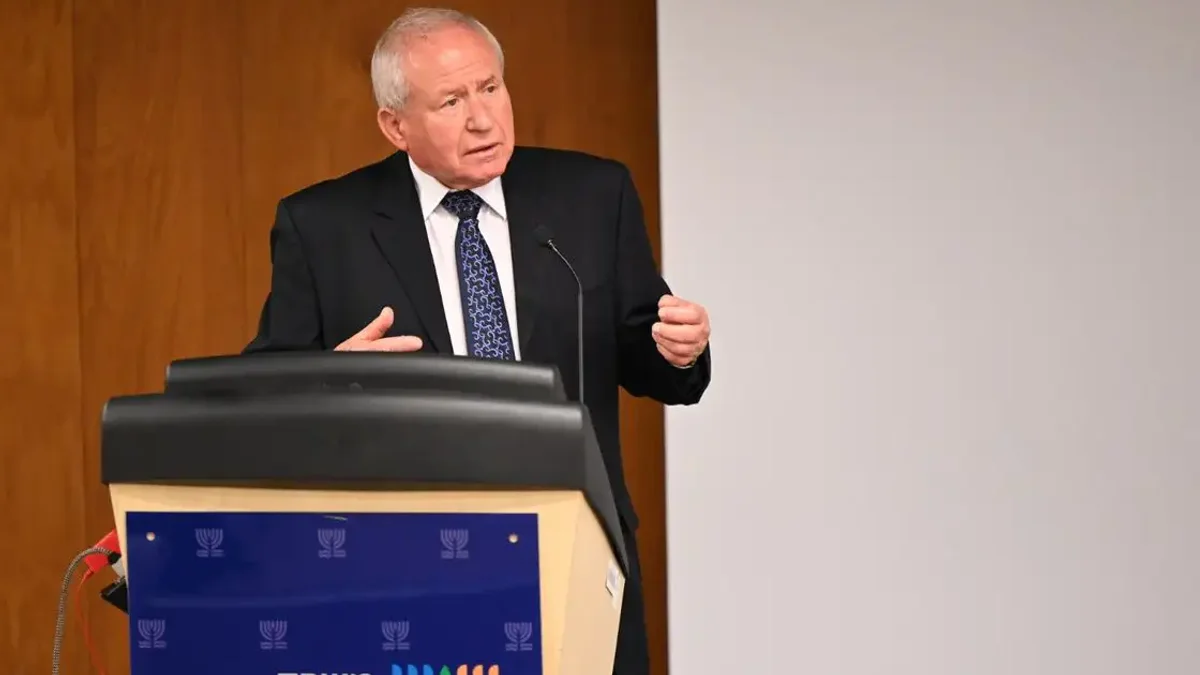
To rescue the sector, Transportation Authority Director Idan Moalem unveiled a comprehensive national strategic plan, submitted to Transport Minister Miri Regev and Finance Minister Bezalel Smotrich. The proposal restructures employment terms to restore the profession's appeal. A core element establishes a uniform sectoral wage floor of 55.18 NIS per hour for starting drivers, alongside a 6 NIS hourly retention bonus, adding up to 1,300 NIS monthly for full-time work. Seniority additions and technological excellence bonuses of up to 10% are also included.
Security and Working Conditions
The plan addresses personal security by installing rigid protective partitions in urban and intercity buses, connecting emergency buttons and panoramic cameras directly to real-time control centers, and amending legislation to classify drivers as public servants. Welfare improvements include air-conditioned rest facilities at terminal points and reduced working hours for drivers over 50 without wage cuts. Strategic recruitment paths target the ultra-Orthodox public and discharged soldiers, offering accelerated training and stable earnings of 15,000 to 17,000 NIS monthly.
Budgetary Hurdles and Economic Returns
Implementing the plan requires an additional budget of approximately one billion NIS for 2027. Economic analysis demonstrates that reducing traffic jams, accidents, and retraining costs will yield over two billion NIS annually for the economy. However, the path to implementation faces significant political and budgetary obstacles amid broad state budget cuts and upcoming elections. Transportation Authority Director Idan Moalem emphasized that quality public transport is impossible without valued, protected, and properly rewarded drivers, making the national plan an absolute necessity for millions of commuters.