Navigating Flood Damage Claims and Determining Liability for Property Owners
Property owners facing flood damage must navigate insurance claims and liability issues. Proper documentation, policy reviews, and infrastructure assessments determine compensation.
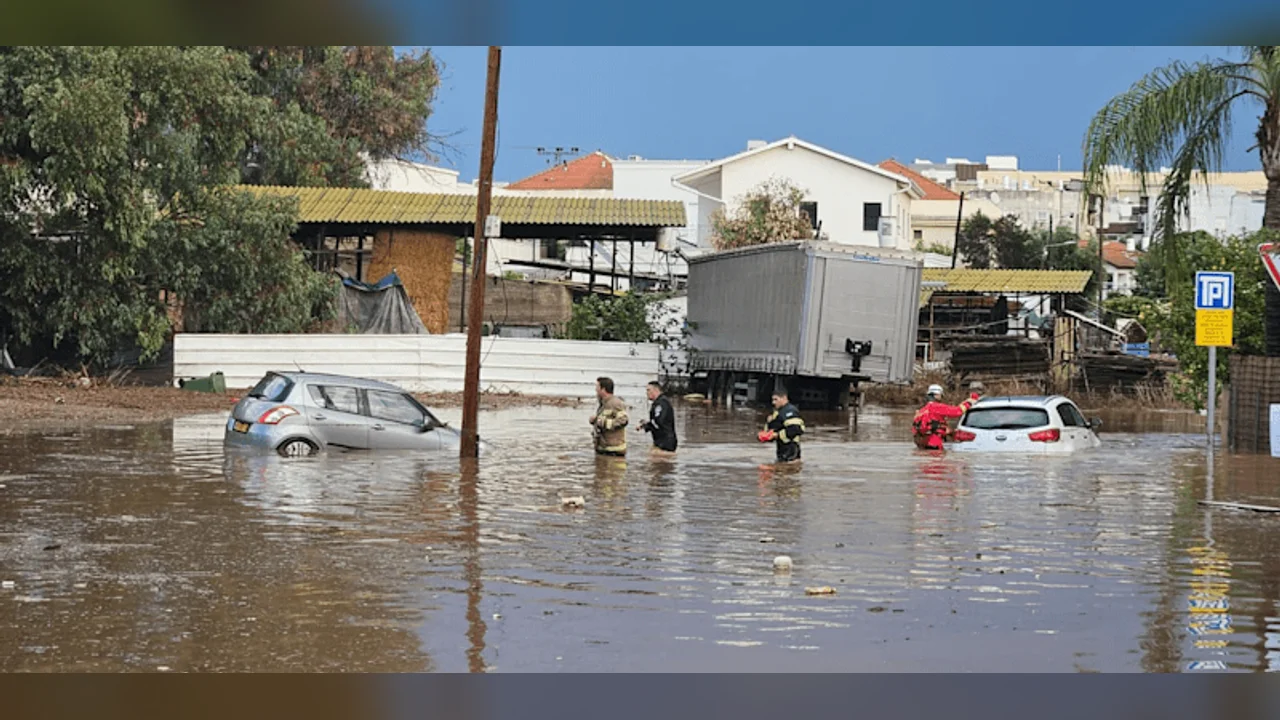
Property owners and business operators waking up to water damage after heavy rainfall face immediate financial and legal questions. Determining whether insurance covers the losses requires examining the exact path the water took, while assessing potential municipal or infrastructure liability depends on identifying which drainage system failed.
The investigation into liability begins by tracing the water's movement. Investigators check whether water accumulated on the road and spilled inward through the door, cascaded down a ramp into a parking facility, or pooled in a courtyard due to a private drainage failure. This analysis points toward the local municipality, a regional drainage authority, or the property management responsible for the specific site. When multiple infrastructures contribute to an event, multiple entities may share responsibility for the resulting damage.
Negligence and Infrastructure Assessment
Negligence claims evaluate whether existing infrastructure matched local environmental conditions, received reasonable maintenance, and whether specific structural defects contributed to the flooding. Blocked drainage catchpits, recurring floods at identical intersections, and prior calls logged with municipal emergency centers serve as crucial evidence. Experts also examine rainfall volume and intensity alongside topographical conditions to determine how the area would have reacted had the drainage systems operated correctly. In complex disputes, professional engineering assessments bridge the gap between observed site conditions and the root cause of the flood.
Legal precedent underscores that the specific location of property damage represents only the starting point for establishing accountability. Landmark rulings by the Supreme Court regarding winter floods in the Haifa Bay and Zevulun Valley regions highlighted the complex division of responsibilities among local authorities, drainage boards, and state bodies. Identifying the liable party requires isolating which specific system malfunctioned and who held administrative duty over it.
Navigating Insurance Policies and Coverage Limits
Standard home insurance policies typically include coverage for floods or inundations originating from external water sources, subject to specific policy terms. Crucially, policies distinguish between street water overflowing into a property versus rainwater leaking directly through exterior walls or roofs, with the latter usually excluded from standard wind and rain coverage. Property owners must verify whether their policies cover the physical building, its contents, or both. In rental scenarios, a landlord's building insurance and a tenant's contents insurance address separate segments of the same flooding incident.
Commercial policies require rigorous examination to verify whether flood coverage exists, which inventory items and equipment are protected, and what financial caps apply. Businesses forced to halt operations should check for business interruption insurance, as standard property damage coverage does not automatically compensate for lost revenue incurred during closures.
Practical Steps and Documentation
Property owners should immediately document the disaster zone once conditions are safe. Key evidentiary steps include:
- Photographing the flooded street, water entry points, maximum water depth levels, and damaged inventory or furnishings.
- Preserving service call reference numbers logged with municipal hotlines.
- Reporting incidents to insurers promptly and coordinating formal adjuster evaluations.
- Retaining all receipts for emergency remediation services, such as water extraction and industrial drying.
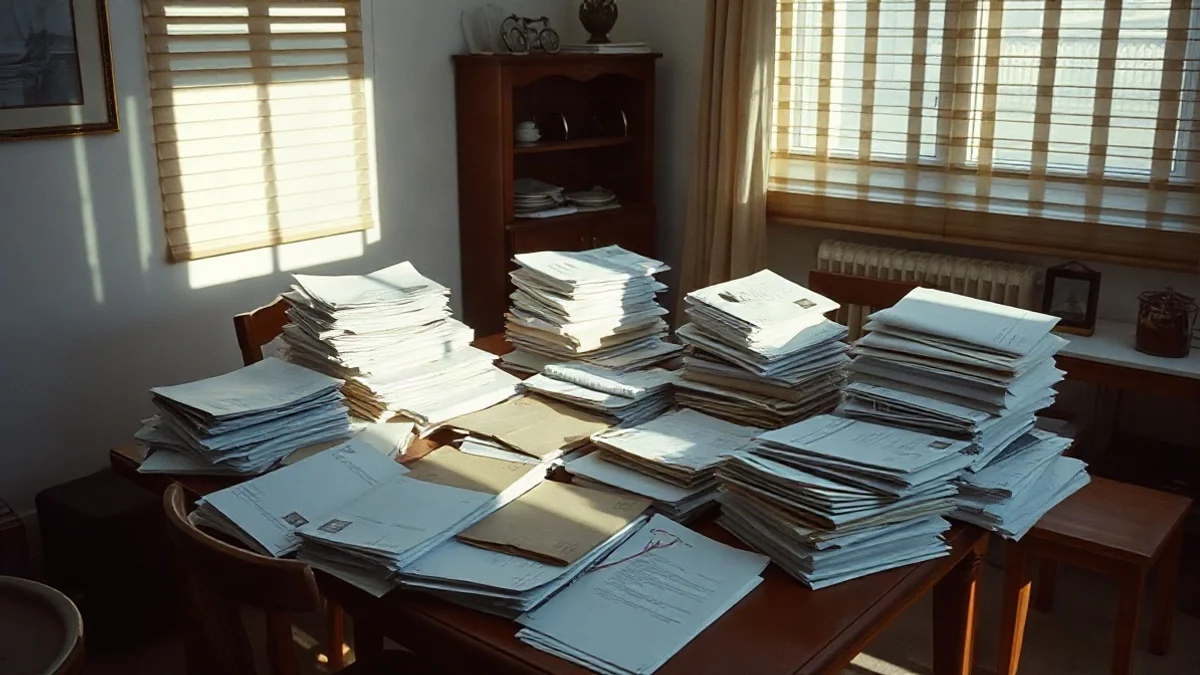
- Compiling detailed inventories of ruined goods alongside purchase invoices or stock registries to substantiate claims.
When insurance companies reject claims or when property damage is extensive without clear liability, seeking specialized legal counsel becomes essential. Experienced attorneys review policy wording, analyze rejection justifications, and collaborate with drainage specialists and loss adjusters to calculate actual losses—ranging from drying costs and structural repairs to inventory destruction and business interruption shortfalls. Thorough evidentiary preparation empowers claimants to challenge insurer denials or pursue targeted legal action against responsible infrastructure authorities.