Police Chief Rejects Officer Participation in Family Reconciliation Ceremonies
Police Inspector General Danny Levi criticized officer participation in Arab sector reconciliation ceremonies following a high-profile event in Lod, echoing inter-ministerial findings on community mediation.
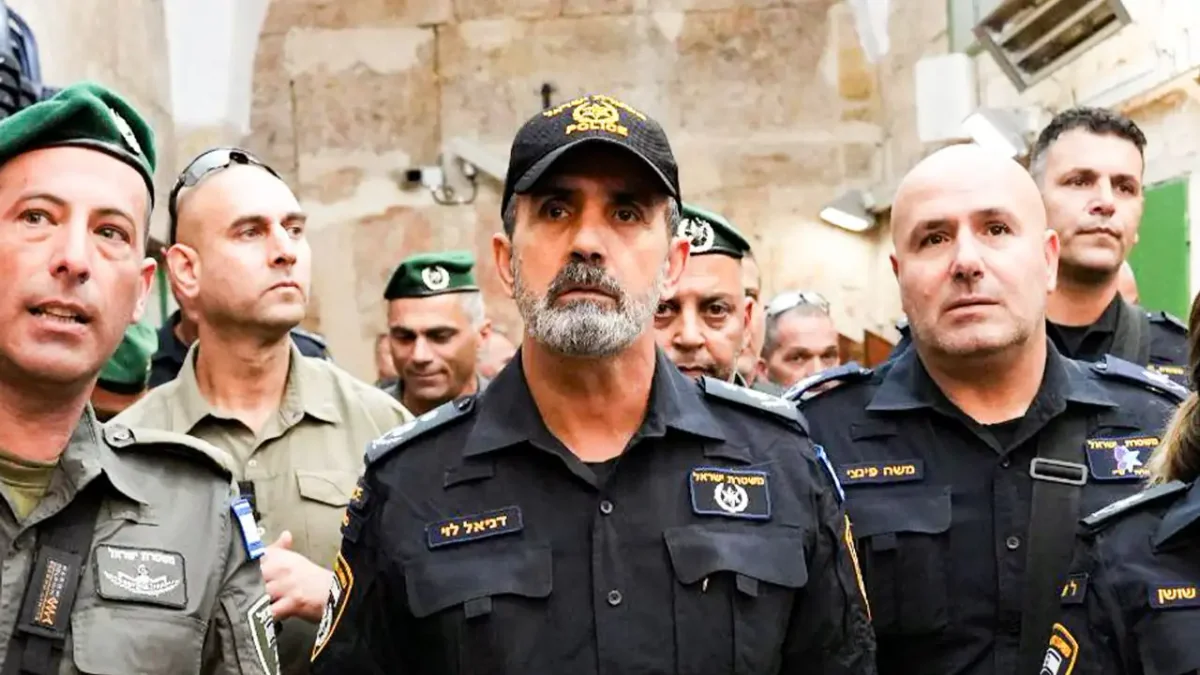
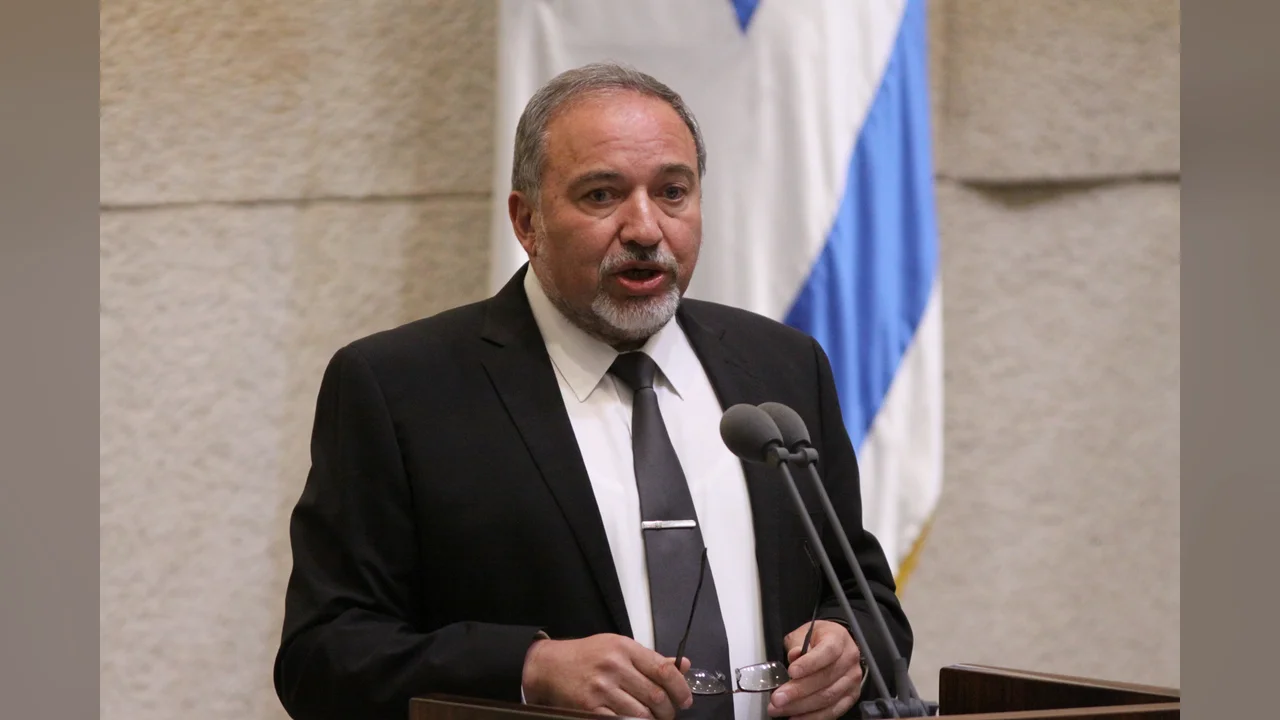
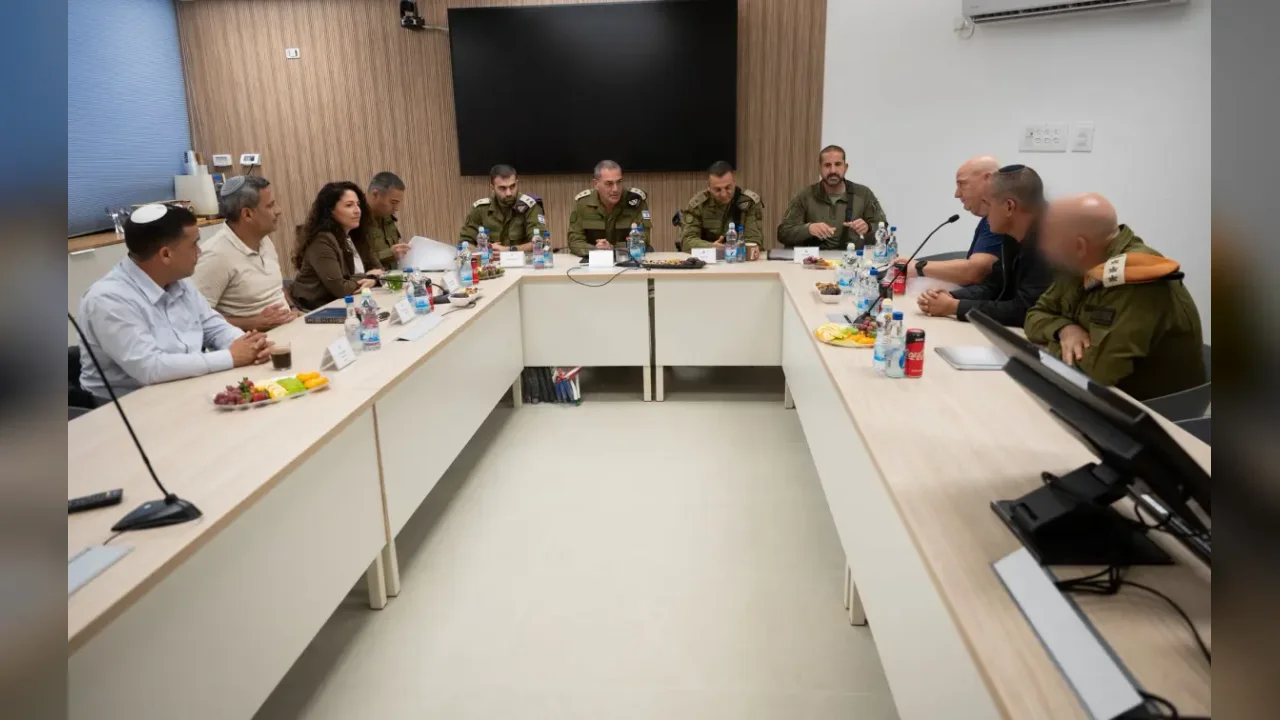
Inspector General of Police, Lieutenant General Danny Levi, strongly criticized the involvement of police officers in traditional reconciliation ceremonies within the Arab sector during a general command staff meeting. Levi stated that it is unacceptable for law enforcement personnel to take part in such events.
Background on the Lod Reconciliation
The remarks followed a reconciliation ceremony held between the Jarushi and Shamali families in Lod, concluding a prolonged blood feud that claimed the lives of more than 40 people. Among the figures leading the reconciliation effort was the Central District's advisor on Arab affairs, who also attended the ceremony. The event, which took place on Saturday at the Zabarka family home in Lod, was also attended by Sheikh Raed Salah and was preceded by a meeting at the Ramla police station. Previous attempts to end the conflict between the families had previously collapsed.
Inter-Ministerial Findings and Legal Stance
The issue of police involvement in communal mediation is not new. An inter-ministerial team report on crime victims in the Arab sector, published in January 2026 with representatives from the Ministry of Justice, the police, the State Attorney's Office, and the Ministry of National Security, addressed active police participation in family reconciliation processes. The report noted that family dispute resolutions sometimes occur with the encouragement and involvement of the police, with officers occasionally submitting affidavits to courts stating that families have resolved conflicts and that police intervention is unnecessary.
The report also documented cases where murders occurred despite prior reconciliation meetings, prompting criticism from public consultation participants who argued that such measures fail to reduce homicides and merely allow cases to be closed. While acknowledging the importance of traditional community peacemaking, the report emphasized that these processes cannot replace law enforcement and must run parallel to judicial action. Furthermore, authors cited Supreme Court rulings establishing that reconciliation agreements are extra-legal tools with minimal weight in sentencing convicted offenders.