Teacher Shortages, Violence, and Gaps: 8 Challenges Awaiting the Next Minister of Education
The school year begins in September, but Knesset elections follow in October. The incoming Minister of Education will face long-neglected issues, ranging from a severe staffing crisis to deep sectoral inequalities.
Tasks for the next Minister of Education: problems beyond just mathematics
The school year will begin in September, but elections for the Knesset will take place at the end of the following month, on October 27. A few weeks later, a new Minister of Education may take office. The current minister, Yoav Kisch, has expressed interest in another term. The incoming minister will have no time to settle in and must immediately address issues that have been neglected for years. Here are the eight main challenges facing the system.
Shortage of teachers: classrooms empty of content
The most acute crisis is in human resources, and it is now qualitative as well as quantitative. Schools are forced to recruit teachers without proper certification, students, or temporary substitutes to keep classes running, which damages the quality of education. This stems from unrewarding starting salaries, severe burnout, and a decline in the status of the profession. The new minister must present a reform plan within the first year.
Drop in achievement and growth in inequality
RAMA tests and international indicators reveal a grim situation: Israeli students show low scores in core subjects like mathematics, sciences, and English. Knowledge and reading fluency are eroding, while inequality in opportunities is deepening. Despite the impact of the Iron Swords war and the pandemic, the minister must formulate a plan to strengthen basic subjects and reduce gaps.
Violence against teaching staff and emotional crises
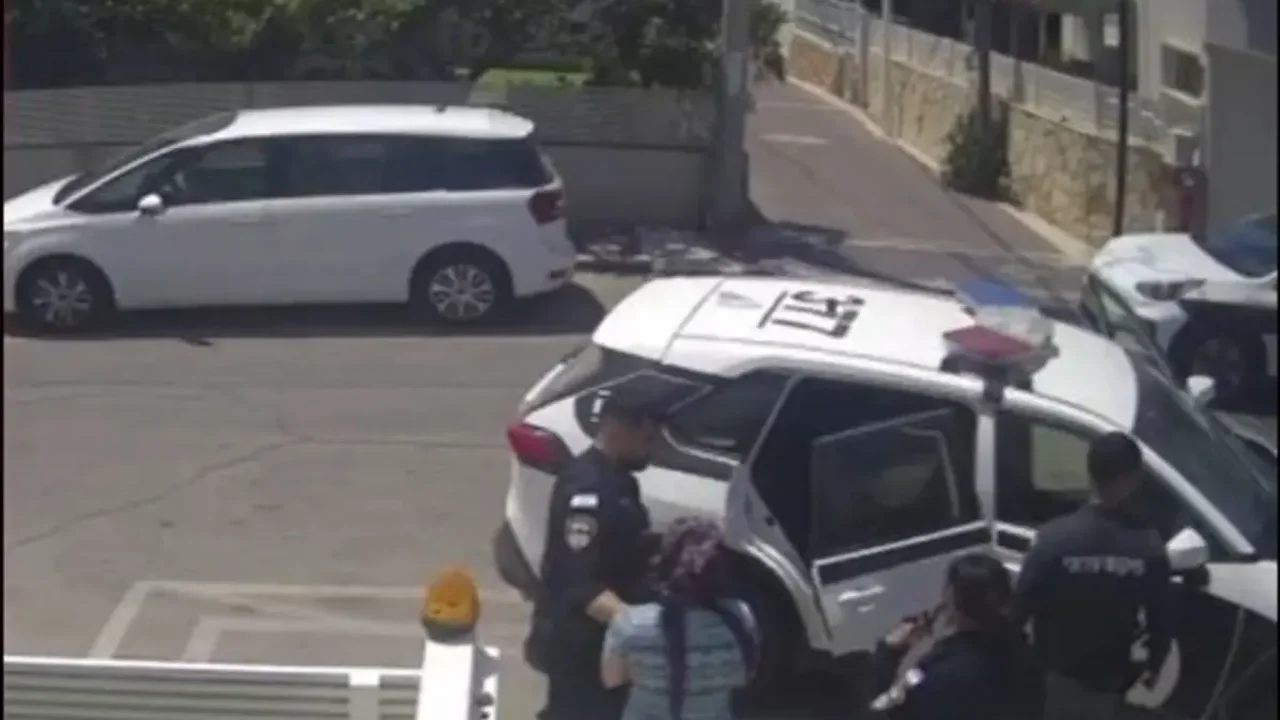
Schools have become a battlefield where the sense of security has plummeted. Teachers and principals face daily threats, curses, and blatant disrespect from students and parents. The government is failing to enforce order or deter such behavior. The minister must draw a red line regarding teacher safety and address the shortage of educational psychologists and counselors.
Four streams: neglect of supervision in the Haredi sector
One in four first-graders this year will enter the Haredi education system. Although these schools are required to teach core subjects, most do not. The Ministry of Education has historically turned a blind eye, and attempts by Yoav Kisch to transfer funds to these institutions were halted by the legal counsel. The new minister must decide how to address the funding of ignorance.
Budgetary discrimination between sectors
Funding distribution is distorted; students in the state-religious sector receive significantly higher budgets than those in the state-Hebrew system. This creates deep frustration and a growing demand for equality. The issue is currently before the Supreme Court, with petitioners seeking to increase hours for state-Hebrew students, a move that would carry astronomical costs.
Hostility between sectors: four separate systems
The Israeli education system is divided into four disconnected streams: state-Hebrew, state-religious, Haredi, and Arab. Students grow up in closed bubbles without exposure to one another, fueling alienation and mutual suspicion. The new minister must expand programs for shared life and interaction between students.
Stagnation from teacher organizations
Teacher unions, led by Yaffa Ben-David and Ran Erez, have become the primary barrier to renewal. Any attempt at reform—such as creating managerial flexibility for principals or basing compensation on excellence rather than seniority—is met with refusal. The system remains stagnant due to constant strike threats and labor disputes.
Collapse of special education
The special education system is in a state of collapse. There is a lack of dedicated frameworks and professionals, such as therapists and speech pathologists. Integration policies in regular classrooms are being implemented without adequate resources. The Teachers' Union opposes integrating more than two special education students per regular classroom without proper support, leaving the new minister to find a viable solution.