5 Surprising Ways to Use Fallen Pinecones in Your Garden This Winter
Discover surprising gardening uses for fallen pinecones, from natural decorative mulch and soil protection to composting aids and rustic plant container styling.
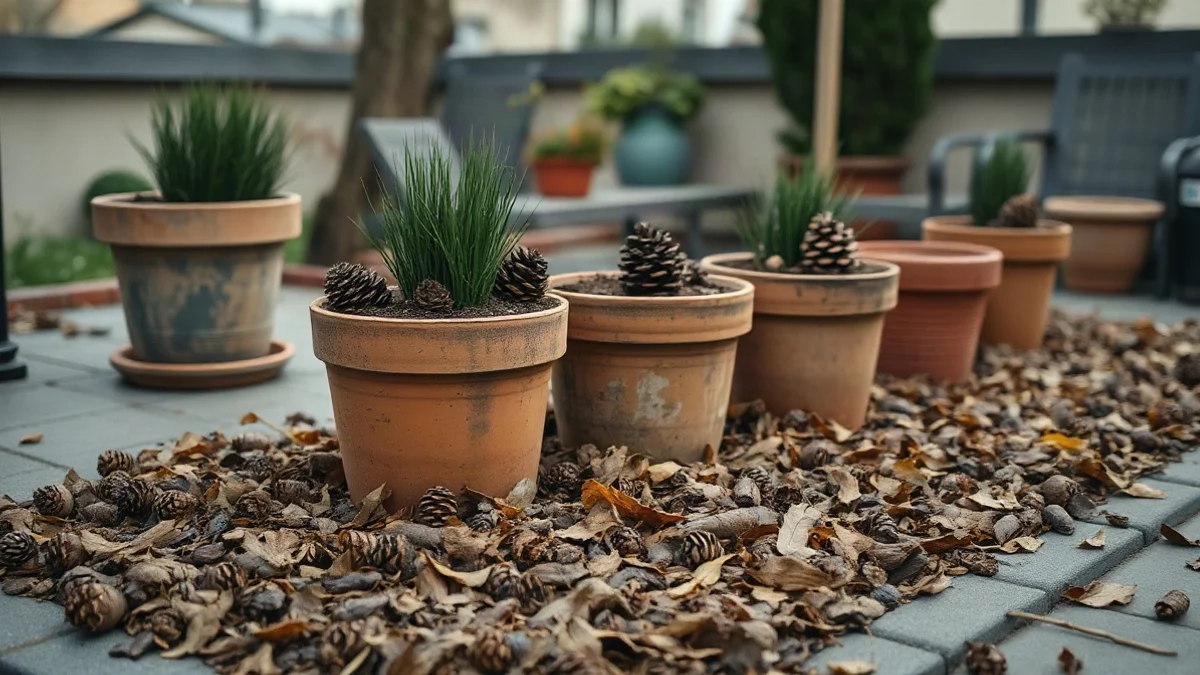
Pinecones scattered beneath trees in parks, groves, and public gardens across the country are frequently overlooked. However, rather than leaving them on the ground, gardening experts point out that these natural treasures offer surprising practical and decorative benefits for home gardeners.
Instead of purchasing expensive commercial mulching materials, gardeners can gather fallen pinecones to cover topsoil. This completely free, natural resource decomposes slowly, serving as both an attractive aesthetic addition and a functional ground cover as winter approaches.
Natural Protective Layer for Potted Plants
One of the simplest applications involves placing pinecones directly onto the soil surface of potted plants or garden beds. They form a protective mulch layer that minimizes soil moisture evaporation, buffers temperature fluctuations, and shields the earth from harsh weather conditions. When winter rains and cold temperatures arrive, this layer helps safeguard the soil in exposed outdoor containers.
Beyond functionality, pinecones provide a rustic, natural appearance, pairing exceptionally well with winter plantings. Because they break down gradually, they do not require frequent replacement compared to other organic mulch materials.
Pest Deterrence and Composting Value
Gardeners often attribute pest-repelling qualities to pinecones, noting that their hard, textured surfaces create an uncomfortable moving environment for snails and slugs. While surrounding susceptible plants with pinecones forms a helpful physical barrier, experts advise against relying on them as a guaranteed pest control solution.
Pinecones also find a valuable home in garden compost bins. Classified in gardening terminology as a "brown" carbon-rich material, they help balance nitrogen-heavy green waste like vegetable scraps and fresh clippings. Their unique structure creates internal air pockets within the pile, enhancing overall aeration. Because whole pinecones decompose very slowly, breaking or crushing them beforehand significantly accelerates the composting process.
Finally, while some gardeners place pinecones at the bottom of planting containers to reduce the required volume of potting soil, experts emphasize that they cannot replace proper drainage holes. Adequate physical outlets remain essential to prevent water accumulation, as a layer of pinecones will not resolve drainage issues in sealed pots.