From Mat to Podium: Essential Skills for Leading a Quality Pilates Class
Transitioning from a pilates practitioner to an instructor requires essential skills beyond personal fitness, including clear communication, room awareness, pacing, and active listening.
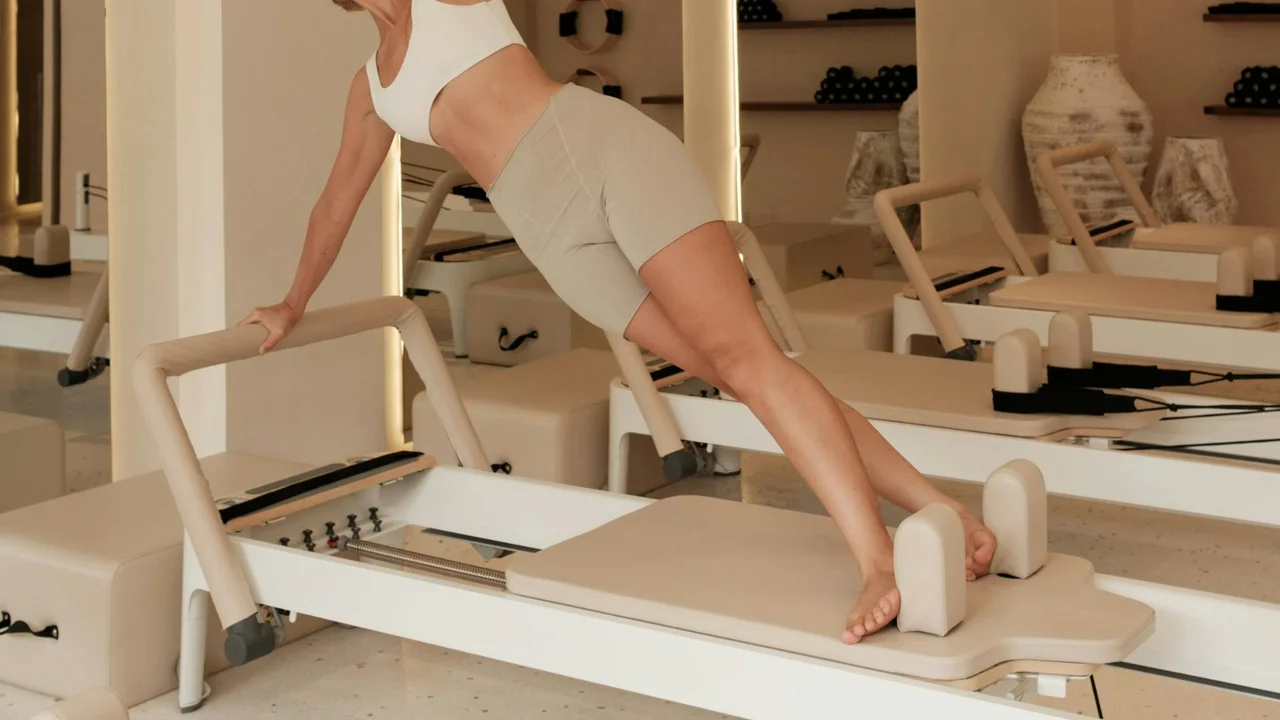
Stepping off the exercise mat or reformer and moving to the instruction podium transforms how attention is divided during a workout. While personal execution ability matters, leading a high-quality pilates class requires a distinct set of pedagogical skills that go far beyond performing precise movements.
Crafting Clear and Accessible Instructions
Successful instruction relies on concise communication rather than overly complex professional jargon. A short, direct sentence explaining where to place feet or when to initiate a movement often proves far more effective than a complicated explanation. Instructors must choose what participants need to know immediately and what can be introduced later once the movement becomes familiar. Effective teaching also involves adapting explanations on the fly, recognizing that some participants learn best through verbal description, while others require visual demonstrations or breaking exercises down into distinct steps.
Room Awareness and Group Dynamics
In any group setting, it is easy to focus on vocal participants while missing those who quietly struggle or feel uncertain about a movement. Professional instructors actively scan the room, noticing physical difficulties and deciding whether to issue a general correction or offer individual, targeted guidance. This observational skill begins with a thorough understanding of safe exercise execution, though it does not grant the authority to diagnose medical issues. When participants report unusual pain, instructors must pause the relevant activity and adhere strictly to professional boundaries and safety protocols.
Managing Pace and Professional Flexibility
Leading a class involves navigating a continuous stream of minor decisions, from pacing explanations to knowing when to transition into the next exercise or offer modifications. A skilled instructor provides a clear framework that allows participants to follow along without feeling rushed, balancing group momentum with individual needs. Professional flexibility also means adapting when a lesson plan does not go as expected due to equipment adjustments or unexpected participant limitations, all without compromising core exercise principles or safety.
"Listening is an essential professional skill because participants cannot always precisely describe what feels difficult for them, transforming instruction from rote memorization into a meaningful dialogue."
Active listening allows instructors to ask targeted follow-up questions when a movement does not feel secure, turning feedback into a productive tool for growth. Aspiring instructors can begin developing these leadership skills by observing classes from a fresh perspective, focusing not just on the exercises chosen, but on how instructors communicate, manage pacing, and engage with their groups.