Deadly fear: violence outside stadiums is raging, "only when someone is killed will they wake up"
The league has just opened, and Israeli sports are turning into a dangerous battlefield in parking lots and on the roads. Iyad Abu-Abid and his wife were trapped in their car in front of a raging mob in Netanya, Hapoel Jerusalem fans were hospitalized with head injuries due to an ambush with clubs in Rehovot. From planned ambushes on social networks to the hammer in the head of Yuri Sedletsky: will leaving the stands end in murder? Police: "We will continue to act decisively, mandatory minimum sentences are required by law."

"Only when someone is killed, God forbid, will they wake up here," Iyad Abu-Abid, a Bnei Sakhnin defender, told us, who was attacked on Monday night by Maccabi Netanya fans who tried, according to him, to lynch him. His case, and that of his teammate Ilay Hajaj who was also attacked, is the second this week to expose the malignant disease of Israeli football.
The evening before, after Maccabi Tel Aviv defeated Hapoel Jerusalem 5:2, the fans were supposed to celebrate the league opener. Instead, a handful of them chose severe violence, which sent two from the opposing camp to the hospital with head injuries, facial cuts, and stitches. The violence raging at the end of matches exposes a dangerous no-man's-land outside the stadiums. In the absence of sufficient enforcement, this area is turning into a real battlefield.
Before the match, there is an increased police presence and strict screening at the gates, and in the stands themselves, there are buffer zones to prevent friction. However, with the final whistle, on the way to the parking lots and public transport stations, a Wild West takes place. There, between the cars or in the middle of the road, criminals in scarves are waiting to settle scores.
"They threw rocks at us," this is what happened to Abu-Abid, who left the stadium in Netanya with his wife. "About 150 fans jumped on my car. They kicked the doors, spat, hit the windows, and shouted racist curses," he recalls. "My wife and I were inside the car, trapped. I couldn't drive because I understood that I would run someone over and end up in prison. These were four or five minutes of deadly fear. My wife, who has accompanied me throughout my career, informed me that she will no longer come to football stadiums in Israel. She is traumatized."
The day before, outside the new stadium in Rehovot, Hapoel Jerusalem fans were attacked by Maccabi Tel Aviv fans with wooden clubs. "They set a planned ambush for us," says one of the victims. "They came with clubs to break our heads. We fell to the floor from the blows, and while we were lying there, they threw rocks at us. I am a reserve soldier and I haven't seen such things. People were left with a cracked skull, internal bleeding, and stitches on their faces."
Another disturbing phenomenon is the coordination between ultras organizations, which arrange to meet before matches in neutral places to conduct fights. For example, before the Tel Aviv derby in February 2022, dozens of fans from both sides coordinated a confrontation on the streets of Jaffa, which included clubs, brass knuckles, and iron bars. The event ended with 15 wounded and 15 arrested.
In another famous incident in 2015, Hapoel Tel Aviv fans were returning from an away match in Kfar Saba. Near the Florentin neighborhood, members of Beitar Jerusalem's La Familia lay in wait for them. Hapoel Tel Aviv fan Yuri Sedletsky received a blow from a hammer that was embedded in his head. He was rushed to urgent surgery and required prolonged rehabilitation. Three of the attackers were convicted, though the punishments were widely criticized as ridiculous.
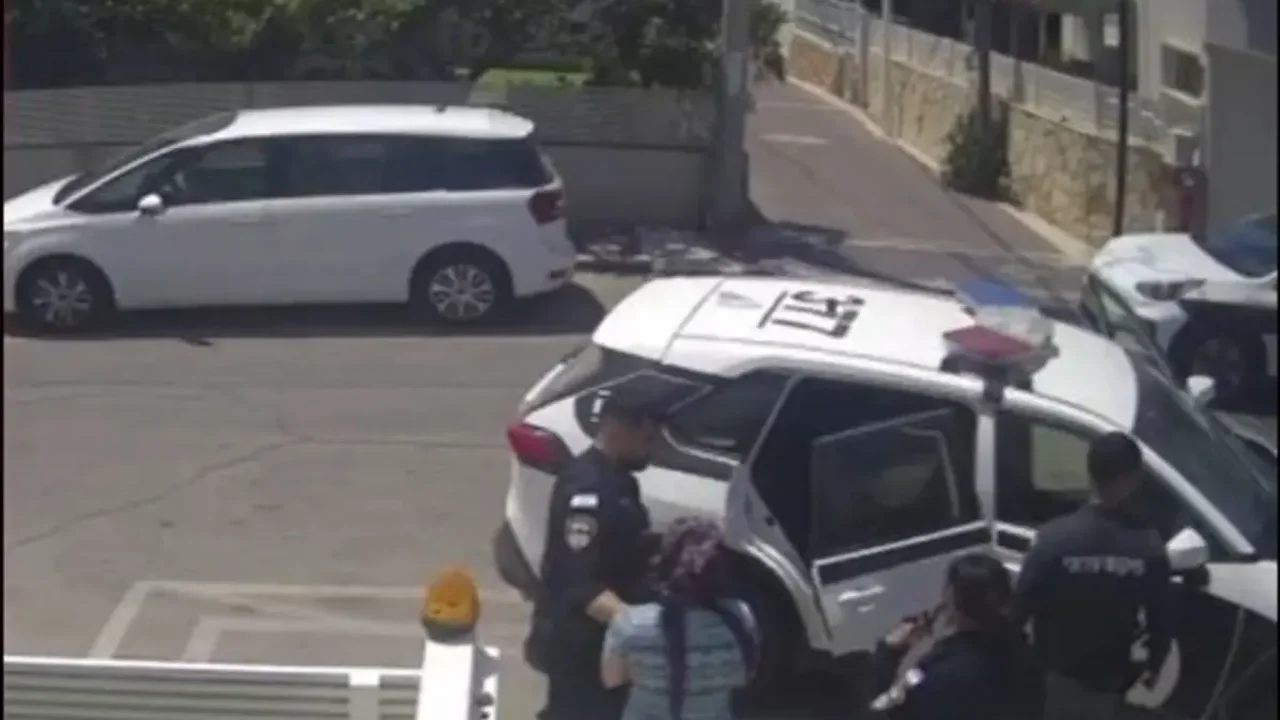
Chief Superintendent Kobi Abutbul, commander of the Netanya police station, addressed the incident: "We carry out staff work to prevent violence. There is some tension on a sectarian background, and therefore we deployed YASAM police officers. The player, contrary to our instruction to board the bus, decided to drive in his private car. If not for the police force that was on the spot, the incident would have ended much worse. We made six arrests, but the judge sent them to house arrest and distanced them for only 90 days from the stadium. If there is no legislation that will set minimum sentences for violence offenses in sports, how many police officers can you deploy?"
The Israel Police spokesperson's office stated: "The police policy remains as it was - zero tolerance for violence incidents. We will continue to act decisively in the preventive and enforcement level." Sports Minister Miki Zohar added: "We continue to act before the enforcement authorities so that they act more forcefully. In recent years, we managed to pass administrative fines, and we are working to appoint a sports judge and install facial recognition cameras."