Penn State Holocaust Museum Decolonization Lecture Sparks Social Media Outrage
Penn State University's Jewish Studies program faces fierce backlash over a lecture questioning whether Holocaust museums should undergo decolonization, drawing condemnation from watchdogs.
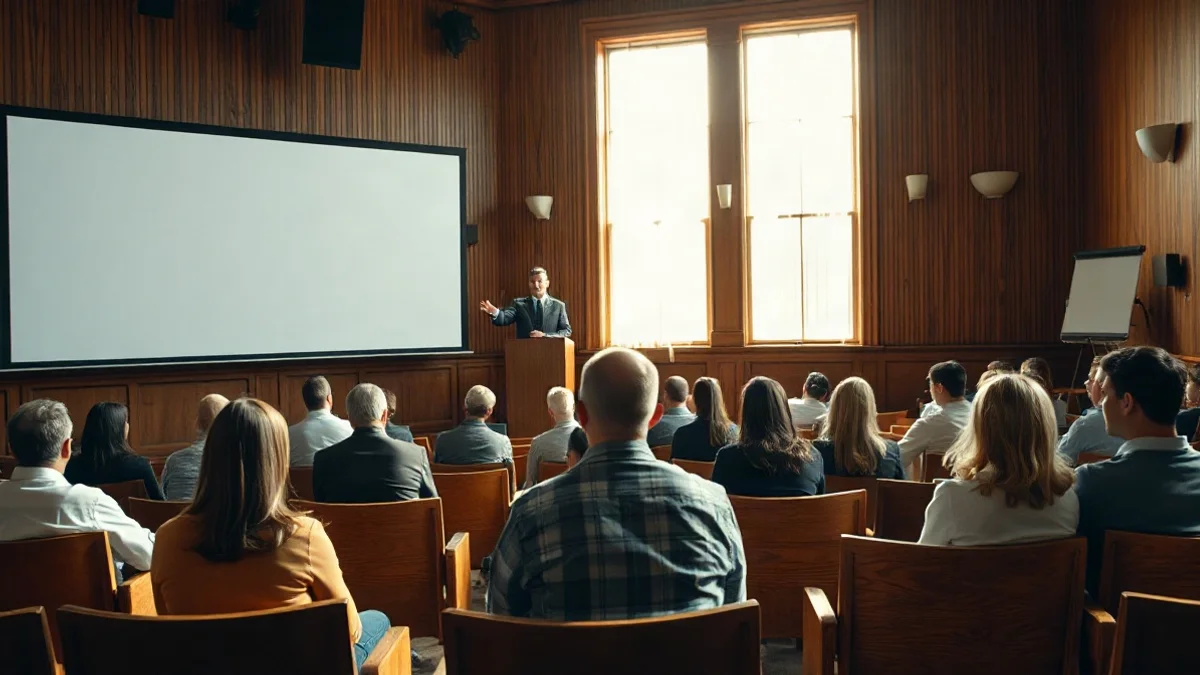
Penn State University's Jewish Studies program is hosting a lecture titled "Should Holocaust Museums Be Decolonized?", sparking widespread outrage across social media. The event applies post-colonial critical frameworks to institutions dedicated to commemorating the systematic murder of European Jews during World War II.
The lecture is part of an ongoing event series organized by the Jewish Studies program within the faculty of humanities at the Pennsylvania-based university. The featured speaker is Professor Erika Lehrer from Concordia University in Montreal, an anthropologist, historian, and curator who specializes in Holocaust memory and Jewish heritage in Poland. A similar lecture by Lehrer was previously hosted in April at the University of Michigan.
Public Backlash and Official Reaction
The promotional material for the event drew severe condemnation from watchdog groups fighting antisemitism. The organization StopAntisemitism shared the lecture's promotional poster on the social media platform X, stating: "These lunatics are now targeting Holocaust museums. This is happening right now at Penn State." Leo Terrell, head of the antisemitism task force at the US Ministry of Justice, also amplified the criticism on his official account.
According to the lecture's official abstract, demands for decolonization originally emerged among indigenous activists whose communities suffered under historical museum practices. The synopsis notes that museums dealing with mass violence, and Holocaust museums in particular, have largely remained insulated from this specific brand of critical analysis.
The organizers acknowledged that Holocaust museums were predominantly established at the behest of survivor communities with an explicit commitment to social justice, making them seem unlikely targets for such critique at first glance. However, the promotional text asserts that Holocaust museums are not immune to relationships with state power, traditional museological infrastructure, institutional biases, exclusions, and omissions.
Academic Context and Research Background
The stated goal of the lecture is to examine how decolonization methodologies might help Holocaust museums "renew and expand their commitment to social justice." Critics argue the event represents an effort to transplant critical frameworks historically directed at Western imperial institutions and apply them directly to Holocaust commemoration enterprises.
Lehrer herself maintains established ties with major American museum institutions. According to the United States Holocaust Memorial Museum website in Washington, she served as a research fellow at the institution from September to December 2024. During that fellowship, she utilized archival access to investigate how personal objects transferred from European Jews to non-Jewish Poles eventually entered museum collections, alongside examining the wartime and postwar significance of those artifacts.