Study Links Pediatric CT Scan Radiation to Increased Brain Tumor Risk
A large-scale study published in JAMA links childhood exposure to ionizing radiation from CT scans to a moderately increased risk of brain tumors, while experts stress that necessary imaging remains critical.
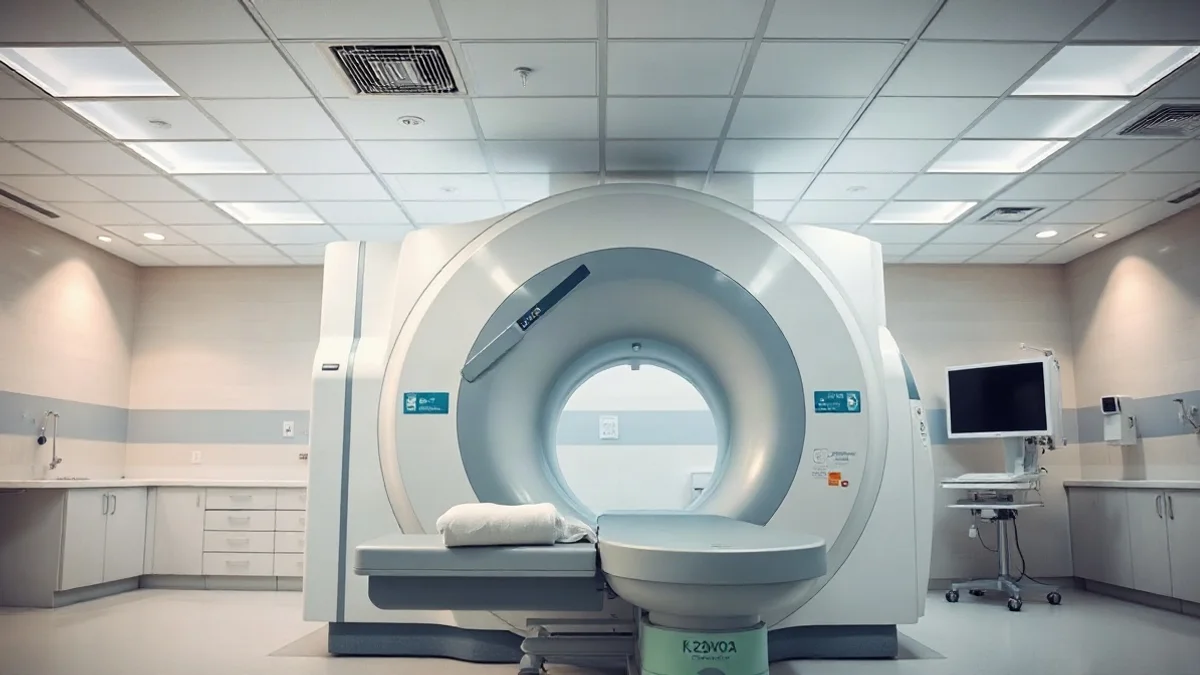
A comprehensive new study published in the journal JAMA reveals that cumulative exposure to ionizing radiation from pediatric medical imaging is linked to an elevated risk of brain tumors among children and adolescents. Led by researchers from the University of California, Davis, and the University of California, San Francisco, the study examined medical records of more than 3.7 million children in the United States and Ontario, Canada, who were tracked from birth for an average of 12.3 years. Brain tumors represent the second most common cancer in children and the leading cause of cancer-related mortality in this age group.
Findings on Pediatric CT Scans
During the monitoring period, researchers diagnosed 1,536 brain tumor cases, the vast majority of which at 82.5 percent were aggressive, with nearly two-thirds diagnosed in children between the ages of two and ten. The analysis determined that exposure equivalent to a single head CT scan correlated with a 1.8-fold increase in brain tumor risk. This translates to roughly eight additional cases per 10,000 children up to age 21, or one excess case for every 1,266 head CT scans. Furthermore, the study estimated that 10.1 percent of pediatric and adolescent brain tumors could be attributed to imaging radiation.
Ionizing radiation is utilized across various medical evaluations, including X-rays, CT scans, PET scans, fluoroscopy, and nuclear medicine, and possesses the capability to alter cellular structures and DNA. The head is the most frequently imaged region in pediatric care, and a head CT scan exposes the brain to significantly higher radiation doses compared to most other imaging modalities. While results demonstrated that cumulative radiation exposure increased risk proportionally, particularly for aggressive tumors, study authors emphasize that the overall absolute risk of developing a brain tumor remains low.
Balancing Clinical Necessity and Radiation Safety
Principal investigator Prof. Diana Miglioretti from the University of California, Davis, stressed that the findings should not prompt parents to avoid medically necessary procedures that can save lives. She noted that every evaluation involving ionizing radiation must be clinically justified and performed using the lowest possible radiation dose required to yield diagnostic information. Radiologist Prof. Rebecca Smith-Bindman pointed out that while head CT scans carry immense diagnostic value in scenarios such as suspected hemorrhages following severe trauma, the modality suffers from overuse in certain settings.
Physicians must carefully weigh immediate diagnostic benefits against the small, delayed risk of malignancy, particularly in cases of minor head trauma. Established clinical decision rules, such as the PECARN criteria, are already deployed in pediatric emergency departments to help minimize unnecessary CT scans and protect young patients from excessive radiation exposure.