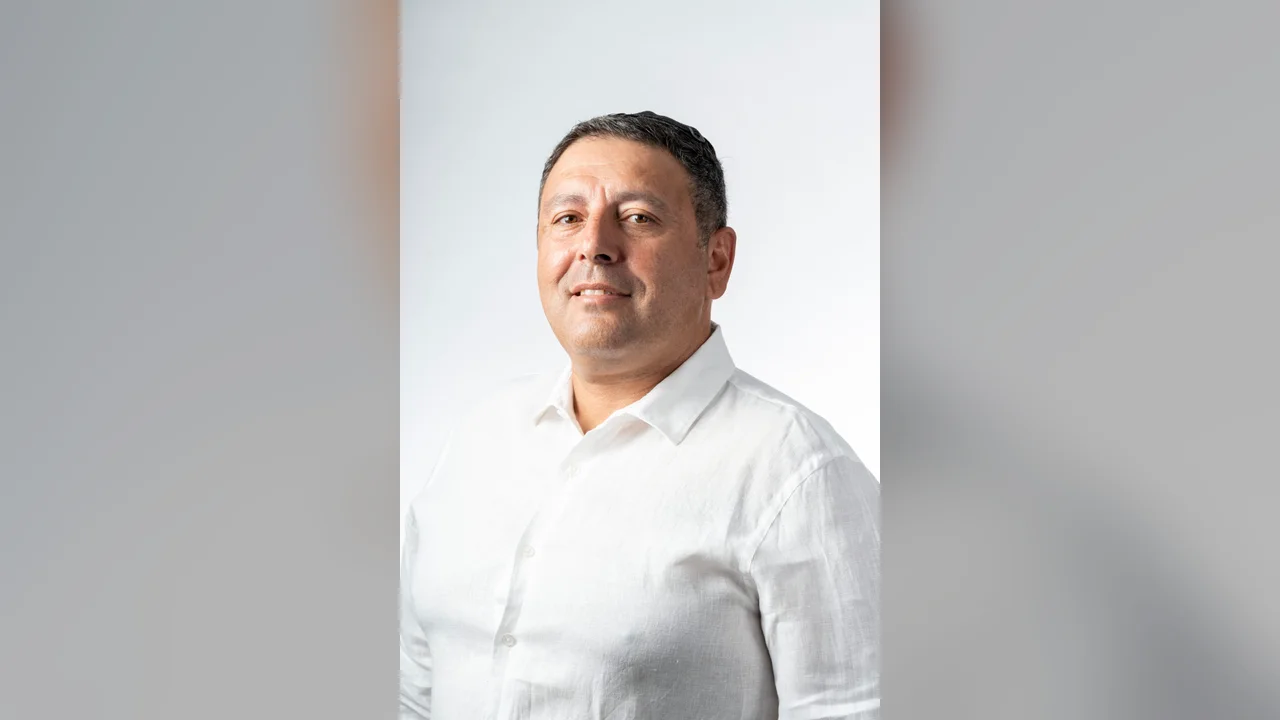
Payoneer and CodeValue Launch Tech Training Program for Reserve Soldiers
Payoneer and CodeValue launched the entryCODE initiative to provide six-month paid tech training for university students with over 100 reserve duty days, bridging employment gaps for soldiers returning from active combat.
As entry-level openings in Israel's technology sector narrow, reserve soldiers balancing university studies face mounting disadvantages in the job market. To bridge this widening professional gap, the financial platform Payoneer has partnered with the software architecture developer CodeValue to launch the entryCODE initiative, founded by Merav Gal Shushan.
Practical Training for Reservists
The six-month paid practical training program targets technology students in their final academic year who have completed more than 100 active reserve duty days. More than 400 applicants registered for the program, having served between 100 and 650 operational days during the ongoing conflict that began on October 7, 2023. Following rigorous evaluations, nine participants secured positions within Payoneer.
Adi Itzkowitz, Vice President of Human Resources at Payoneer, emphasized the unique value these candidates offer:
"The reserve soldier students bring with them far more than the experience reflected on their resumes. They demonstrate maturity, resilience, and the ability to handle complex situations that cannot be taught in any university. Those who put their daily routines aside to serve the country should not pay a professional price for it."
Navigating Combat and Academic Pressures
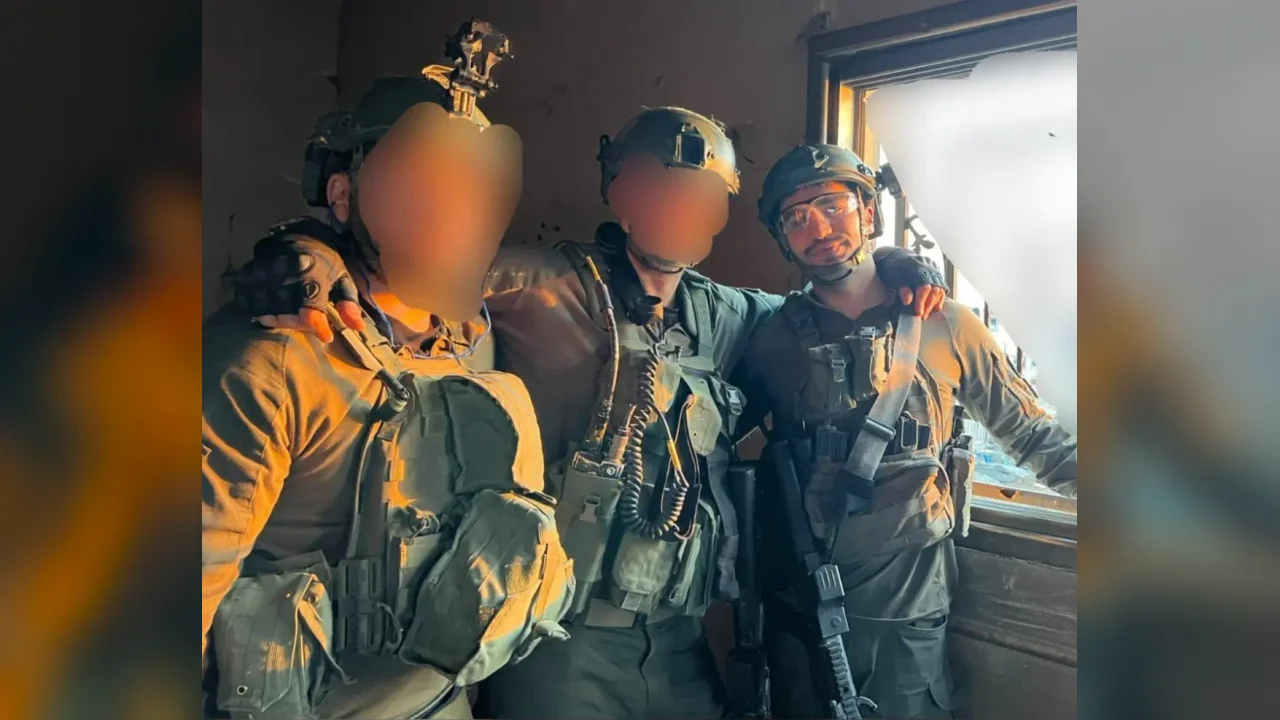
While most peers utilized the past year to secure junior positions, 29-year-old Idan Inbar spent his third year of a computer science degree at Bar-Ilan University rotating through combat deployments in Gaza and Lebanon. Serving as a combat soldier in the Givati Reconnaissance Unit, he completed approximately 550 reserve days.
Inbar returned directly to semester examinations, only to receive immediate recall orders upon completing his initial exams. The exhaustive cycle of active duty, combat trauma processing, and grueling job interviews created an overwhelming hurdle as he watched non-serving classmates advance in their careers. After joining entryCODE following his final deployment in Lebanon, Inbar now works as a developer in Payoneer's AI Growth team.
Overcoming Barriers to Entry
For 28-year-old Hod Haim, a computer science graduate from the Academic College of Tel Aviv-Yaffo and an Intelligence Corps researcher with over 350 reserve days, the job search proved equally daunting. Immediately following the outbreak of hostilities, he joined the establishment of a civil operations room to process open-source intelligence for missing persons.
Haim conducted remote job interviews from bomb shelters while still in uniform, repeatedly facing rejection due to a lack of formal corporate experience and employer reluctance toward active reserve mobilization orders. Since entering the program, Haim joined Payoneer's customer security department, pairing with an experienced senior mentor.
"The reserve service only proves that I know how to juggle tasks with full dedication," Haim noted, urging industry leaders to look beyond resume gaps. "We come hungry and available around the clock – just give us a chance."
Expanding Industry Support
Shirel Ashkenazi, a customer security team lead at Payoneer who manages Haim, praised the initiative's participants for their exceptional drive. Founder Merav Gal Shushan noted that the concept originated from supporting a relative fighting in Gaza while attempting to complete computer science exams between active combat rotations.
Partnering with CodeValue CEO Tali Shem-Tov, the organizers developed a formalized corporate training pipeline to ease the formidable barrier of securing a first technology role. The creators highlighted instances where soldiers logged into virtual interviews directly from front-line positions in Lebanon and Syria wearing tactical gear.
"This program is only the beginning," Shushan concluded. "There are thousands of reservists who stopped everything, including their studies, to protect us, and now it is our turn to help them."