Not simple at all: Getting to know Austria Wien – Beitar Jerusalem's opponent
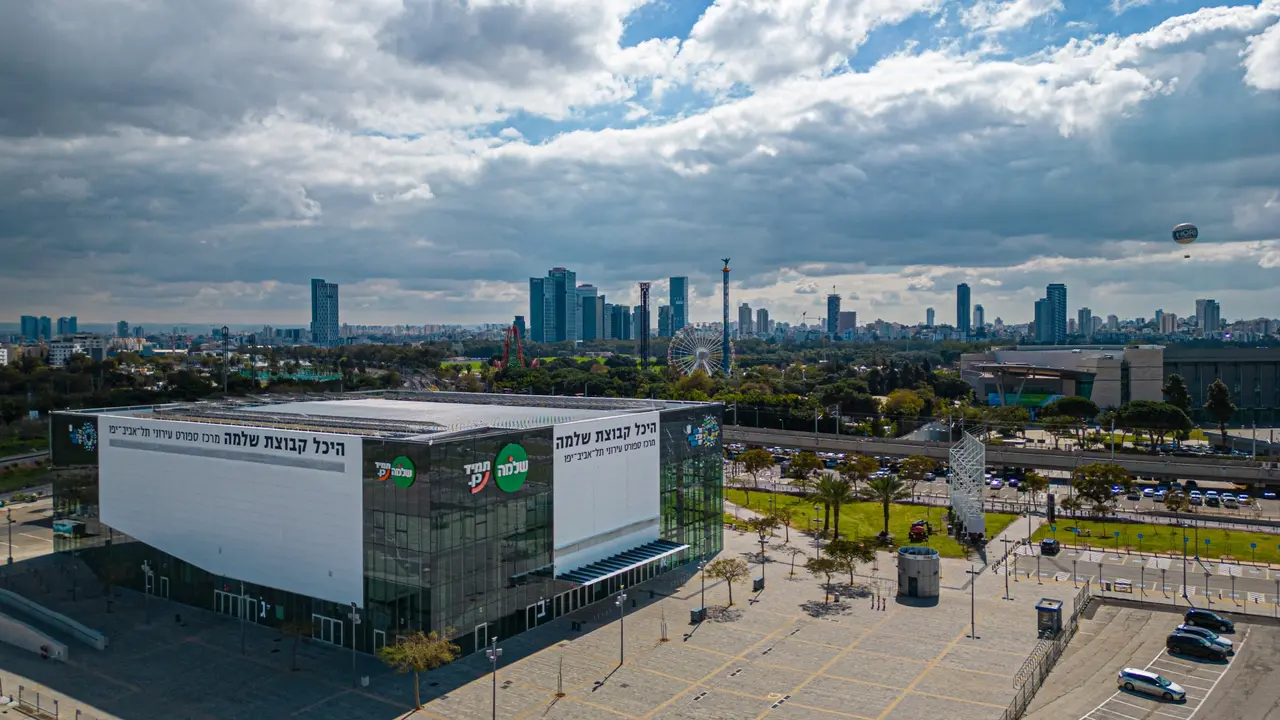
After the tense penalty shootout victory against AEK Larnaca, Beitar Jerusalem faces a pair of matches against an even tougher hurdle in the form of Austria Wien in the third round of the Conference League. The first match will be held on Thursday at the Jerusalemites' home ground in Bucharest, while the return leg will take place in Vienna a week later at the Generali Arena.
Following the tense penalty shootout victory against AEK Larnaca, Beitar Jerusalem faces a pair of matches against an even tougher hurdle in the form of Austria Wien in the third round of the Conference League. The first match will be held on Thursday at the Jerusalemites' home ground in Bucharest, while the return leg will take place in Vienna a week later at the Generali Arena.
Austria Wien is considered one of the giants of local football; its magnificent trophy cabinet holds 24 league titles and 27 cups, and the club has an extensive European history that includes eight appearances in European group stages. However, in recent years, the club has suffered from a prolonged slump, with its last championship title coming only in 2013.
The last group stage the team participated in was in the Conference League four years ago, where it met an Israeli opponent for the first time in history, Hapoel Be'er Sheva, which defeated it 4-0 at the Turner Stadium and sent it to the bottom of the group.
Israelis who played for Austria Wien
For Israeli football fans, the name Austria Wien is well known, as no fewer than eight Israeli players have worn the purple kit over the years, from Avi Binyamin, through Shay Holtzman and Omer Damari, to Roi Kehat, Alon Turgeman, Matan Baltaxa, Doron Leidner, and Silva Kani.
For Beitar Jerusalem, this is the first official meeting against an Austrian opponent in UEFA competitions, after having met Austrian teams nine times in the 80s and 90s in the Intertoto Cup, achieving a balanced record of three wins, three draws, and three losses.
Austria Wien's playing style
The team is coached by Stephan Helm, who began his career as a video analyst and is highly regarded for his stability and ability to integrate young talents into the squad. Helm generally advocates for a three-center-back formation, based on high pressure and fast transition play to create many chances near the opponent's goal. The young defensive line is led by 35-year-old defender Aleksandar Dragović, who returned to his boyhood club, alongside captain Manfred Fischer, who drives the midfield in the center of the pitch.
Regarding professional pillars, German striker Johannes Eggestein stands out in the front line; he was the team's top scorer and had a great season with 10 league goals, posing a constant threat and being one of the most dangerous players in the air. In the back line, talented German defender Jonas Pedersen, on loan from Borussia Dortmund, stands out, demonstrating physicality and an impressive ability to read the game for his age. They are joined by veteran right-back Reinhold Ranftl, one of the most experienced and stable players in the squad, who provides depth, leadership, and constant push from the flank.
Injury crisis
Ahead of the meeting with Beitar, Austria Wien is suffering from a difficult injury crisis, including Dragović, who suffered a concussion, and the expected absence of defensive midfielder Florian Wustinger. Also, the team's top scorer from last season, Eggestein, will miss the match. If that were not enough, the 'Violets' arrive in low spirits after being defeated 3-0 last weekend by Wolfsberger in the opening round of the Austrian league.
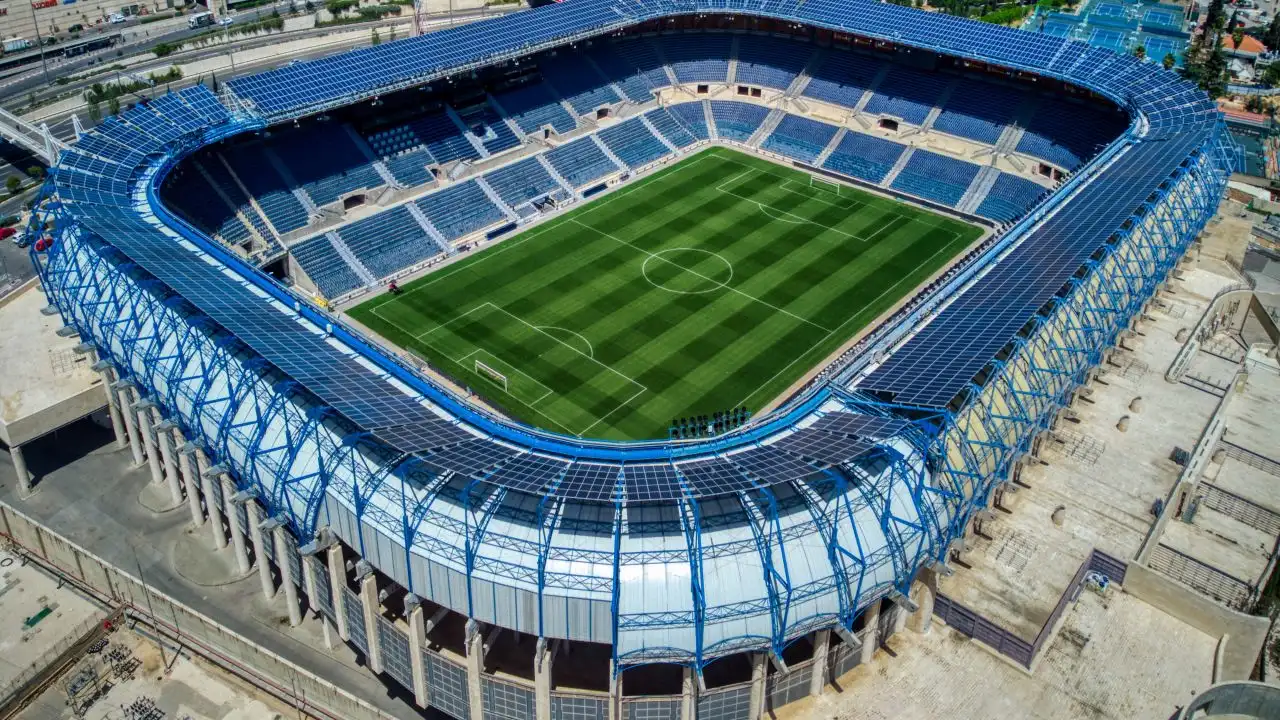
While the Austrians enjoy a clear home-field advantage at their home stadium, which holds 17,500 seats and is known for its hot atmosphere, journalists covering the team in Austria point to instability, a squad that is too young, and a lack of quality depth as factors that may make Beitar Jerusalem an equal and even superior opponent in the double-header.