Severe El Nino Drought Leaves Millions Facing Water and Food Crisis in PNG
A severe El Nino-driven drought in Papua New Guinea has impacted eight million people, causing acute water and food shortages, river dry-ups, and rolling blackouts.
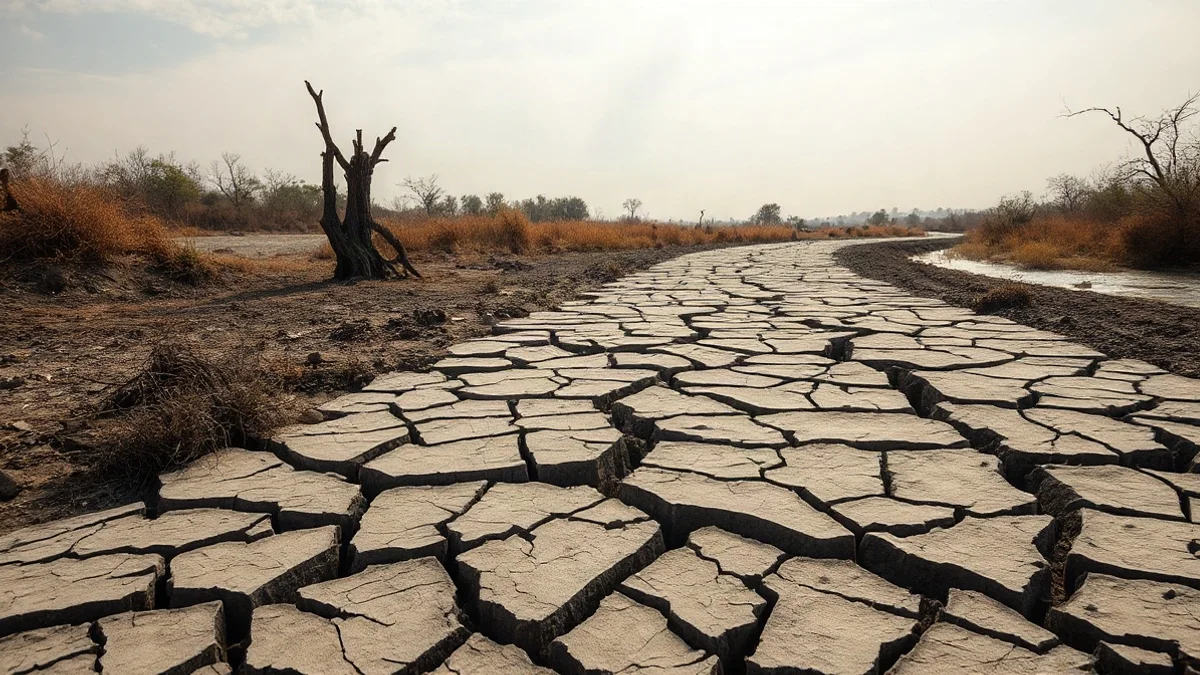
An unprecedented drought driven by the El Nino phenomenon has severely impacted up to eight million people in Papua New Guinea, causing acute water and food shortages, drying up rivers, and disrupting power supplies.
Coalitions of church organizations, trade unions, and business groups have declared a national crisis, warning of a lack of coordinated government response to protect vulnerable populations. In some regions, rainfall since August has fallen to less than a quarter of normal levels, with forecasts indicating that the current El Nino cycle could be the strongest on record.
Humanitarian Impact in Rural Areas
The crisis is felt most acutely in rural and highland communities that depend on subsistence farming. Emily Marren, humanitarian project manager at CARE International, reported that families are limiting themselves to one meal a day and that food scarcity is triggering local disputes.
Women and girls are disproportionately affected, often walking three to four hours to secure water and food, which increases their exposure to harassment and exploitation. In Bulolo district, Morobe province, dried-up rivers have forced schools and clinics to operate on half-day schedules or suspend inpatient care entirely.
Infrastructure and Energy Disruptions
The consequences have also reached the capital, Port Moresby, where the national power utility has initiated rolling blackouts due to plunging water levels at hydroelectric dams. Officials warn these disruptions could persist for up to ten months as authorities balance electricity generation with drinking water supplies.
Kassis Inape, deputy director of the National Weather Service, noted that while Papua New Guinea is typically one of the wettest places globally, El Nino has shifted warm tropical waters eastward, drastically reducing precipitation. Compounding the situation, widespread fires have blanketed the capital in heavy smog.
Prime Minister James Marape has instructed local authorities to prepare for a prolonged dry spell and announced that the government is reviewing budget allocations to deliver emergency aid to affected regions.