Ex-U.S. Envoy Ortagus Defends Hardline Stance on Iran and Hezbollah
Former U.S. envoy Morgan Ortagus stated at the New York conference that eliminating Qasem Soleimani was a high point, stressing that regional stability requires checking Iran.
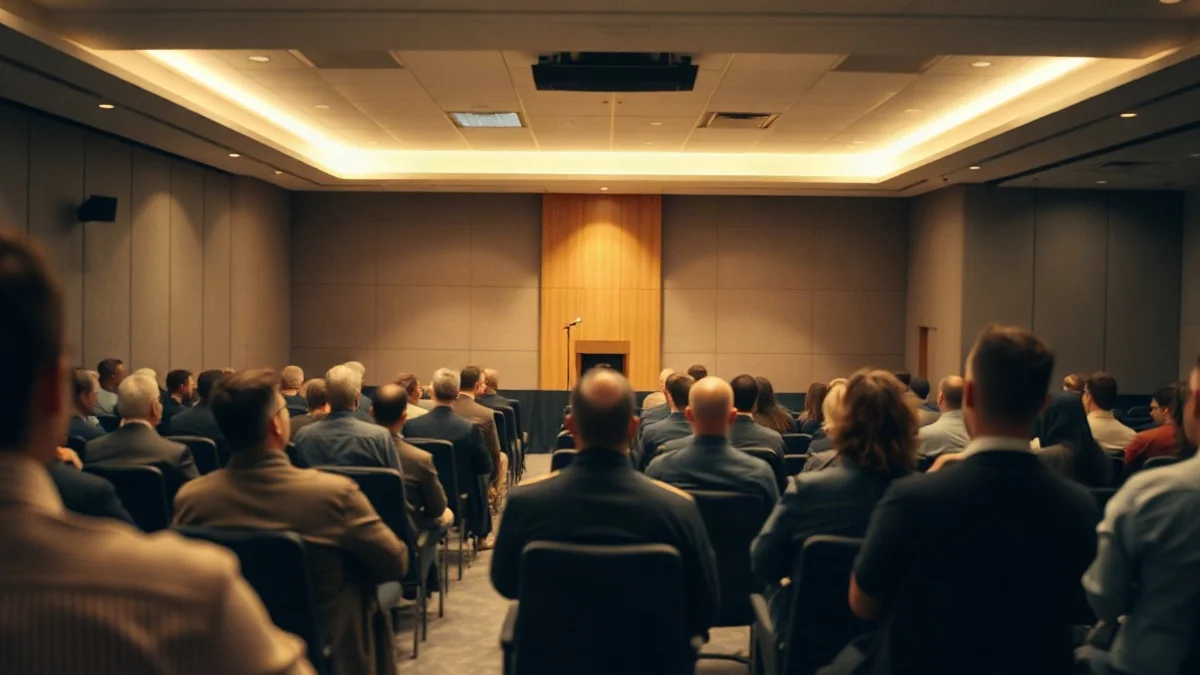
Speaking at the Israel Hayom conference in New York, former U.S. Deputy Special Envoy to Lebanon Morgan Ortagus declared that the elimination of Iranian General Qasem Soleimani remains one of the greatest moments of her life, warning that Tehran continues to pose the primary threat to regional stability.
Ortagus addressed the evolving dynamics in the Middle East following the return of Donald Trump to the White House. Reflecting on her tenure working alongside former Secretary of State Mike Pompeo to forge the Abraham Accords, she emphasized that despite the devastating events of October 7 and the subsequent conflicts, the historic normalization pacts have endured. However, she underscored that true peace and stability will remain elusive as long as the regime in Tehran stays in power.
The Iranian Threat and the Legacy of Soleimani
Addressing U.S. strategy toward Iran, Ortagus firmly stated that President Trump's ultimate objective is to ensure Iran never acquires nuclear weapons. Recalling the targeted strike that eliminated Soleimani, she noted that despite widespread warnings of a looming world war, the decisive action proved that American resolve can check Iranian aggression without triggering global catastrophe. She added that any future diplomatic agreement that merely delays Tehran's march toward a bomb rather than dismantling its capabilities will be deemed an absolute failure.
Regarding the prospect of regime change, Ortagus voiced support for the Iranian people's aspirations, noting that while large-scale U.S. ground involvement lacks domestic backing, Washington remains steadfast in denying Tehran regional hegemony. She pointed to recent diplomatic friction, highlighting that Secretary of State Marco Rubio firmly rebuffed Iranian attempts to negotiate the future of Lebanon, declaring unequivocally that Tehran does not dictate terms in Beirut.
A Pragmatic Path for Lebanon
Turning to Israel's northern border, Ortagus outlined a pragmatic approach to diplomacy with Lebanon, arguing that normalization should not be held hostage to the complete disarmament of Hezbollah. Drawing a parallel to international law enforcement challenges, she noted that major sovereign states maintain diplomatic relations despite severe domestic security threats.
Ortagus argued that closer economic and security cooperation between Israel and Lebanon could actually accelerate the neutralization of Hezbollah, noting that weary civilian populations in southern Lebanon are increasingly rejecting Iranian tutelage. She praised Lebanese diplomatic engagement and emphasized that Washington will continue pressing to dismantle Hezbollah while opening windows of opportunity for lasting peace.
Defending the U.S.-Israel Alliance
Addressing growing isolationist sentiments within the Republican Party following the midterm elections, Ortagus firmly rejected the notion that support for Israel is a political liability. She attributed Republican electoral shifts primarily to domestic economic pressures rather than foreign policy debates.
"I am a proud Republican, and I will fight with all my might against anyone trying to destroy the relationship between the U.S. and Israel from within my party," Ortagus asserted. Concluding with a personal reflection on her diplomatic career, she remarked that representing the United States as a woman and a proud American empowered her to stand firm against hostile interlocutors across the Middle East.