OpenAI Pledges Full Energy Cost Coverage to Curb Public Backlash
OpenAI has pledged to cover all electricity and infrastructure costs for its AI data centers following public backlash and U.S. midterm election protests. The company aims to prevent taxpayer burdens through transparent community engagement and dynamic grid-protection mechanisms.
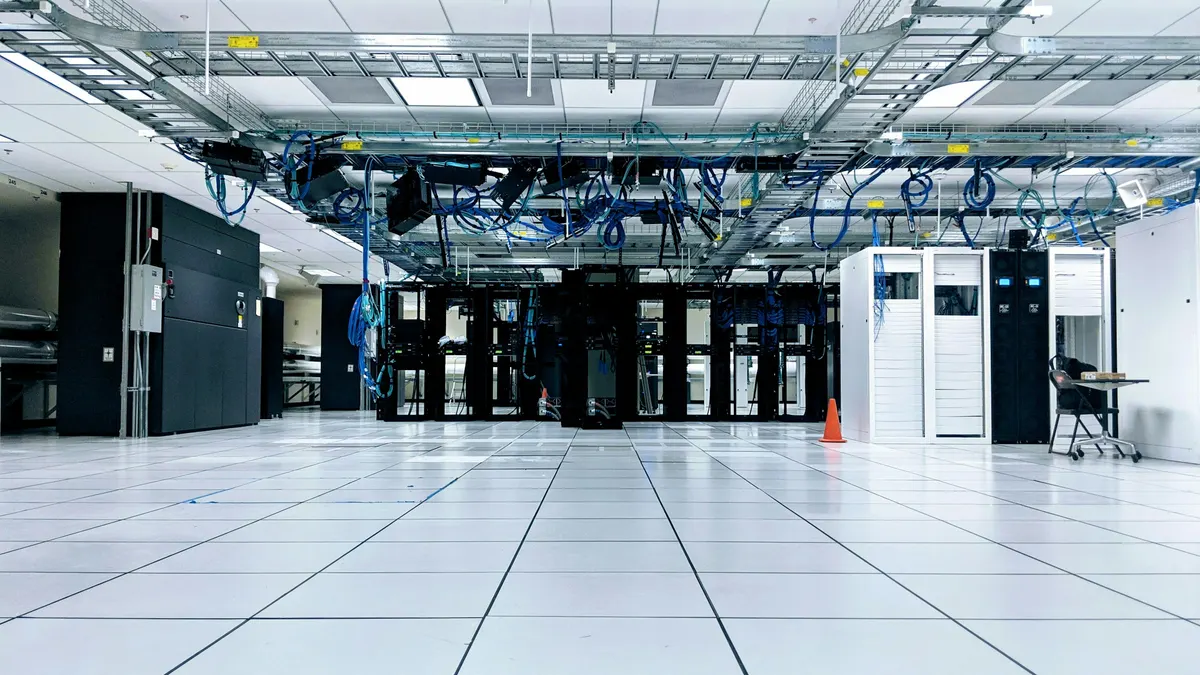
OpenAI has published a set of core principles addressing public backlash over the massive energy consumption of artificial intelligence data centers, pledging to cover all electricity and infrastructure costs to protect American taxpayers.
The move follows the U.S. midterm elections, where voters in key states expressed strong opposition to new server farms amid surging household electricity bills. In response, OpenAI CEO Sam Altman announced a framework ensuring the company will fully fund its energy demands, engage transparently with local communities, and abandon non-disclosure agreements with public officials.
Technological Solutions and Grid Protection
The commitments include expanding the Stargate Community initiative and launching Grid Protectors, a dynamic load-management system. This mechanism allows OpenAI data centers to curtail power consumption during periods of extreme strain on the public grid, such as severe heatwaves or winter storms, thereby returning vital electricity to households and businesses.
The first practical implementation has been signed in Effingham County, Georgia, through a long-term agreement with Georgia Power. OpenAI will fund all infrastructure upgrades and provide up to 1,000 megawatts of operational flexibility—equivalent to the consumption of approximately 700,000 homes—which can be temporarily diverted from servers during peak demand. According to utility estimates, this model could save residential consumers roughly $950 million annually starting in 2029.
Regulatory Impact and Industry Standards
With U.S. data center power consumption projected to surpass 100 gigawatts by 2030, tech giants face growing political pressure. OpenAI is urging U.S. lawmakers to enshrine these commitments into binding legislation for the entire tech sector, forcing competitors like Amazon and Meta to adopt similar standards. Energy experts note that while voluntary pledges are a positive step, their ultimate success will depend on rigorous enforcement.