Navigating Online Shopping Festivals: How Israeli Consumers Can Save Big
As November shopping festivals peak, Israeli consumers face hidden shipping costs and customs traps. A comprehensive review of Amazon, Temu, AliExpress, and iHerb reveals how to secure genuine bargains while avoiding unexpected fees.
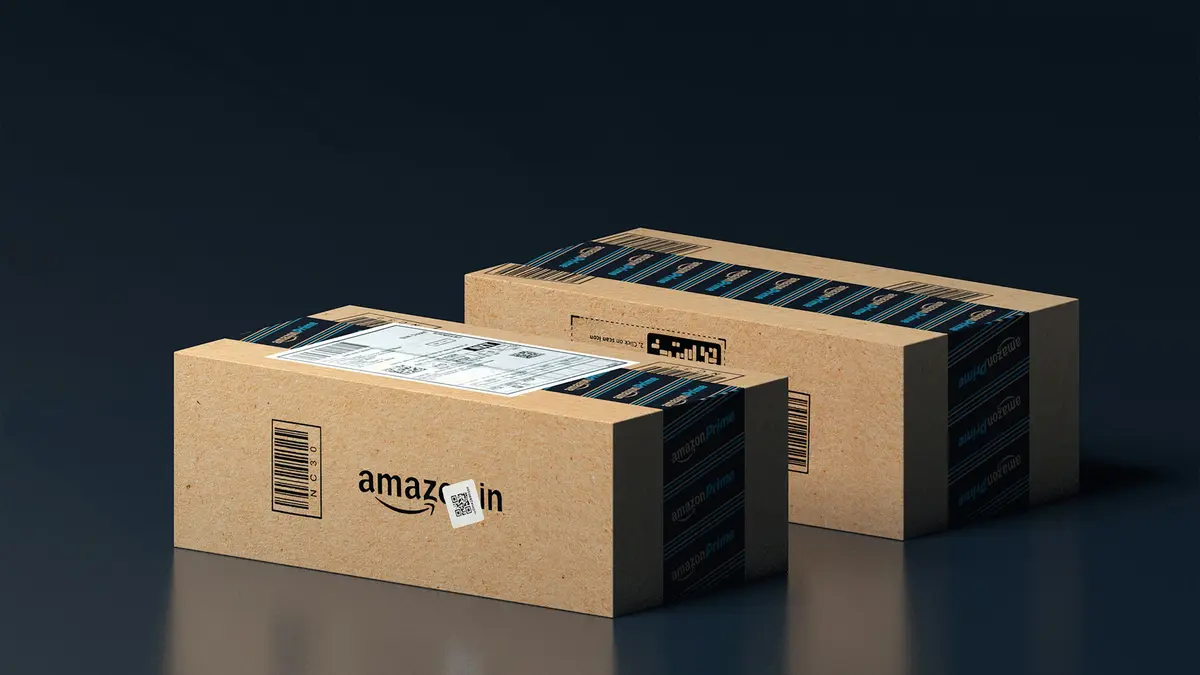
November has evolved into the ultimate shopping season for Israeli consumers, driven by Singles' Day, Black Friday, and Cyber Monday, with hundreds of packages arriving daily. However, amidst the ongoing cost-of-living crisis, a low price tag on a screen does not automatically guarantee a worthwhile deal. Unexpected shipping costs, customs clearance fees, and prolonged waiting times can easily turn an online bargain into a disappointing expense.
Amazon: Reliability and Brand Leader
Amazon remains the top choice for peace of mind, reliability, and customer service. The American e-commerce giant is the most cost-effective destination for renowned international brands, toys, sportswear, and tools, which are frequently sold in Israel at significantly higher prices. Its primary advantage lies in free doorstep delivery on orders exceeding 49 dollars, alongside an automated mechanism that pre-calculates and collects import taxes if the exemption threshold is crossed.
This means shipments arrive within a few business days without unexpected payment demands from courier companies in Israel. Nevertheless, when purchasing electrical appliances, shoppers must verify that the items support local electrical voltage.
Temu and AliExpress: Gadgets and Budget Buys
Temu has captured the local market through aggressive pricing and disintermediation, excelling in small everyday items such as storage solutions, car accessories, kitchen tools, and simple toys. While shipping conditions are convenient, product quality generally mirrors the low price, prompting recommendations to avoid complex electronics. Temu periodically adjusts its minimum order threshold, typically ranging between 80 and 120 shekels.
Alongside Temu, AliExpress maintains its status as an empire for gadgets, spare parts, and technical components. Its Choice shipping service offers free delivery on orders around 10 dollars, shortening delivery times to lockers and pickup points to roughly 10 to 20 business days, whereas standard seller shipments may incur separate fees and waiting times of up to a month and a half.
iHerb maintains clear superiority in health and personal care products over local pharmacy chains, offering price gaps reaching tens of percents on vitamins and nutritional supplements. The platform provides free or discounted shipping for an average basket of approximately 180 to 225 shekels, supporting stable delivery times within 5 to 10 business days and transparent tax calculations at checkout.
Navigating Customs and Currency Conversion
To ensure a genuine profit from shopping festivals, consumers must navigate personal import regulations carefully. The customs and VAT exemption threshold stands at 75 dollars on the value of the goods alone. Exceeding this amount mandates an 18% VAT payment and potential customs duties. To prevent customs from artificially consolidating packages, buyers splitting purchases from the same supplier should wait at least 72 hours between orders or secure separate tracking numbers.
Furthermore, the steepest financial trap lies in customs clearance fees charged by expedited courier companies like FedEx, DHL, and UPS. When a package valued over 75 dollars ships without pre-paid taxes, courier firms levy handling charges, computer fees, and storage costs totaling dozens or hundreds of shekels beyond the tax itself. Therefore, on websites lacking pre-paid duties, keeping orders below the exemption threshold is strongly advised.
Finally, currency conversion presents another common trap. Many platforms offer billing in shekels, yet this mechanism incorporates expensive exchange rates with margins of 4% to 7%. The most prudent approach is to select billing in the platform's native currency, such as dollars or euros, leaving the conversion to Israeli credit card companies which charge substantially lower fees.