Northern Leaders Slam 300 Million Shekel Rehabilitation Budget Cuts
Local leaders in The North express outrage over a planned 300 million shekel budget cut to regional rehabilitation, warning it severely damages resilience, education, and welfare.
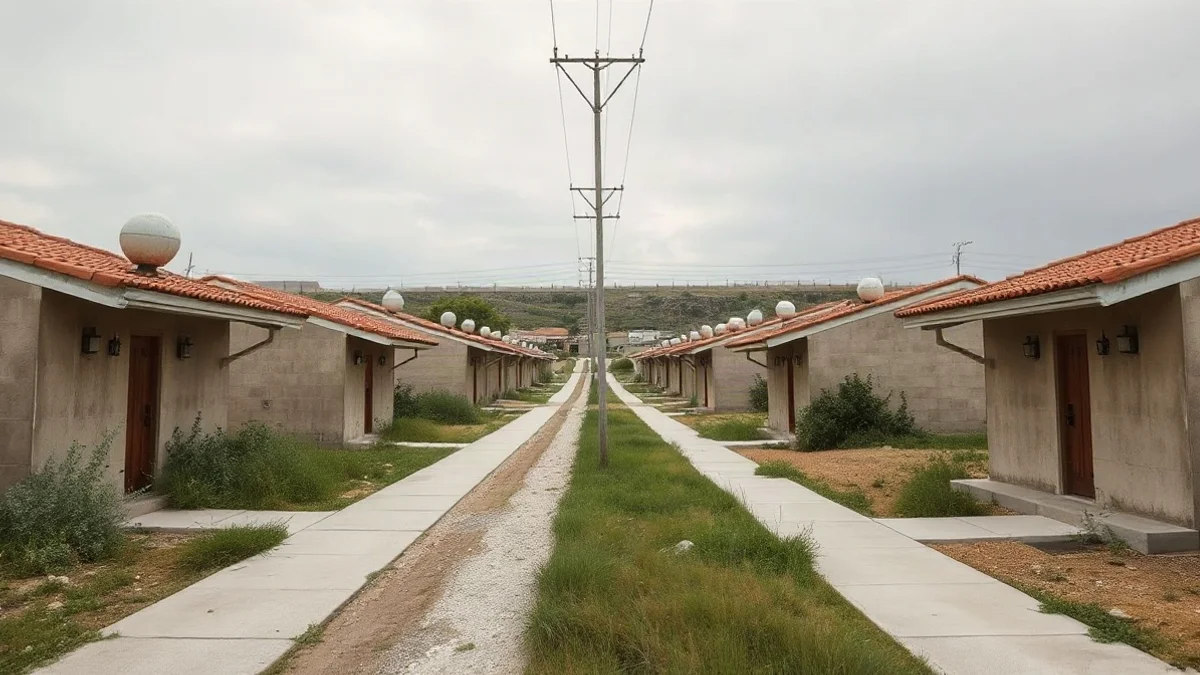
Despite prior assurances from the government, 300 million shekels are slated to be cut from rehabilitation budgets earmarked for The North and the border envelope. Moshe Davidovich, Chairman of the Confrontation Line Forum and head of the Mateh Asher Regional Council, sharply criticized the impending cuts during a radio interview, warning that the decision severely undermines resilience, welfare, and education budgets.
Border Residents as National Defense
Davidovich emphasized that the residents living along the northern frontier serve as the literal shield of the country, remaining effectively caught in an active war zone. Pointing to recent rocket sirens in Shtula and the Rosh HaNikra area, he argued that slashing funds while artillery fire and airstrikes continue in neighboring Lebanon defies logic. He recalled that Prime Minister Benjamin Netanyahu had explicitly promised that the confrontation line would remain completely shielded from any budget cuts.
"What is the defense of the state? Is it not those who are on the fences? On the border line, whose children do not sleep from the noise of shells and our planes? The government gives with one hand and takes with the other. This is a situation we will not allow and will not agree to."
Impact on Displaced Children and Demographics
The cuts threaten programs vital for children who spent extended periods displaced across hotels and hostels nationwide, leaving them years behind their peers in the center of the country. Davidovich noted that while the western Galilee shows more encouraging signs of return, eastern communities such as Kiryat Shmona, Metula, and several Upper Galilee kibbutzim face a severe crisis. Dozens of families in border communities like Adamit, Hanita, and Rosh HaNikra have made the difficult decision not to return, driven entirely by concerns for the safety and future of their children.