UK Reports 28% Surge in Norovirus Cases as Health Agencies Issue Warnings
UK health agencies report a 28% surge in positive norovirus tests, highlighting transmission risks, hygiene protocols, and prevention measures amid seasonal updates.
Norovirus Surge Reported in England Amid Public Health Warnings
Public health authorities in the United Kingdom have reported a noticeable increase in norovirus activity, recording a 28 percent surge in positive laboratory tests for the highly contagious stomach bug. Often dubbed the "Ferrari of viruses" due to its rapid transmission rate, the pathogen primarily triggers sudden bouts of nausea, vomiting, and diarrhea.
According to official data released by the UK Health Security Agency (UKHSA), England registered 374 laboratory-confirmed positive tests between November 9 and November 22, compared to 293 cases during the preceding two-week period. This marks a 27.6 percent increase, with figures standing at 11.7 percent above the five-season historical average. Since the beginning of the current tracking season, authorities have logged 2,528 positive tests, representing an 18 percent rise over the seasonal norm of 2,142 cases. Despite the upward trend, health officials emphasize that overall viral activity remains within the expected seasonal range, noting that laboratory figures capture only a fraction of actual community infections.
Transmission Dynamics and Prevention Challenges
Norovirus spreads swiftly through close personal contact with infected individuals, touching contaminated surfaces, or consuming tainted food and water. The illness typically manifests abruptly with symptoms including severe nausea, vomiting, diarrhea, abdominal cramps, headaches, mild fever, and muscle aches. While most patients recover fully within two to three days, the infection poses severe health risks to infants, young children, the elderly, and immunocompromised individuals, primarily through fluid loss and dehydration.
The virus frequently triggers localized outbreaks in high-density environments such as hospitals, care facilities, and educational institutions. British reports indicate 26 suspected or confirmed hospital outbreaks since the start of the season, remaining well below the historical average of 56 outbreaks for the corresponding period.
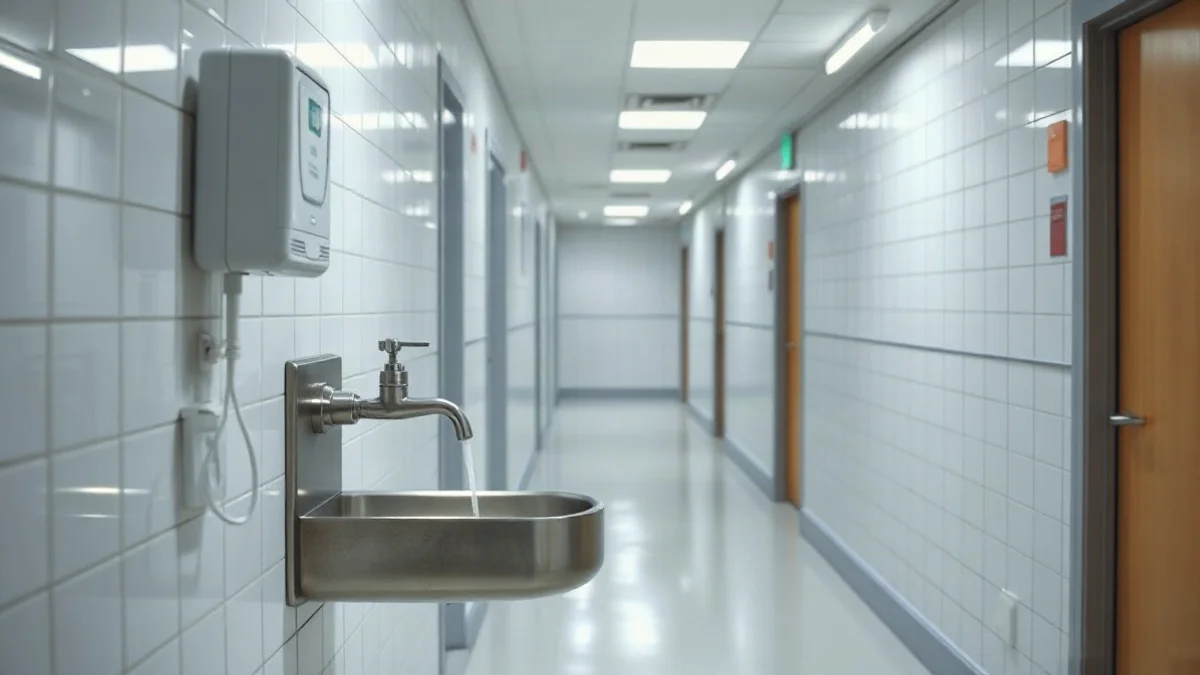
A common pitfall in combating the virus is relying exclusively on alcohol-based hand sanitizers, which health officials warn are insufficiently effective against norovirus. Thorough handwashing with soap and water remains essential, particularly after restroom use, before food preparation, and following contact with sick individuals. Environmental hygiene requires regular disinfection of high-touch surfaces including faucets, door handles, and toilets, while contaminated linens and garments must be laundered separately.
Medical Guidance and Recovery Protocols
Because norovirus is viral, antibiotics are ineffective, and treatment centers on rest, hydration, and preventing dehydration. Oral rehydration solutions are recommended to restore depleted electrolytes, while carbonated beverages and fruit juices should be avoided for children.
Pain management requires careful consideration. The UK National Health Service (NHS) advises that non-steroidal anti-inflammatory drugs like ibuprofen and aspirin can irritate the stomach and elevate kidney risks during dehydration. Paracetamol is generally preferred for fever and pain relief under medical guidance. To prevent further transmission, infected individuals should isolate at home and avoid returning to work or school until at least 48 hours have passed since the cessation of vomiting and diarrhea.
Medical consultation becomes necessary if patients experience persistent vomiting that prevents fluid retention, significant reduction in urination, bloody stools, or symptoms lasting longer than seven days for diarrhea and two days for vomiting. Emergency evaluation is required for severe signs such as green or bloody vomit, neck stiffness, acute headaches, or intense abdominal pain.
Epidemiological Context in Israel
In Israel, research published in January 2026 by Tel Aviv University scientists alongside the Central Virology Laboratory of the Ministry of Health identified widespread norovirus presence in nationwide wastewater samples collected during 2022. Although localized reports noted elevated pediatric gastrointestinal illness in central regions last October, official authorities have not confirmed norovirus as the definitive cause, nor are there current official figures indicating an anomalous outbreak nationwide.