NASA Space Telescope Set for Uncontrolled Atmospheric Re-entry
A truck-sized NASA Swift space telescope weighing 1.5 tons is set for an uncontrolled atmospheric re-entry after 22 years in orbit, raising debris concerns.
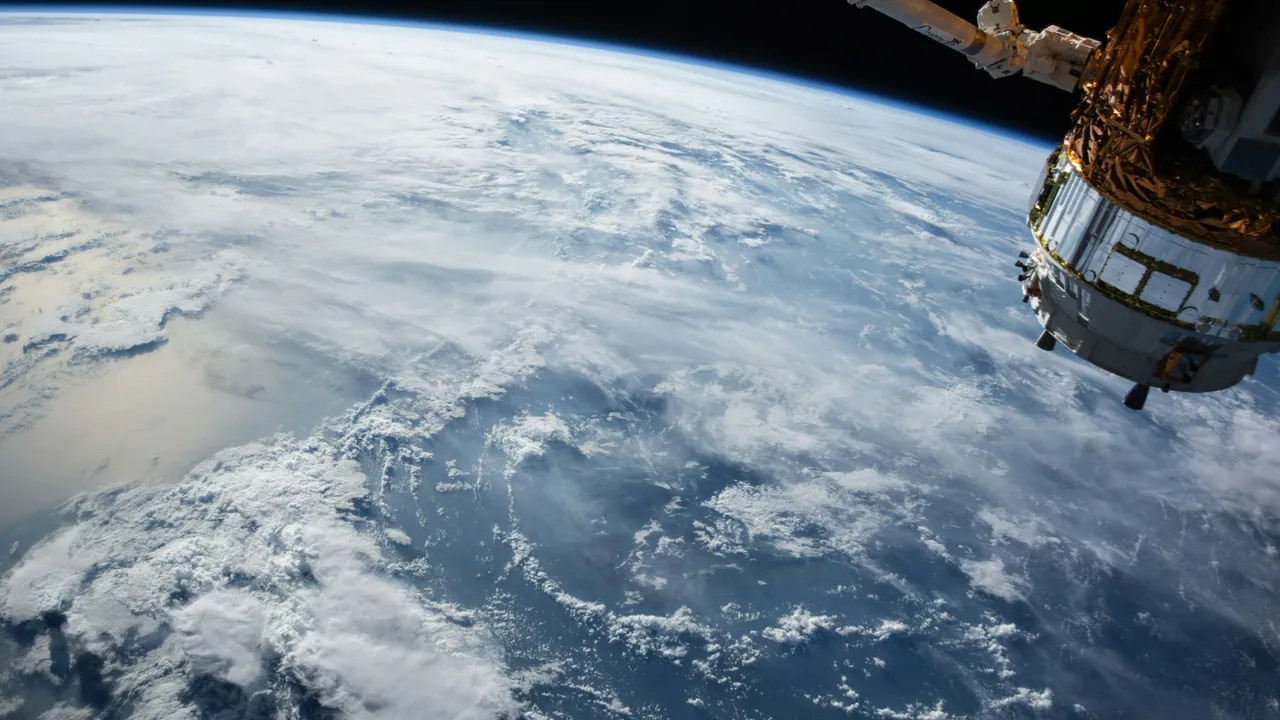
A truck-sized NASA space telescope weighing nearly a metric ton and a half is set to re-enter Earth's atmosphere on Wednesday after nearly 22 years in orbit, officials said. Unlike spacecraft engineered for controlled de-orbiting or targeted ocean landings, the Swift observatory faces an uncontrolled descent, raising concerns over surviving debris.
Launched in November 2004 to study powerful cosmic explosions, the telescope is projected by the U.S. Space Force to enter the atmosphere at approximately 10:30 AM Israel time. However, orbital mechanics experts noted an uncertainty window of 11 hours in either direction, complicating precise impact predictions.
NASA estimated the overall probability of human injury from surviving debris at approximately 1 out of 2,100. The orbital trajectory restricts potential debris fields to a wide band spanning between 20.6 degrees north and 20.6 degrees south latitudes, covering vast expanses of oceans, Africa, South America, Asia, and Australia. Israel remains outside the potential impact zone.
Debris Survival Estimates and Mission Legacy
Astrophysicist Jonathan McDowell, an orbital debris tracker, told Gizmodo that he would not be surprised if at least 100 kilograms of hardware survive atmospheric entry. Originally designed for a two-year mission, Swift vastly exceeded expectations, operating for nearly 22 years before solar activity accelerated its orbital decay.
Recent commercial salvage efforts aimed at boosting the telescope into a higher orbit failed due to technical malfunctions, leaving the spacecraft to an uncontrolled return. Throughout its mission, Swift observed over 2,000 gamma-ray bursts, supernovae, and active galaxies, cementing its status as one of NASA's most productive astrophysical observatories.