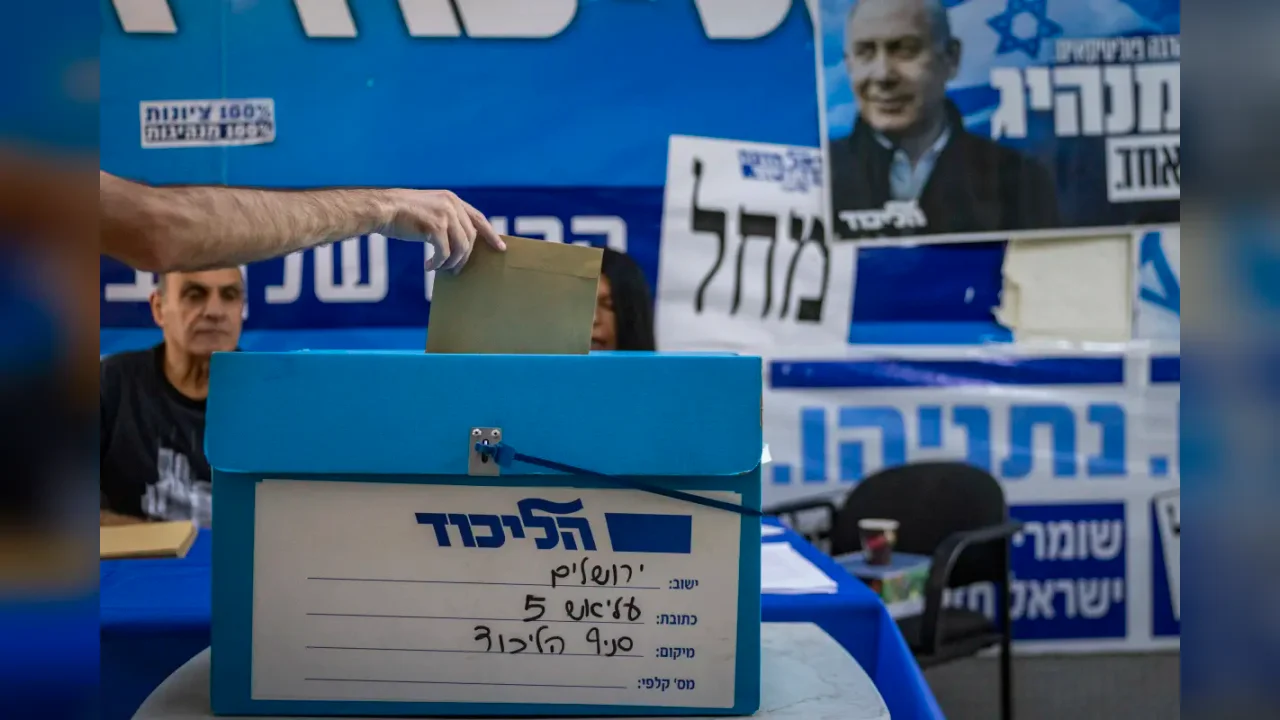
Municipal Voting Analysis Highlights Deep Political Polarization Across Israel
A comprehensive municipal analysis of Israel's voting patterns reveals stark political polarization, with right-wing and change blocs dominating contrasting geographic strongholds.
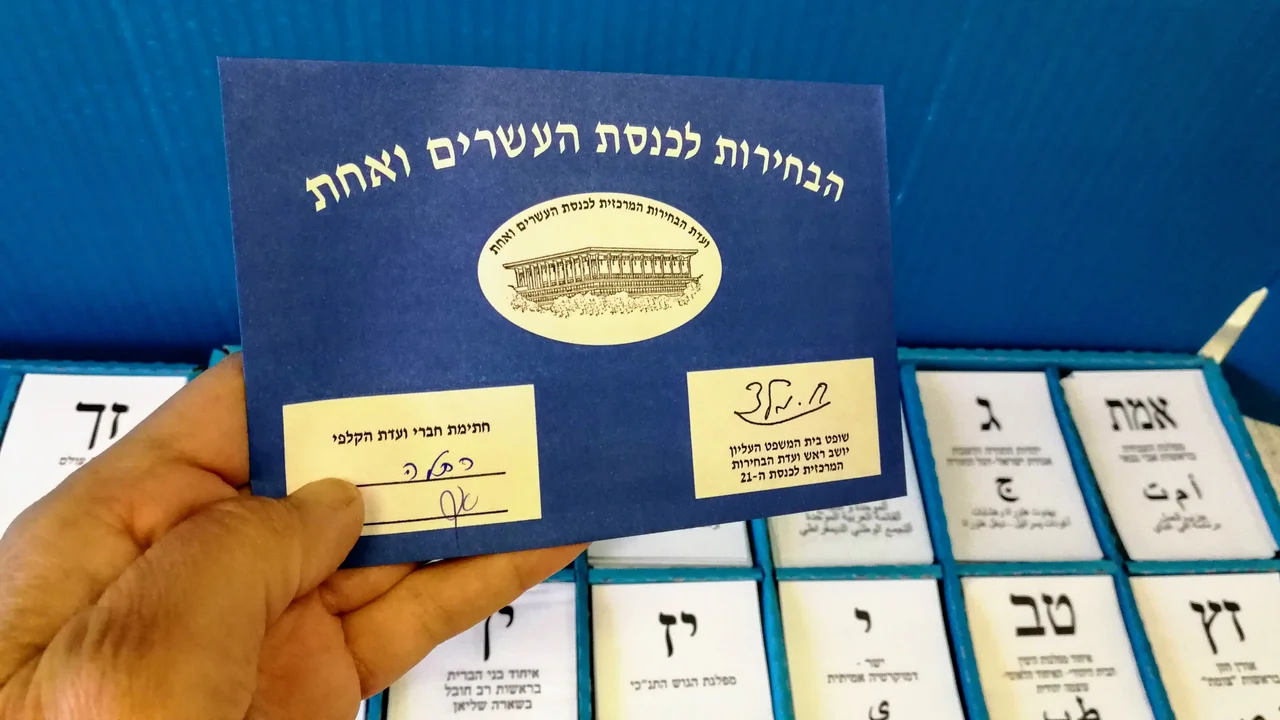
An analysis of hypothetical voting distributions across Israel's major cities and local authorities illustrates striking political polarization. If election results were calculated solely based on local voter turnout within each municipality, the political map would reflect stark geographic divides between right-wing religious strongholds and center-left urban centers.
Major Metropolises and Diverging Trends
In Jerusalem, the right-wing religious bloc would secure 91 mandates, led by United Torah Judaism with 31, Likud with 23, and Shas with 19. Conversely, Tel Aviv presents an almost exact mirror image, where the change bloc would amass 100 mandates, spearheaded by Gadi Eisenkot's party with 39 and The Democrats with 30, leaving Likud as the sole right-wing faction passing the electoral threshold with 20 mandates.
Haifa demonstrates a more balanced political landscape, with the change bloc leading at 77 mandates compared to 30 for the right-wing and religious parties, alongside 13 mandates for the Joint Arab List. Meanwhile, Beersheba remains a staunch right-wing stronghold, where Likud captured 52 mandates and the broader right-wing coalition reached 78 mandates.
Frontline Settlements and Periphery
Northern and southern towns impacted by ongoing security tensions show overwhelming support for Prime Minister Benjamin Netanyahu's political camp. In Kiryat Shmona, Sderot, and Ofakim, the right-wing bloc secured massive majorities, with Likud dominating local simulations. In Sderot, for instance, the right-wing bloc amassed 96 mandates, while the change bloc secured 20.
Similar contrasts appear in neighboring communities such as Or Yehuda, where the right-wing secured 84 mandates, versus neighboring Kiryat Ono, where the change bloc dominated with 93 mandates. Ultra-Orthodox municipalities like Bnei Brak and Beitar Illit yielded near-unanimous results for the right-wing and religious parties, reaching up to 120 simulated mandates in localized tallies.