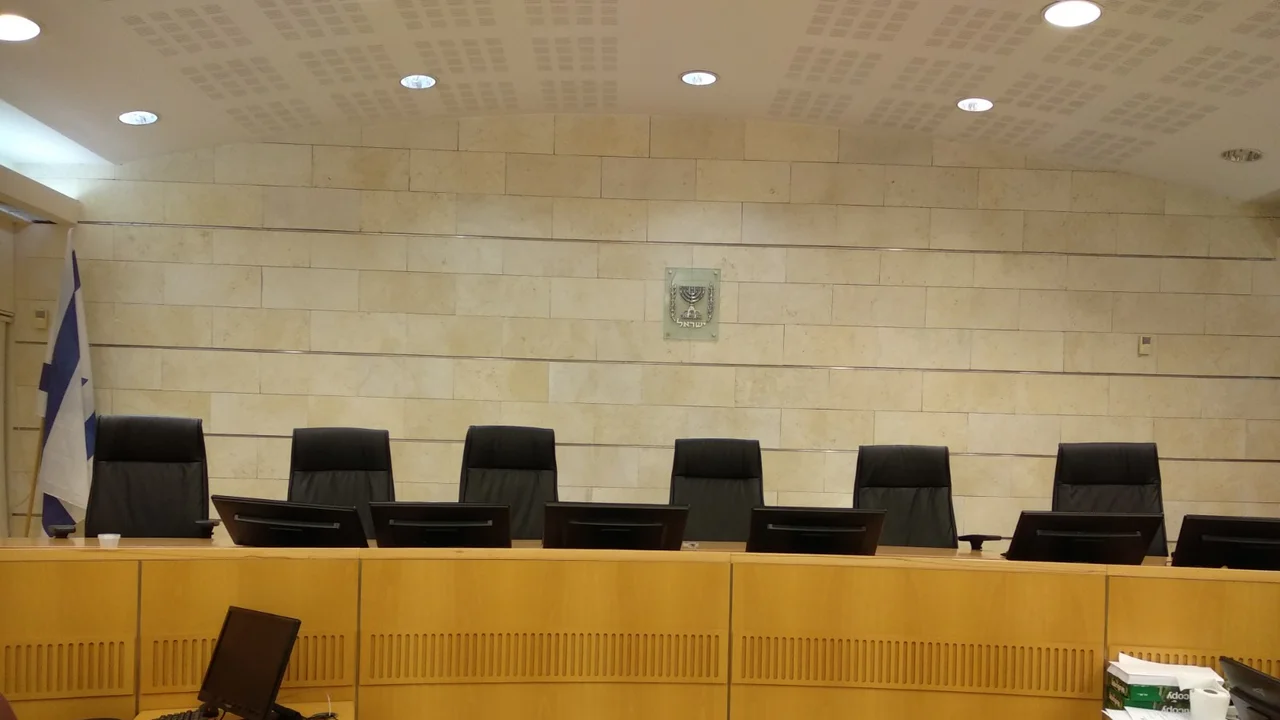
Court Rules on Moshav Boundary Dispute and Revokes Access Path Rights
A Petah Tikva court resolved a neighborly dispute in moshav Yarkhiv over land boundaries and a shared access path. The judge ruled the official land settlement valid, rejected claims to a prescriptive easement, and ordered the defendant to vacate the land.
A Magistrate's Court in Petah Tikva has ruled in a long-standing property dispute between neighbors in the moshav of Yarkhiv, determining the official boundaries of their agricultural estates and revoking the right of way over a disputed access path. Judge Edna Yosef-Kozin presided over the case.
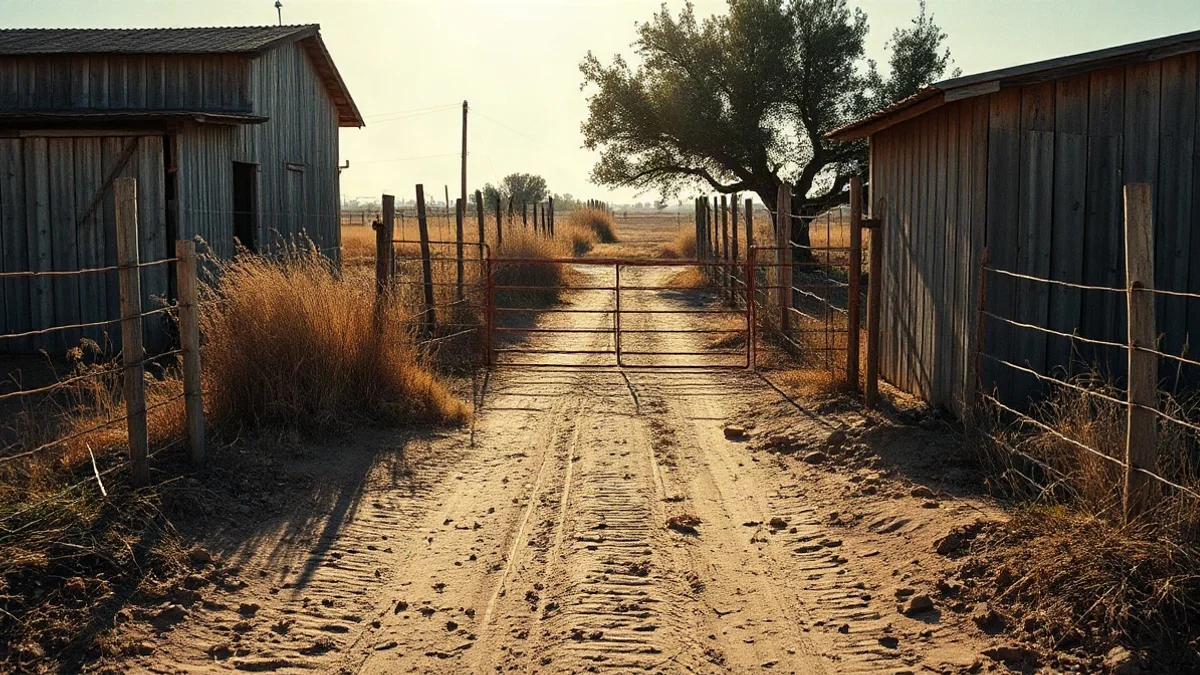
The legal battle centered on a shared pathway used by both families for decades. Following a formal land settlement procedure within the moshav, the official border was redrawn, incorporating the entire path into the plaintiff's estate. In December 2022, the plaintiff filed a lawsuit alleging trespassing, pointing to a tractor trailer parked on his land, unauthorized passage, and rainwater runoff from the neighboring property. He demanded the removal of a nearby shed and the construction of a concrete wall.
The defendant, acting as the successor to his late father's estate, argued that the historical border ran down the middle of the path. He claimed the boundary adjustment was improper and blocked access to the rear of his property, asserting a prescriptive easement due to decades of use.
Judge Yosef-Kozin ruled in favor of the plaintiff, establishing that the boundary approval process was legally valid and noting that the defendant failed to challenge it through appropriate administrative channels during the planning phase. The court also rejected the claim for an easement, explaining that long-term use based on neighborly consent does not automatically grant permanent property rights, and such permissive use can be revoked. The defendant was ordered to clear the disputed area within 30 days, banned from future use of the path, and ordered to pay 35,000 shekels in legal fees.