Israel Expands Import Exemptions for Smart Appliances and Car Systems
The Ministry of Communications has expanded licensing exemptions for personal and commercial imports, removing bureaucratic hurdles for European-standard appliances and in-car multimedia systems.
Ordering smart home appliances or in-car multimedia systems from international platforms like Amazon has historically involved navigating complex bureaucratic hurdles. The Ministry of Communications previously required special permits, lab reports, and lengthy customs clearance for any device featuring wireless communication components like Wi-Fi or Bluetooth. Now, a sweeping regulatory reform eliminates these requirements for a wide array of imported products.
European Standards and New Categories
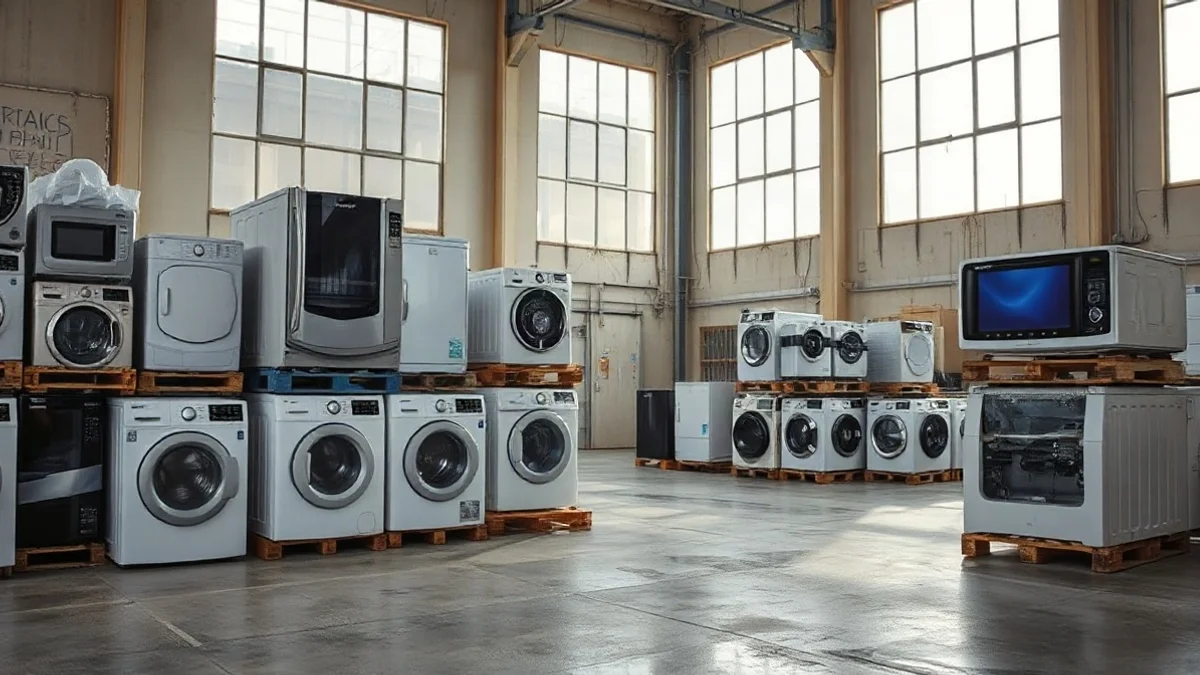
The Ministry of Communications has approved a new amendment significantly expanding licensing exemptions for both personal and commercial imports. The first streamlined track applies to products bearing the European CE standard, adding 13 new categories. This expansion covers household appliances including air conditioners, refrigerators, washing machines, ovens, coffee machines, air purifiers, and soundbars. These items will now clear customs directly without requiring supplementary regulatory approval, based on the recognition that compliance with rigorous European standards is sufficient.
In-Car Systems and Reduced Bureaucracy
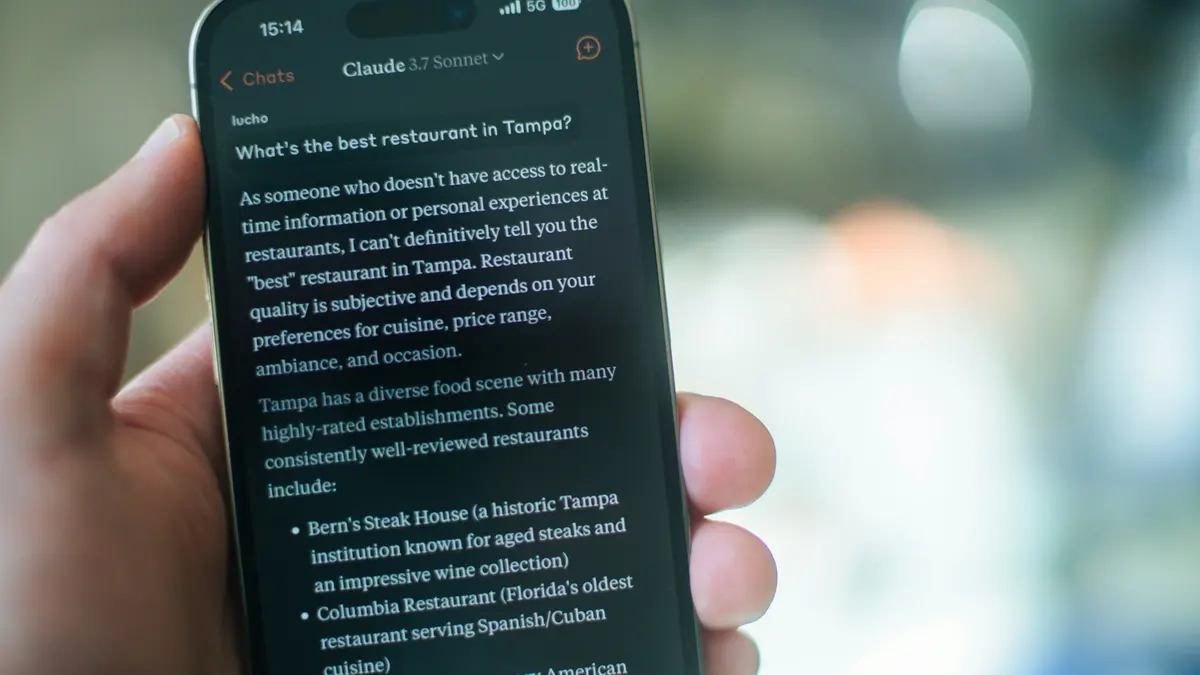
A second track specifically targets automotive enthusiasts. Consumers importing CarPlay devices or in-car multimedia systems for personal use will benefit from full licensing exemptions, even without mandatory European certification. This specific relief applies to personal imports of up to five units per shipment, while commercial imports of identical items will continue to require formal conformity assessments.
Ministry officials explain that the initiative aims to dismantle redundant bureaucracy and eliminate duplicate regulations. According to ministry data, previous exemptions introduced over the past two years for security cameras, baby monitors, and gaming consoles have already driven a sharp decline in physical inspections at ports. The volume of parcels requiring regulatory handling plummeted from 125,000 packages in 2024 to approximately 60,000 in 2025, with further reductions anticipated as the new exemptions take effect.