Urban Planning Groups Demand Removal of Lottery Kiosks from Sidewalks
Urban planning groups urged the Ministry of Finance to ban Mifal HaPayis lottery kiosks from public sidewalks as operating permits come up for renewal. They argue the structures bypass zoning laws and use public land for free.
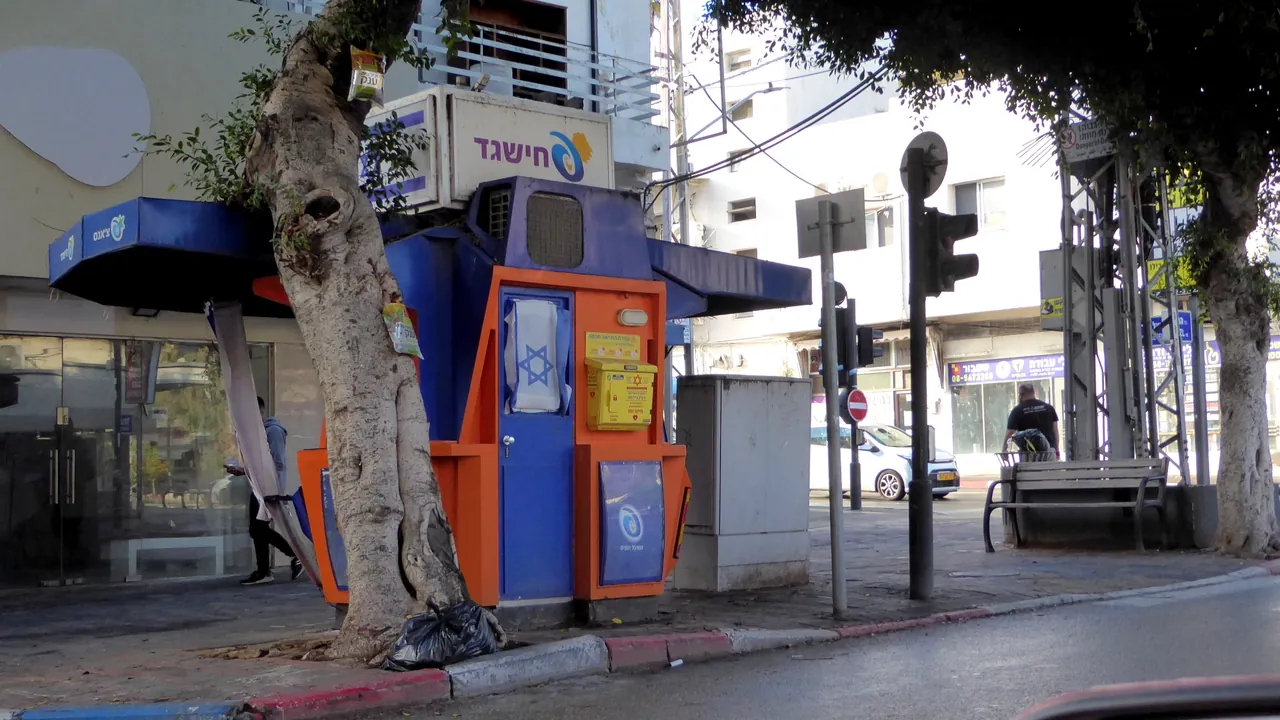
Two urban planning organizations have called on the Ministry of Finance to ban Mifal HaPayis lottery kiosks from sidewalks and public spaces ahead of the renewal of the lottery operator's operating permit on December 31. The Movement for Planning Activism and the Jerusalem Urban Coalition sent a letter to Ministry of Finance Director-General Israel Malachi, arguing that the kiosks occupy public land for free without proper building permits.
According to data provided under Freedom of Information requests, Mifal HaPayis operates approximately 600 kiosks nationwide, accounting for about a quarter of its 2,450 points of sale, alongside 1,750 private stores and 100 mall counters. The organizations noted that Mifal HaPayis generates over 10 billion shekels in tax-exempt annual revenues and questioned why it continues to receive free use of public infrastructure. Citing the operator's 2025 corporate report, the groups pointed out that the kiosk usage rights originated in 1951 as zero-cost land allocations, exempting them from municipal fees.
The letter asserts that most kiosks operate without proper urban zoning plans or business licenses, noting that private vendors would face swift removal under similar conditions. The groups attribute the lack of enforcement to an inherent conflict of interest, as Mifal HaPayis is controlled by the Federation of Local Authorities and funds local municipalities, creating a situation where the same authorities are responsible for regulatory oversight.
The organizations propose phasing out all public kiosks by the end of the next permit period through annual reduction targets, banning new placements, and preventing license transfers when operators retire. In response, Mifal HaPayis stated that its kiosks have been part of the Israeli urban landscape since 1951, currently numbering 539 units, and operate with municipal coordination and planning compliance. The operator emphasized that kiosk operations support some 850 families and that its profits are reinvested into public infrastructure, education, and welfare projects.