Art, Boundaries, and Identity at Israel's Midburn Desert Gathering
Midburn's recent gathering in the desert sparked intense debate over artistic freedom, commercialization, and boundaries as the temporary city of 9,000 participants navigates its evolution.
What remains of Midburn after the story disappears? Someone dismantled the hangman's noose. Not the entire art installation, just the specific element that made it so unsettling. Gil Burstein, a veteran artist in the burn community, set up a pirate art piece this year at Midburn titled "Hanging," featuring a rope alongside the inscription DIY. He knew it would spark controversy and even factored in that it might not survive the week. When a participant removed the rope, he was not surprised. From his perspective, the reaction itself was part of the narrative.
"I wanted to bring more extreme content that would spark a conversation about where the boundaries lie," he explains. "To push boundaries, you must first reach them and cross them." Burstein, 53, is convinced this minor incident reflects a broader trend regarding the direction of the event, which served as a laboratory for artistic freedom for years. The question of boundaries cannot be brushed aside easily, as an installation featuring a hangman's noose can certainly cause distress, and a sense of safety in a space shared by thousands is paramount. However, the question Burstein raises is much wider: what happens to artistic freedom as the event grows and expands?
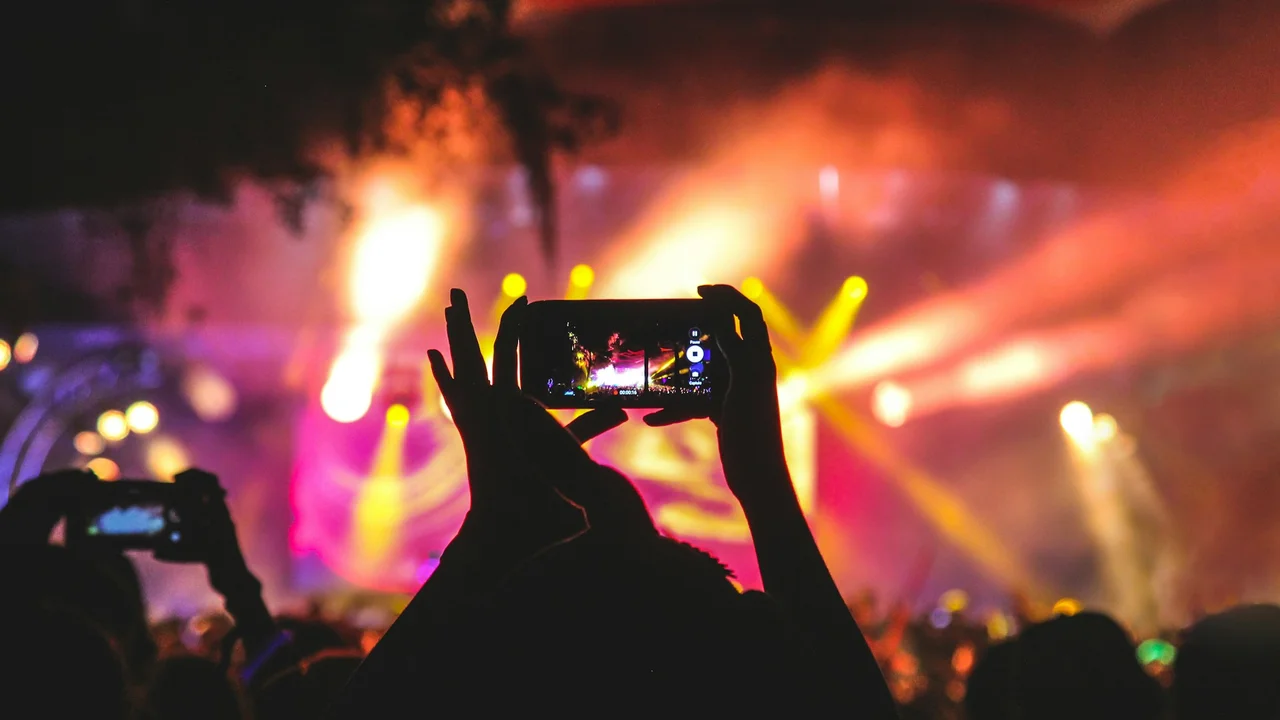
Last week, a temporary city of some 9,000 participants materialized at the foot of Mount Sedom for six days. It featured art installations, dance floors, theme camps, elaborate desert lighting, elaborate costumes, and kitchens. For a first-timer, it looks like a parallel universe, while for some veterans, this success raises concerns: does Midburn still offer an alternative to consumer culture, or is it becoming a coveted product within it?
To understand the conflict, one must look at the original promise. Midburn is inspired by the American Burning Man and is based on ten principles, including participation, gifting, and decommodification. The official website states simply: what you bring is what exists. Participants are not meant to be consumers buying a packaged entertainment deal, but active co-creators of a temporary city.
For Burstein, this tension is expressed primarily in artistic freedom. He first attended Burning Man in 2014 and has been creating installations ever since. This year, alongside "Hanging," he presented four other works, including "Depths," an iron diver representing a descent into the depths of the soul. "I love the freedom I have to do whatever I want without answering to an institutional gallery," he says. Yet this year, he felt that space shrinking. "As the event grows into a festival, the core idea of the burn gets diluted.
Building a Community of Strangers
Yaron Gal, 47, who leads the "Habakuk" camp with his wife Ronit, first attended in 2022. He arrived alone with a backpack and slept in basic conditions. "One of the beautiful things about the burn is that no one asks your age, profession, or background," he says. They later built a camp offering an open living room and hospitality, turning a community of strangers into a true neighborhood. For Yaron, the parties are not what Midburn is about—it is about human connection and self-reliance.
Despite the commercial pressures and the rise of tourism, the desert event continues to transform lives, offering rare spaces for authenticity, mutual aid, and profound human bonds that outlast the temporary city.