Israeli Study Highlights Heavy Ecological Cost of Bottom Trawling
A new study reveals that bottom trawling in Israel's Mediterranean waters captures hundreds of thousands of protected marine species annually, inflicting severe ecological damage despite stringent regulatory reforms.
Trawling remains one of the most destructive fishing methods in Israel's Mediterranean waters, accounting for less than one percent of national fish consumption while causing severe ecological damage. Despite sweeping regulatory reforms introduced in 2016 that closed roughly 50 percent of territorial waters to bottom trawling and imposed strict seasonal closures, the remaining active fleet of about 11 vessels continues to inflict heavy tolls on marine life and protected species.
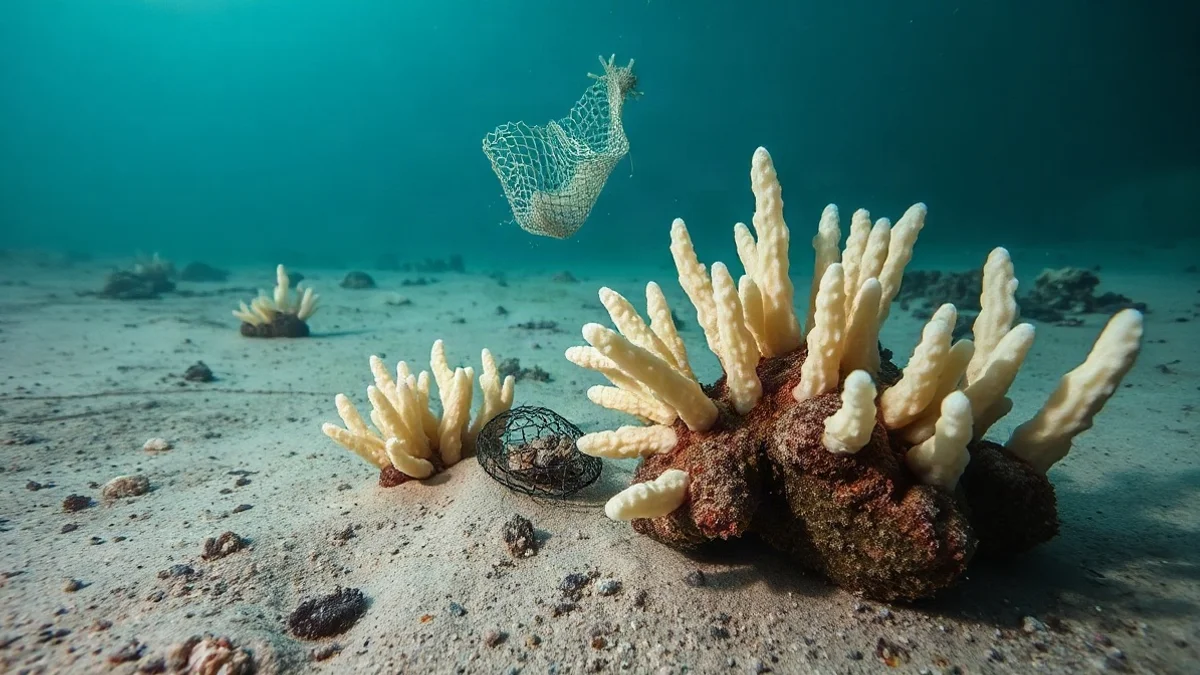
According to a recent Israeli study led by Dr. Ataret Shabtai, a Mediterranean ecologist at the Society for the Protection of Nature in Israel (SPNI), bottom trawling catches an average of 53.5 protected marine organisms per hour of dragging. The peak impact occurs at an 80-meter depth, where trawls capture an average of 147.7 protected specimens per hour. The primary victims at this depth are soft corals known as sea pens, classified as vulnerable by the International Union for Conservation of Nature (IUCN), alongside protected starfish and cartilaginous fish such as rays and sharks.
"Trawling is such a non-selective and destructive method that there is no way to ensure protected species are not caught or that the damage to them is negligible," Dr. Shabtai explains. "When conservationists and the state try to protect marine natural values while simultaneously granting permits for trawling in those exact areas, the two simply do not go together." The SPNI estimates that the Israeli trawl fleet catches over 400,000 protected specimens annually, with roughly 45 percent of all captured marine life consisting of non-commercial species discarded back into the sea injured or dead.
Beyond the direct loss of marine biodiversity, bottom trawling contributes significantly to carbon emissions by disturbing seabed sediments and damaging fragile benthic habitats that support entire marine ecosystems. European studies evaluating the cost-benefit balance of the industry have similarly concluded that the societal and environmental costs of trawling far outweigh its economic benefits.
Experts and environmental organizations emphasize that phasing out bottom trawling entirely represents a vital opportunity for ecological recovery without harming sustainable livelihoods. Removing heavy trawlers from territorial waters would protect critical seabed habitats, directly benefiting coastal and traditional fisheries that support a larger number of families while relying on a healthy marine environment. Proponents argue that well-managed aquaculture can serve as a viable alternative for food security, eliminating the severe collateral damage associated with dragging heavy metal plates and weighted nets across the seafloor.