Israeli Medical Supply Shortage Linked to Global Gaps and European Boycotts
A growing shortage of essential medications in Israeli hospitals and health funds is driven by global supply chains, local manufacturing cutbacks, and emerging European boycotts.

A severe shortage of essential medications is affecting hospitals and health maintenance organizations across Israel, driven by global supply chain disruptions and emerging economic boycotts. Avi Buskila, CEO of Sarael—a major medical procurement company owned by public hospital associations and supervised by the Ministry of Finance and the Ministry of Health—warned that the crisis extends far beyond pricing issues.
"I receive personal requests from patients who cannot find medications. There is a severe shortage, particularly in health funds and hospitals. The problem is not necessarily the price. There are signs of a boycott from countries like Portugal and Spain," Buskila stated, noting that Sarael manages an annual sales volume of 1.7 billion shekels and imports critical medical equipment, including school and clinic vaccinations.
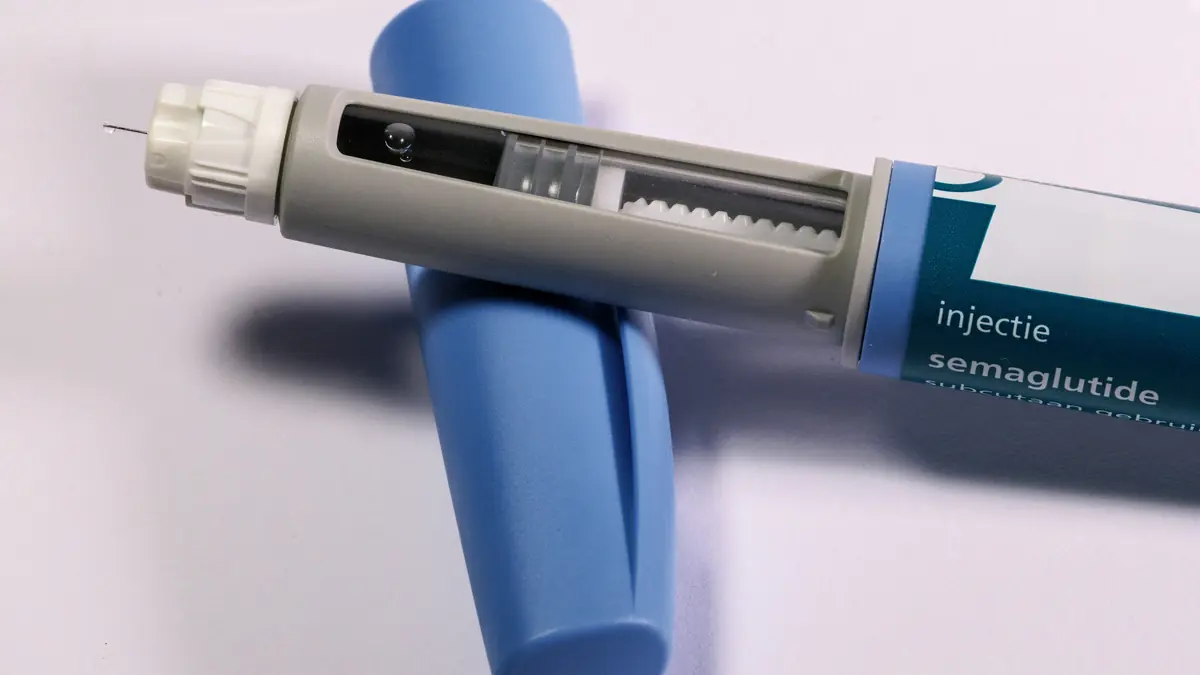
Local investigations indicate that the shortfall directly impacts asthma patients requiring breathing inhalers such as Ventolin, as well as individuals relying on routine maintenance medications for cholesterol and high blood pressure. In addition, seasonal influenza vaccines remain delayed, posing public health concerns as winter approaches. Buskila explained that while Sarael imports raw materials essential for generic drug manufacturing, global shortages persist alongside trade restrictions from suppliers in Spain and Portugal, forcing procurement teams to source alternative international vendors.
Contributing to the domestic crisis, leading local pharmaceutical manufacturers such as Tzamal, CTS, and Rafa have scaled back operations, with several prominent companies stepping away from the generic medication market altogether. To mitigate the shortages and stabilize medical inventories, Sarael is expanding its technological infrastructure. The company has initiated strategic artificial intelligence collaborations with the Galilee Medical Center in Nahariya and is set to launch a similar partnership with Ichilov Hospital to optimize clinical pharmacy management, improve supply forecasting, and identify alternative global suppliers.