Maradona Verdict Nears: Six Years of Medical and Legal Battles in Argentina
Six years after Diego Maradona's death, an Argentine court prepares to deliver verdicts for six medical professionals amid intense debate over negligence and home care conditions.
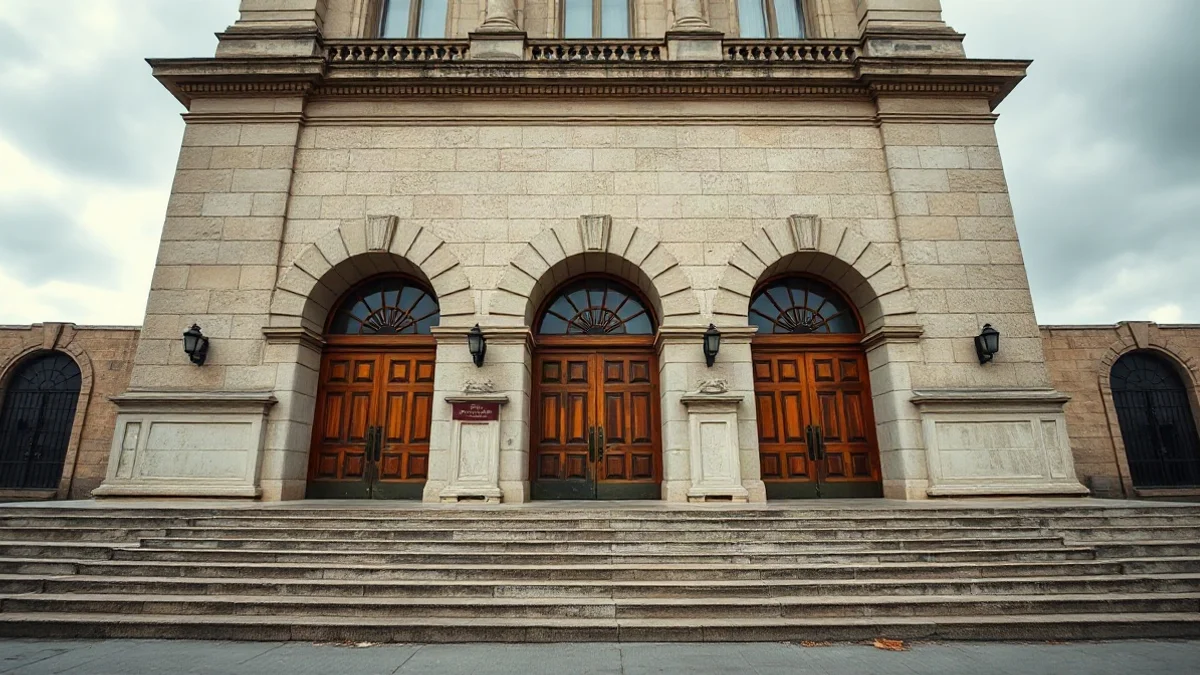
Six years after the passing of Diego Armando Maradona on November 25, 2020, Argentina continues to grapple with unresolved questions surrounding the football legend's final days. Maradona died at the age of 60 in a gated residential neighborhood in Tigre, on the outskirts of Buenos Aires, following weeks of recovery from brain surgery. While the autopsy officially determined the cause of death as acute pulmonary edema secondary to heart failure, the legal and medical debate over whether his death could have been prevented remains intense.
The Medical Controversy and Last Hours
Medical experts have presented conflicting accounts during the retrial proceedings. Forensic expert Carlos Cassinelli testified that Maradona's physical decline began at least ten days prior to his death, citing swollen extremities, elevated blood pressure, and tachycardia as clear indicators of heart failure that warranted immediate hospitalization or cardiological intervention. Conversely, defense cardiologists Ricardo Iglesias and Pablo Ferrari maintained that the death was an unforeseeable sudden cardiac event.
Testimony regarding the conditions of Maradona's home care revealed significant deficiencies. Juan Carlos Pinto, the physician who pronounced Maradona dead, noted the absence of essential emergency equipment such as a defibrillator, oxygen tank, and respirator. Furthermore, expert analysis suggested that the dying process may have lasted approximately 12 hours without proper monitoring or intervention, leaving unanswered questions about whether the football icon suffered in his final moments.
WhatsApp Messages and Family Divisions
Voice messages exchanged among Maradona's medical team shed light on growing concerns in the days leading up to his death. Physiotherapist Nicolas Taparel expressed alarm over severe swelling and urged daily medical visits, while neurosurgeon Leopoldo Luque dismissed the concerns by attributing the swelling to prolonged bed rest. Family members, including Gianinna Maradona, also reported alarming physical changes and vocal alterations to the medical staff.
Disagreements among Maradona's children further complicated the legal proceedings. While some family members sought accountability from psychologist Carlos Dias for recommending that they respect their father's personal space, others viewed the recommendation as part of an effort to isolate him. The varying legal demands reflect deep divisions regarding who bore ultimate responsibility for his supervision and care.
Judicial Scandal and Impending Verdict
The road to justice faced a major setback in May 2025 when the initial trial was annulled after it was revealed that one of the presiding judges, Julieta Makintach, was involved in producing an unauthorized documentary series about the case. Makintach was unanimously dismissed from her post and barred from judicial office in November 2025, forcing a retrial that commenced in April 2026.
On December 22, the court is scheduled to deliver its verdict concerning six remaining medical defendants facing charges ranging from homicide with eventual intent to criminal negligence:
- Leopoldo Luque, neurosurgeon: prosecution demands 12 years of imprisonment.
- Nancy Forlini, home care coordinator: prosecution demands 10 years of imprisonment.
- Agustina Cosachov, psychiatrist: prosecution demands 8 years of imprisonment.
- Carlos Dias, psychologist: prosecution demands 5 years of imprisonment.
- Mariano Perroni, nursing team coordinator: prosecution demands 4 years in imprisonment.
- Ricardo Almiron, nurse: prosecution demands 4 years in imprisonment.
As the verdict approaches, family members emphasize that beyond the legendary status, the number 10 shirt, and the global fame, Maradona was a father and grandfather who deserved the same standard of medical care and protection as any other patient.