Magritte's 'Castle of the Pyrenees' Returns to Israel Museum After Restoration
René Magritte's iconic painting 'The Castle of the Pyrenees' has returned to the Israel Museum in Jerusalem after a complex restoration following an accidental pinecone puncture by a child.
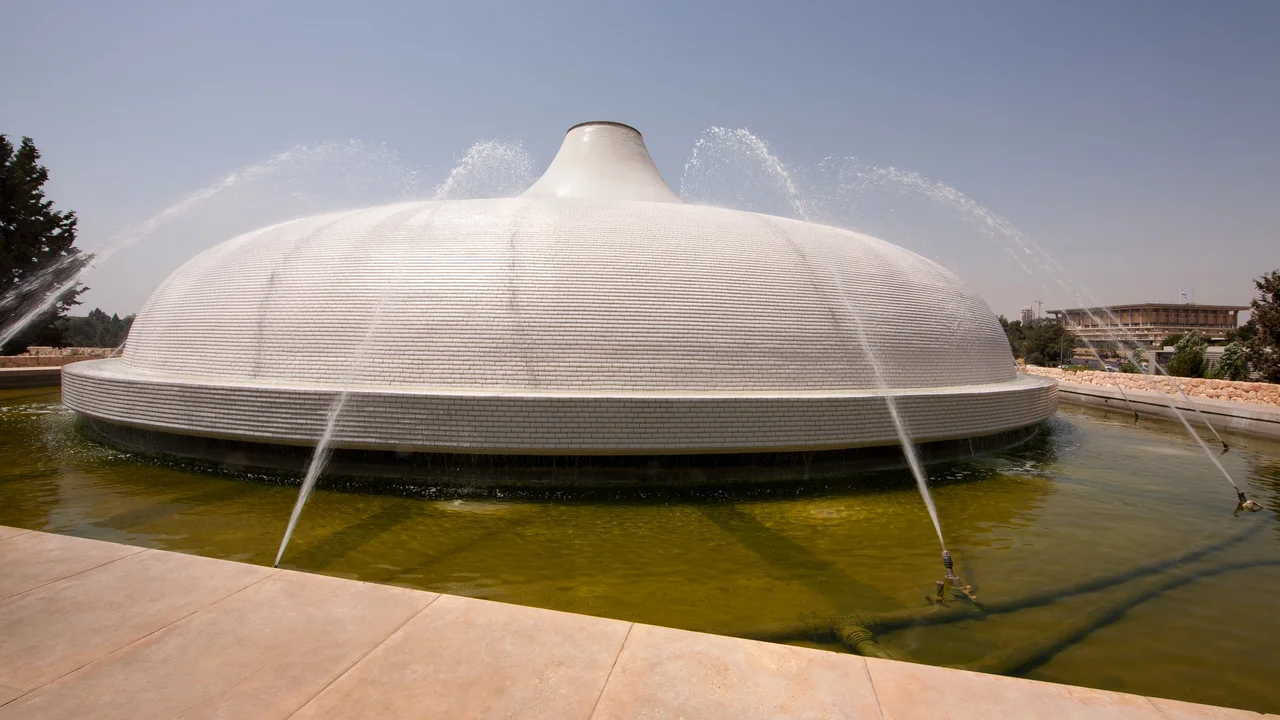
A single pinecone and a five-year-old child were enough to take down one of the most famous masterpieces at the Israel Museum in Jerusalem. Months after being accidentally damaged during a family visit, René Magritte's iconic painting "The Castle of the Pyrenees" has returned to display following a complex restoration process to repair the canvas and paint layers.
The incident took place in the spring of 2026, when a young visitor approached the canvas holding a pinecone he had picked up on the museum grounds. The pinecone punctured the fabric, leaving a one-centimeter tear. Museum officials immediately removed the artwork from exhibition and transferred it to the conservation laboratory, where Clara Karlova, head of painting conservation, and Sharon Tager, director of conservation, meticulously rewoven the canvas fibers and restored the damaged paint.
The mishap drew international attention, leading to an unexpected gesture from an anonymous Belgian art collector. Touched by the incident, the collector offered to loan the Israel Museum a rare 1962 painting by Magritte featuring a smaller version of the floating castle, covering all transport and related expenses so visitors could still enjoy the artist's work during the restoration period.
Painted in 1959, "The Castle of the Pyrenees" depicts a massive stone castle hovering over a turbulent sea. The surrealist work originated from a request by Harry Torczyner, a New York-based Jewish attorney, art collector, and close friend of Magritte, who disliked the view from his office window and asked the artist to create an imaginative alternative.
Torczyner donated the painting to the Israel Museum in 1985 to mark its 20th anniversary. Now, more than four decades after finding a permanent home in Jerusalem and following its unexpected encounter with a pinecone, the floating rock has triumphantly returned to its place in the modern art galleries.